TN
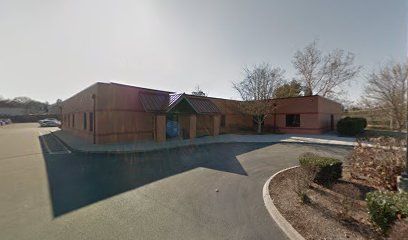
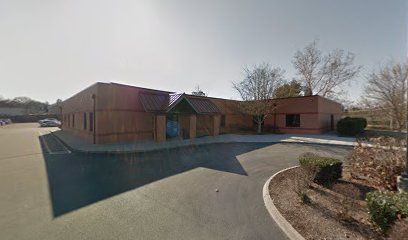
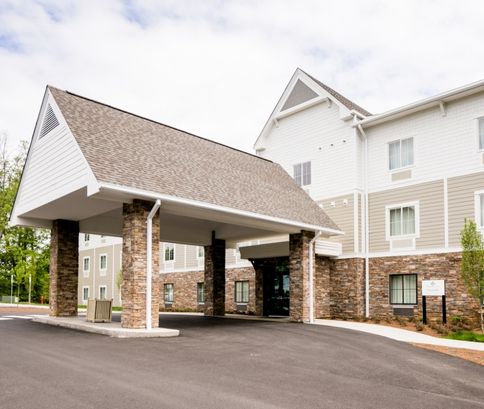
Provive Wellness, TN
Brentwood, TN
- PHP
- IOP
Substance Use Disorder, Mental Health, Co Occurring · """Provive Wellness Is A Leading Provider Of Mental Health And Substance Use Programming. Through Personalized Treatment And A Comprehensive Support System, We Foster A Healing And Transformative Environment For People On The Path To Recovery Through: 1. Evidence Based Treatment (Motivational Interviewing, Cognitive Behavioral Therapy, Dialectical Behavioral Therapy, Emdr) 2. Family Therapy 3. Relapse Prevention 4. Trauma Informed Care 5. Relapse Prevention 6. Medication Management 7. Medication Assisted Treatment (Mat)""" · Trauma Programming And Yoga
Accepts: Accept Most Commercial Insurances & Self Pay Options.