TN
Summit at Harmony Oaks
Newport, TN
- Detox
Substance Abuse/Mental Health · Dual Diagnosis
Accepts: Insurance/Private Pay


Find a free or private addiction rehab center in Tennessee. Use our search-by-city tool to find recovery near you.
Newport, TN
Substance Abuse/Mental Health · Dual Diagnosis
Accepts: Insurance/Private Pay
Murfreesboro, TN
Substance Abuse W/Co Occuring · Private Luxury · Trauma, Cbt,Dbt, 12 Step Life Skills
Accepts: Military And Veterans, Ppo Insurances
Brentwood, TN
Substance Use Disorder, Mental Health, Co Occurring · """Provive Wellness Is A Leading Provider Of Mental Health And Substance Use Programming. Through Personalized Treatment And A Comprehensive Support System, We Foster A Healing And Transformative Environment For People On The Path To Recovery Through: 1. Evidence Based Treatment (Motivational Interviewing, Cognitive Behavioral Therapy, Dialectical Behavioral Therapy, Emdr) 2. Family Therapy 3. Relapse Prevention 4. Trauma Informed Care 5. Relapse Prevention 6. Medication Management 7. Medication Assisted Treatment (Mat)""" · Trauma Programming And Yoga
Accepts: Accept Most Commercial Insurances & Self Pay Options.
292 centers found (21–40)

Burns, TN
Substance use treatment · Accepts clients on opioid medication but prescribed elsewhere · SAMHSA-certified Opioid Treatment Program
Accepts: Cash or self-payment, Medicaid, Private health insurance

Johnson City, TN
Substance use treatment · Cognitive behavioral therapy · Dialectical behavior therapy
Accepts: Cash or self-payment, Medicaid, State-financed health insurance plan other than Medicaid

Nashville, TN
Substance use treatment · Accepts clients on opioid medication but prescribed elsewhere · Cognitive behavioral therapy
Accepts: Cash or self-payment, Medicaid, Private health insurance

Brentwood, TN
Substance use treatment · Accepts clients on opioid medication but prescribed elsewhere · Cognitive behavioral therapy
Accepts: Cash or self-payment, Private health insurance
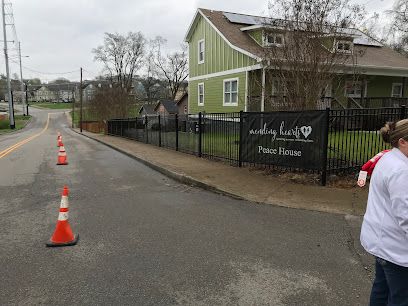
Nashville, TN
Substance use treatment · Cognitive behavioral therapy · Dialectical behavior therapy
Accepts: Cash or self-payment, Medicaid, State-financed health insurance plan other than Medicaid

Murfreesboro, TN
Substance use treatment · Cognitive behavioral therapy · Dialectical behavior therapy
Accepts: Cash or self-payment, Private health insurance, Military insurance
Cookeville, TN
Substance use treatment · Accepts clients on opioid medication but prescribed elsewhere · Cognitive behavioral therapy
Accepts: Cash or self-payment, Medicaid, Medicare
Dickson, TN
Substance use treatment · Accepts clients on opioid medication but prescribed elsewhere · Cognitive behavioral therapy
Accepts: Cash or self-payment, Medicaid, Private health insurance
Johnson City, TN
Substance use treatment · Cognitive behavioral therapy · Dialectical behavior therapy
Accepts: Cash or self-payment, Medicaid, Medicare
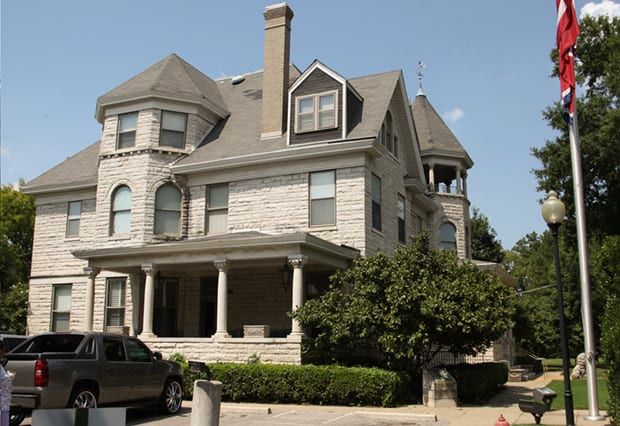
Memphis, TN
Substance use treatment · Accepts clients on opioid medication but prescribed elsewhere · Cognitive behavioral therapy
Accepts: Cash or self-payment, Medicaid, State-financed health insurance plan other than Medicaid

Chattanooga, TN
Substance use treatment · Cognitive behavioral therapy · Dialectical behavior therapy
Accepts: Cash or self-payment, Medicaid, Medicare

Nashville, TN
Substance use treatment · Cognitive behavioral therapy · Dialectical behavior therapy
Accepts: Cash or self-payment, Private health insurance, Military insurance

Memphis, TN
Substance use treatment · Accepts clients on opioid medication but prescribed elsewhere · Cognitive behavioral therapy
Accepts: Cash or self-payment, Medicaid, State-financed health insurance plan other than Medicaid
Memphis, TN
Substance use treatment · Accepts clients on opioid medication but prescribed elsewhere · Cognitive behavioral therapy
Accepts: Cash or self-payment, Medicaid, Sliding fee scale
Kingsport, TN
Substance use treatment · Cognitive behavioral therapy · Substance abuse counseling
Accepts: Cash or self-payment, Medicaid, Medicare
Oliver Springs, TN
Substance use treatment · Accepts clients on opioid medication but prescribed elsewhere · Cognitive behavioral therapy
Accepts: Cash or self-payment, Medicaid, Private health insurance
Johnson City, TN
Substance use treatment · Cognitive behavioral therapy · Substance abuse counseling
Accepts: Cash or self-payment, Medicaid, Private health insurance
Memphis, TN
Substance use treatment · Accepts clients on opioid medication but prescribed elsewhere · Cognitive behavioral therapy
Accepts: Cash or self-payment, Medicaid, State-financed health insurance plan other than Medicaid
Memphis, TN
Substance use treatment · Accepts clients on opioid medication but prescribed elsewhere · Cognitive behavioral therapy
Accepts: Cash or self-payment, Medicaid, State-financed health insurance plan other than Medicaid

Murfreesboro, TN
Substance use treatment · Accepts clients on opioid medication but prescribed elsewhere · Cognitive behavioral therapy
Accepts: Cash or self-payment, Medicaid, State-financed health insurance plan other than Medicaid
Our sponsored hotline can help you compare treatment options and next steps.
Tennessee stretches across three distinct Grand Divisions — the Appalachian ridges of East Tennessee, the rolling farmland of the middle around Nashville, and the Mississippi Delta flatlands near Memphis — and addiction treatment access looks noticeably different in each. The eastern counties bordering Kentucky and Virginia sit inside the Appalachian region that has long carried some of the country's heaviest drug-overdose burdens (Appalachian Regional Commission), while the urban corridors of Memphis, Nashville, and Knoxville concentrate most of the state's specialized and higher-acuity care. Tennessee also stands apart on policy. It is one of the states that did not expand Medicaid under the Affordable Care Act, and its public program, TennCare, has long operated under a federal Section 1115 demonstration waiver (KFF). That single decision shapes who can afford treatment, which facilities they can walk into, and where the coverage gaps fall hardest. For you or your loved one, the practical takeaway is that the right starting point depends heavily on which part of the state you're in and what kind of coverage you carry. The 292 centers listed here span all three divisions, from big-city hospital systems to small rural clinics.
Sober Nation currently lists 292 treatment centers across Tennessee, and they cluster where the population and hospital systems do. Memphis leads with 32 listed centers, followed by Nashville with 24, Knoxville with 21, and Chattanooga with 18. Smaller but meaningful hubs include Johnson City, with 13, in the northeast, Jackson, with 10, in the west, and Murfreesboro, with 8, just southeast of Nashville. A handful of rural towns punch well above their size — Hohenwald lists 6 centers, while Morristown and Kingsport each list 5 — which matters a great deal if you're trying to stay close to home in a less populated county.
Statewide, the mix leans heavily toward lower-intensity care: 90% of listed centers offer outpatient services and 92% provide some form of aftercare, while 53% offer medication-assisted treatment. Fewer facilities run the most intensive end of the spectrum — 25% offer residential beds and just 22% offer medically supervised detox. For context, an estimated 16.1% of Tennesseans aged 12 or older — roughly 964,000 people — met the criteria for a substance use disorder in the past year, yet about 72% of those who needed substance use treatment did not receive it (2022–2023 National Survey on Drug Use and Health). Overdose mortality is tracked separately: Tennessee's age-adjusted drug-overdose death rate was 35.2 per 100,000 in 2024, and statewide overdose deaths fell in 2023 for the first time since the state began tracking them in 2013 (CDC WONDER via KFF; Tennessee Department of Health).
The level-of-care mix among Tennessee's listed centers tells you where to realistically begin. Detox, offered by 22%, is the medically supervised first step for anyone physically dependent on alcohol, opioids, or benzodiazepines — it manages withdrawal safely, but on its own it is stabilization, not treatment. Residential care, available at 25%, provides around-the-clock structure and removes you from the environment tied to your use, which some people need before any other work can stick. Outpatient programs, offered by the large majority at 90%, let you live at home while attending scheduled counseling and group sessions — the most flexible option and usually the most affordable, ranging from standard weekly visits to intensive day programs. Medication-assisted treatment, at 53%, pairs FDA-approved medications such as buprenorphine, methadone, or naltrexone with counseling, and is considered the clinical standard of care for opioid use disorder. Aftercare, offered by 92%, covers the ongoing support — alumni groups, recovery coaching, sober-living referrals, and relapse-prevention planning — that follows a formal program. Because many Tennesseans entering treatment also live with depression, anxiety, or trauma, ask whether a program treats co-occurring mental health conditions alongside substance use. Most people don't pick a single level; they move through several, stepping down in intensity as recovery stabilizes.
Coverage is often the single deciding factor in where treatment begins. Among Tennessee's listed centers, 73% accept Medicaid — which operates here as TennCare — and 38% accept Medicare, so a clear majority of facilities work with public insurance of some kind. That breadth matters, but so does a policy quirk: Tennessee did not expand Medicaid under the Affordable Care Act, which leaves some low-income adults without the public coverage pathway they would have in a neighboring expansion state (KFF). Federal parity law requires most private and marketplace plans to cover substance use treatment on terms comparable to other medical care, so if you carry commercial insurance, don't assume rehab is excluded (federal Mental Health Parity and Addiction Equity Act; Centers for Medicare & Medicaid Services). If you're uninsured or underinsured, ask facilities directly about sliding-scale fees, state-funded treatment slots, and grant-funded programs administered through the state's substance abuse agency (Tennessee Department of Mental Health & Substance Abuse Services). Do your research and ask pointed questions about total cost — deductibles, length-of-stay limits, and what happens after coverage runs out — before you commit. Verbal quotes and final bills don't always match, and you are your own best advocate here.
A few Tennessee-specific starting points can help you find care or immediate support. The Tennessee Department of Mental Health & Substance Abuse Services is the state's SAMHSA-designated Single State Agency for substance abuse — it funds treatment slots, licenses providers, and runs statewide prevention and peer-support programs. NAMI Tennessee, the state organization of the National Alliance on Mental Illness, offers free support groups, family education classes, and a statewide HelpLine for mental health and co-occurring conditions. Many Tennessee counties are also served by Regional Overdose Prevention Specialists, who distribute naloxone and connect people to treatment. And if you or someone you love is in crisis right now, the 988 Suicide & Crisis Lifeline connects you with trained counselors 24 hours a day by call or text — it handles substance use and emotional-distress calls, not only suicidal ones. Save that number in your phone before you ever need it.