21 Drug & Alcohol Rehabs In Knoxville, TN

Find drug and alcohol rehab centers in Knoxville, TN and start your recovery today.

Drug and alcohol rehab centers in Knoxville, TN

21 centers found (1–20)

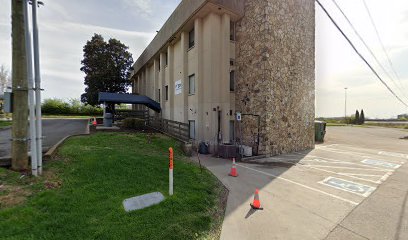
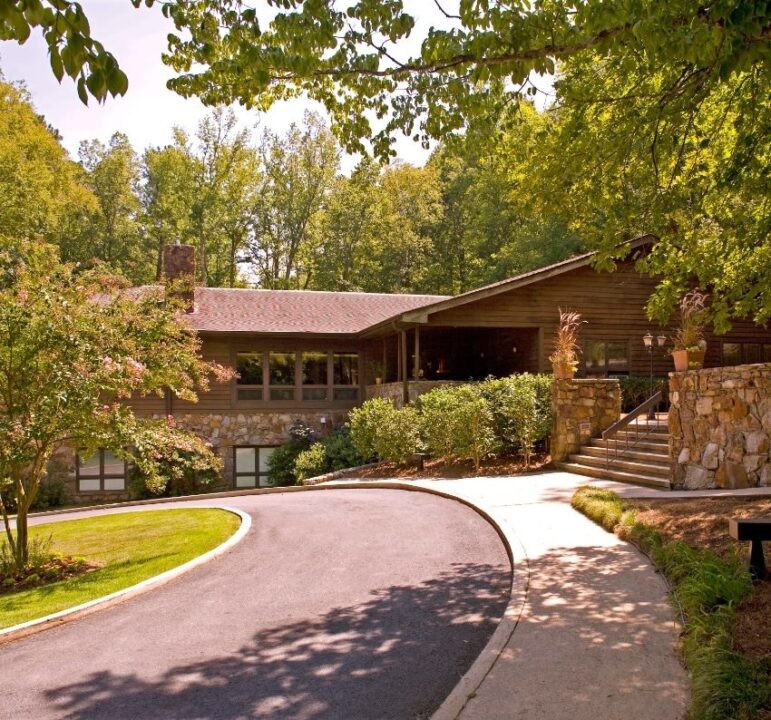
JourneyPure Knoxville facility photo6.4 mi

JourneyPure Knoxville

Knoxville, TN

  • Detox
  • Residential
  • PHP
  • IOP

Substance use treatment · Cognitive behavioral therapy · Dialectical behavior therapy

Accepts: Cash or self-payment, Medicaid, State-financed health insurance plan other than Medicaid

6.4 mi
4.7 mi

JourneyPure Womens Center

Knoxville, TN

  • Detox
  • Residential
  • PHP
  • IOP

Substance use treatment · Cognitive behavioral therapy · Dialectical behavior therapy

Accepts: Cash or self-payment, Medicaid, State-financed health insurance plan other than Medicaid

4.7 mi
1.7 mi
1.7 mi
2 mi
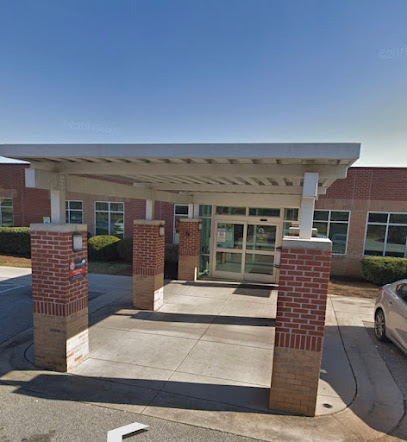
EM Jellinek Center facility photo3.2 mi

EM Jellinek Center

Knoxville, TN

  • Residential
  • Sober Living

Substance use treatment · Does not use medication for opioid addiction · Accepts clients on opioid medication but prescribed elsewhere

Accepts: Cash or self-payment, Payment assistance, Active duty military

3.2 mi
2.3 mi
2.6 mi
4.4 mi
2.9 mi
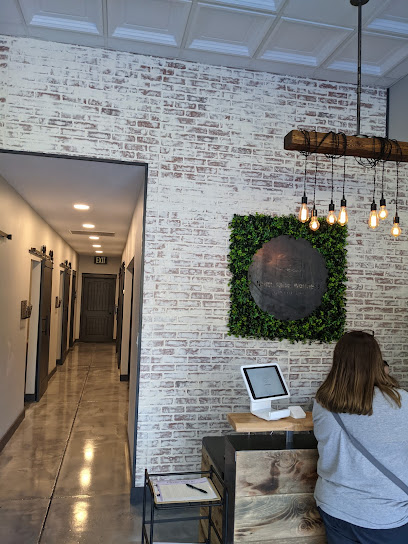
Bradford Health Services facility photo5.2 mi

Bradford Health Services

Knoxville, TN

  • PHP
  • IOP
  • MAT

Substance use treatment · Accepts clients on opioid medication but prescribed elsewhere · Cognitive behavioral therapy

Accepts: Cash or self-payment, Medicaid, Private health insurance

5.2 mi
2.9 mi
3.2 mi
3 mi
4.7 mi
2.3 mi
4.3 mi
2.4 mi
4.7 mi
4.7 mi

Do you need help finding rehab in Knoxville, TN?

Call our sponsored hotline to speak with someone about treatment options near you.

Sober Nation lists 21 treatment centers in Knoxville, the anchor of addiction care in East Tennessee. Knoxville sits in the Tennessee Valley, cradled in the foothills of the Appalachian Mountains, at the point where the Holston and French Broad rivers join to form the Tennessee River as it winds past downtown. To the southeast rise the Great Smoky Mountains, and Interstates 40 and 75 cross here, which makes the city a natural hub for care: people drive in from across the surrounding valley, the Cumberland Plateau, and the mountain counties along the North Carolina line. Home to the University of Tennessee and the seat of Knox County, Knoxville draws people seeking help from across the eastern third of the state. This page is a plain guide to what those 21 listed programs actually offer — the levels of care available, the ways people pay for treatment, and where to look if the right fit sits down the highway. Every number below comes straight from our own directory.

Levels of Care in Knoxville

All 21 listed Knoxville centers offer substance use treatment, substance abuse counseling, individual counseling, and discharge planning — the shared backbone of care across the city. All 21 also provide screening for substance use, the intake step that matches you to the right level of care.

The clinical services behind that care are consistent from door to door. 20 centers offer group counseling, 20 provide motivational interviewing, and 20 offer substance use education, while 17 provide cognitive behavioral therapy (CBT) and 18 offer trauma-related counseling. Support is built to continue past the first phase: all 21 handle discharge planning, 18 offer aftercare/continuing care, and 19 provide case management. 19 centers also list relapse prevention, and 17 offer family counseling — useful when recovery involves the people you live with.

Outpatient care leads the way here, offered at 19 centers, meaning you attend scheduled sessions while continuing to live at home; 18 specifically list regular outpatient treatment. On program setting, 19 centers serve all genders, while 1 is women-only and 1 is men-only — worth knowing if a gender-specific environment matters to your recovery. Our Knoxville listings do not flag medically supervised detox, residential or inpatient care, or medication-assisted treatment (MAT) as a standard offering, so if you need one of those, confirm it directly with the listing before you call rather than assuming. For how these levels of care fit together statewide, see our Tennessee rehab guide.


Paying for Rehab in Knoxville

Cost is usually the first real question, and the Knoxville listings point to a few clear paths. 20 of the 21 centers accept cash or self-payment, and 20 report a relationship with the state mental health department, which can open the door to state-funded or reduced-cost care for people who qualify. If money is the obstacle, ask each program directly about self-pay rates, sliding-scale fees tied to income, and payment plans — many clinics will walk you through the options over the phone before you ever come in.

18 centers accept Medicaid, but Medicaid works differently in Tennessee than in many states. Tennessee runs its Medicaid program as TennCare, and the state did not expand Medicaid under the Affordable Care Act, so eligibility is narrower than in expansion states — coverage generally reaches specific groups such as low-income children, pregnant women, and certain adults rather than all low-income adults. Whether a specific service is covered depends on your plan and the center, so confirm in-network status and benefits before your first visit. For how TennCare works, along with other statewide programs and eligibility details, see our Tennessee rehab guide rather than guessing, since those rules change over time.

Traveling for Treatment and Nearby Options

Sometimes the right program is not in Knoxville. A bed opens sooner elsewhere, a specialized track fits better, or a little distance from familiar surroundings helps in early recovery. Because Knoxville sits in the eastern corner of Tennessee, the interstates fan out to well-stocked neighbors. Southwest down I-75 lies Chattanooga (18 centers), and up the valley toward the Tri-Cities sits Johnson City (13). Farther west along I-40 you reach Middle Tennessee's hubs, Nashville (24 centers) and Murfreesboro (7), and across the state in the far southwest are Jackson (10) and Memphis (32), the largest set in Tennessee. Many Knoxville programs also offer telehealth counseling, which can bridge the gap while you wait for an in-person spot or if travel is hard. To browse every option statewide, start with our Tennessee rehab guide.

Frequently Asked Questions

How many rehabs are in Knoxville?

Sober Nation lists 21 treatment centers in Knoxville, the largest set in East Tennessee. All 21 offer substance use treatment, counseling, screening, and discharge planning; 19 provide outpatient care; and the clinical basics are consistent: individual and group counseling, motivational interviewing, CBT, relapse prevention, and aftercare. 19 serve all genders, 1 is women-only, and 1 is men-only.

Does TennCare cover rehab in Knoxville?

Sometimes. Tennessee runs its Medicaid program as TennCare, but unlike many states it did not expand Medicaid, so eligibility is narrower than in expansion states. Whether a specific service is covered depends on your plan and the center, so confirm directly before starting. For context, 18 of our 21 Knoxville centers accept Medicaid, 20 accept cash or self-payment, and 20 work with the state mental health department. For how TennCare works, see our Tennessee rehab guide.

What if I need detox or inpatient care in Knoxville?

Our Knoxville listings lean toward outpatient care and do not flag medically supervised detox, residential or inpatient treatment, or medication-assisted treatment as a standard offering, so confirm those services directly with a listing before you call. Nearby cities such as Chattanooga (18 centers) and Nashville (24) can widen your options. If you or someone you love is in immediate crisis, call or text 988 for free, confidential support any time.

Sources

  1. 1.Tennessee Medicaid (TennCare), non-expansion status, statewide context, and state treatment programs /rehab/tennessee
  2. 2.Find licensed, SAMHSA-verified treatment nationwide https://findtreatment.gov/
  3. 3.988 Suicide & Crisis Lifeline — free, confidential, 24/7 support https://988lifeline.org/