219 Drug & Alcohol Rehabs In Oregon

Find a free or private addiction rehab center in Oregon. Use our search-by-city tool to find recovery near you.

Drug and alcohol rehab centers in Oregon

219 centers found (21–40)

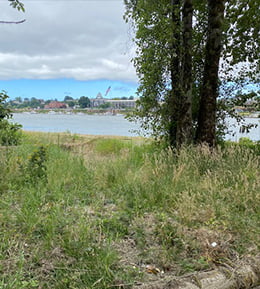
Hazelden Betty Ford Foundation facility photo

Hazelden Betty Ford Foundation

Newberg, OR

  • Detox
  • Residential
  • PHP
  • Outpatient

Substance use treatment · Cognitive behavioral therapy · Dialectical behavior therapy

Accepts: Cash or self-payment, Private health insurance, Military insurance

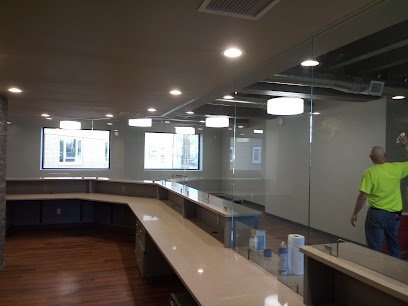
Recovery Works NW LLC facility photo

Recovery Works NW LLC

Portland, OR

  • Outpatient
  • MAT

Substance use treatment · Cognitive behavioral therapy · Dialectical behavior therapy

Accepts: Cash or self-payment, Medicaid, Medicare

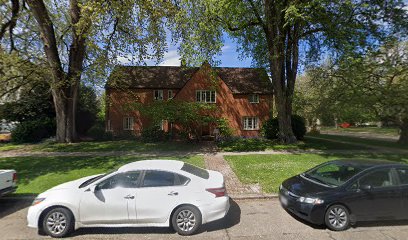
ADAPT OTP Program facility photo

ADAPT OTP Program

Roseburg, OR

  • Detox
  • Outpatient
  • MAT

Substance use treatment · All Clients in Opioid Treatment Program · SAMHSA-certified Opioid Treatment Program

Accepts: Cash or self-payment, Medicaid, Medicare

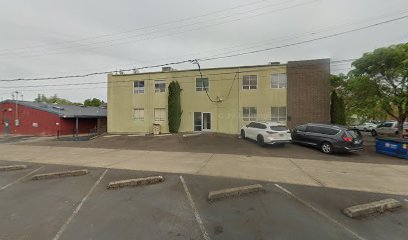
Awakenings by the Sea facility photo

Awakenings by the Sea

Seaside, OR

  • Detox
  • Residential
  • PHP
  • IOP

Substance use treatment · Cognitive behavioral therapy · Dialectical behavior therapy

Accepts: Cash or self-payment, Private health insurance

BestCare Treatment Services

Bend, OR

  • Outpatient
  • MAT
  • Sober Living

Substance use treatment · Cognitive behavioral therapy · Dialectical behavior therapy

Accepts: Cash or self-payment, Medicaid, Private health insurance

Acme Counseling facility photo

Acme Counseling

Corvallis, OR

  • PHP
  • IOP

Substance use treatment · Does not use medication for opioid addiction · Accepts clients on opioid medication but prescribed elsewhere

Accepts: Cash or self-payment, Medicaid, State-financed health insurance plan other than Medicaid

Grants Pass Treatment Center

Grants Pass, OR

  • Outpatient
  • MAT

Substance use treatment · All Clients in Opioid Treatment Program · SAMHSA-certified Opioid Treatment Program

Accepts: Cash or self-payment, Medicaid, Private health insurance

Find Oregon Rehabs By City

All 101 Oregon Cities With Rehab Listings

Do you need help finding rehab in Oregon?

Our sponsored hotline can help you compare treatment options and next steps.

Oregon occupies a singular place in American drug policy. In November 2020, voters passed Measure 110, making Oregon the first state to decriminalize possession of small amounts of drugs and redirect cannabis tax revenue toward addiction services — a framework the legislature substantially revised in 2024 under House Bill 4002, which restored criminal penalties for possession (effective September 1, 2024) while preserving much of that expanded treatment funding. That rapid back-and-forth still shapes where and how care is delivered across the state.

If you or a loved one is looking for help here, the practical reality is a treatment system absorbing fast change. Services cluster along the Interstate 5 corridor — Portland, Salem, Eugene, Medford — while much of eastern and coastal Oregon stays rural, where the nearest residential bed can be a multi-hour drive. Oregon also extended Medicaid coverage broadly through the Oregon Health Plan, and its coordinated care organizations (CCOs) administer most behavioral health benefits region by region. Understanding that structure matters, because it often determines which doors are open to you before you ever place a call. What follows is a grounded look at what Oregon actually offers — the numbers, the levels of care, and how people here pay for it.

Rehab Statistics in Oregon

Sober Nation lists 219 treatment centers across Oregon, and they are far from evenly spread. Portland alone accounts for 49 of them, followed by Eugene with 17 and Salem with 12 — meaning the three largest metro areas together hold well over a third of the state's listed programs. Smaller regional hubs fill in much of the rest: Roseburg (8), Medford and Pendleton (7 each), Corvallis (6), and Bend, Grants Pass, and Klamath Falls (5 each). For someone living in a rural county, that concentration is often the entire story — the closest realistic option may sit in one of these cities rather than in your own town, and planning around that travel is part of planning for treatment itself. It also means demand in the Portland metro can strain the very programs that look most abundant on a map.

Statewide prevalence adds important context. An estimated 21.6% of Oregon residents aged 12 or older — more than one in five — had a substance use disorder in the past year (2022–2023 National Survey on Drug Use and Health). Oregon's overdose crisis, meanwhile, may be turning a corner: drug overdose deaths climbed to a record 1,833 in 2023 but then fell roughly 16% to 1,544 in 2024, the state's first year-over-year decline since 2016 (Oregon Health Authority). Just as telling, the gap between the number of people who need treatment and the number who actually receive it remains wide — an estimated 74% of Oregonians who needed substance use treatment did not receive it (2022–2023 National Survey on Drug Use and Health). Those figures are why knowing exactly what exists — and precisely where — matters so much when time and options are limited.

Levels of Care Available in Oregon

Not every center offers every level of care, and Oregon's mix points clearly toward where most treatment happens. Outpatient care is nearly universal — 87% of listed centers provide it — so most people here begin with scheduled visits while continuing to live at home, work, or care for family. Aftercare is even more common at 91%, a sign that ongoing recovery support is treated as a continuing part of care rather than a single, finite episode. Medication-assisted treatment, or MAT, which pairs FDA-approved medications like buprenorphine, methadone, or naltrexone with counseling for opioid and alcohol use disorders, is available at 41% of centers.

The more intensive levels are noticeably scarcer. Only 18% of listed centers offer medical detox, the supervised management of withdrawal, and just 17% provide residential — that is, live-in — care. If you or your loved one is likely to need medically supervised withdrawal or a residential bed, that narrower supply is worth confirming early in the process. Availability, not only clinical fit, can determine where you are actually able to start, and a bed that fits your needs may require a wait or some travel. Whatever level you begin at, most Oregon programs are built to step you up or down in intensity as your needs change over time.


Paying for Rehab in Oregon

How you pay often decides where you can go. Among Oregon's listed centers, 90% accept Medicaid and 36% accept Medicare — an unusually high Medicaid acceptance rate that reflects how central the Oregon Health Plan is to behavioral health care in this state. Because Oregon expanded Medicaid eligibility under the Affordable Care Act in 2014 — extending the Oregon Health Plan to adults earning up to 138% of the federal poverty level — many adults who would be uninsured in other states qualify for coverage that includes substance use treatment across several levels of care. Federal mental health parity law generally requires health plans that cover addiction treatment to do so on terms no more restrictive than other medical care, and the Affordable Care Act makes substance use and mental health treatment an essential health benefit that most individual and small-group plans must cover — though what any specific plan actually pays for still varies plan to plan.

If you carry private insurance, call the number on your card and ask which levels of care are covered and which local centers are in-network before you commit to anything. If you are uninsured, don't assume the door is closed: ask centers directly about help enrolling in the Oregon Health Plan, sliding-scale fees based on income, or state-funded treatment slots. A center's intake staff can usually walk you through these options at no cost. Cost should never be the reason you don't ask; in Oregon, more paths to coverage exist than many people expect.

State Resources & Substance Abuse Organizations

A few trustworthy starting points can help you weigh options without a sales pitch. The Oregon Health Authority (OHA) is the state's behavioral health agency; its Behavioral Health Division oversees provider licensing and standards and funds much of the publicly funded substance use treatment available statewide. For families trying to understand co-occurring mental health and substance use conditions, NAMI Oregon — the state chapter of the National Alliance on Mental Illness — provides free education, peer and family support groups, and a helpline staffed by people who have been through it. And if you or someone you love is in immediate crisis, the 988 Suicide and Crisis Lifeline connects you with trained counselors 24 hours a day, seven days a week, by phone or text to 988.

None of these resources will push you toward a particular facility. They exist to help you find legitimate, vetted care — and to make the first call less overwhelming. Keep their numbers somewhere you can find them again, even if today is only about gathering information. Do your research, ask questions, and remember that you are your own best advocate.

Frequently Asked Questions

Did Oregon's Measure 110 change how I get into treatment?
Measure 110 redirected funding toward treatment and, for a time, decriminalized small-amount drug possession before House Bill 4002 restored some criminal penalties in 2024. The practical takeaway for you is that expanded treatment funding largely remains, but access still depends on where you live and what your insurance or the Oregon Health Plan will cover.
What if the nearest treatment center is hours away?
In much of eastern and coastal Oregon, the closest residential program may be in Bend, Medford, or another regional hub. Many centers now offer telehealth outpatient sessions and MAT check-ins, which can help bridge the distance. Ask whether virtual visits are an option and whether the program assists with transportation or temporary housing.
Will the Oregon Health Plan cover my treatment?
Most listed Oregon centers accept Medicaid, and the Oregon Health Plan generally covers substance use treatment across several levels of care. Because benefits run through coordinated care organizations, your exact coverage depends on your CCO. Call both the center and your CCO to confirm which services are approved before you commit.

Sources

  1. 1.Oregon substance use prevalence — an estimated 21.6% of residents aged 12 or older had a past-year substance use disorder (2022–2023 NSDUH average, Table 86B) https://www.samhsa.gov/data/sites/default/files/reports/rpt56188/2023-nsduh-sae-state-tables_0/2023-nsduh-sae-state-tabs-oregon.pdf
  2. 2.Oregon drug overdose deaths rose to a record 1,833 in 2023, then fell about 16% to 1,544 in 2024 — the first year-over-year decline since 2016 (Oregon Health Authority) https://www.oregon.gov/oha/ERD/Pages/Oregon-overdose-deaths-declined-in-2024-2025-05.13.2026.aspx
  3. 3.Oregon treatment gap — an estimated 74% of residents classified as needing substance use treatment did not receive it (2022–2023 NSDUH average, Table 86B) https://www.samhsa.gov/data/sites/default/files/reports/rpt56188/2023-nsduh-sae-state-tables_0/2023-nsduh-sae-state-tabs-oregon.pdf
  4. 4.Oregon expanded Medicaid (Oregon Health Plan) under the Affordable Care Act in 2014, covering adults with incomes up to 138% of the federal poverty level https://www.healthinsurance.org/medicaid/oregon/
  5. 5.Federal mental health parity law (the Mental Health Parity and Addiction Equity Act) plus the ACA's essential health benefit requirement govern coverage of substance use treatment https://www.cms.gov/marketplace/private-health-insurance/mental-health-parity-addiction-equity
  6. 6.Oregon Health Authority Behavioral Health Division — oversees provider licensing/standards and funds much of the state's publicly funded substance use treatment https://www.oregon.gov/oha/hsd/amh/pages/index.aspx
  7. 7.NAMI Oregon — state chapter of the National Alliance on Mental Illness https://namior.org/
  8. 8.988 Suicide and Crisis Lifeline — 24/7 call or text https://988lifeline.org/