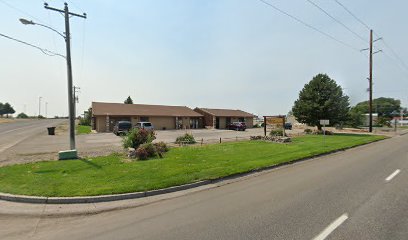
Sober Nation lists 6 treatment centers in Twin Falls, Idaho. Located in the southern region of the state along the Snake River, Twin Falls is a regional hub for recovery services in central Idaho. The city offers a range of treatment options, from intensive outpatient programs to counseling-based care, serving individuals seeking substance use treatment and recovery support.
Levels of Care in Twin Falls
All 6 centers in Twin Falls provide substance use treatment and outpatient services. The centers offer different formats and therapeutic approaches to fit various needs and schedules. Here's what's available in the area:
Outpatient care: All 6 centers offer both regular and intensive outpatient treatment (IOP). Regular outpatient allows for weekly or twice-weekly sessions, while intensive outpatient involves multiple sessions per week. Both formats make treatment accessible for people who need to continue working, managing school, or handling family responsibilities while receiving care.
Cognitive behavioral therapy (CBT): All 6 centers provide CBT, a structured approach that helps individuals identify patterns in thinking and behavior that contribute to substance use. CBT teaches practical skills to manage triggers and build healthier responses to stress.
Trauma-related counseling: All 6 centers offer trauma counseling. Trauma and addiction often occur together, and treating both is important for sustainable recovery. Counselors help individuals process traumatic experiences and develop coping skills without substances.
Counseling options: All 6 centers provide individual, group, and family counseling. Individual sessions allow for personalized treatment; group sessions offer peer support and a chance to learn from others facing similar challenges; family sessions help repair relationships affected by addiction and improve communication.
Evidence-based methods: Centers use relapse prevention strategies, anger management, motivational interviewing, and continuing care planning to support long-term recovery.
Gender-specific services: All 6 centers serve both men and women.
To confirm availability of detoxification services, residential or inpatient programs, dialectical behavior therapy (DBT), medication-assisted treatment with buprenorphine or methadone, sober living environments, or telehealth options, contact individual listings. Not all services are available at every location.
Paying for Rehab in Twin Falls
All 6 treatment centers in Twin Falls accept multiple forms of payment, making treatment more accessible regardless of financial situation. Cost should never be a barrier to getting help.
Cash or self-payment: All 6 centers accept direct payment. Many offer flexible payment plans or sliding-scale fees based on income.
Medicaid: All 6 centers accept Medicaid, which covers low-income individuals and families. Eligibility varies by family size and income level.
State-financed health insurance plans: All 6 centers accept other state-financed insurance programs beyond Medicaid.
Idaho's state substance abuse agency also offers support for people seeking treatment. Funding may be available through grant programs and state initiatives. When you contact a center, ask directly about payment options, whether they offer sliding-scale fees, and what state programs they accept. The center's admissions team can help you understand your costs upfront.
For comprehensive information about Medicaid coverage in Idaho, state grant programs, and other funding options, see the Idaho rehab guide. That resource details eligibility, the application process, and how to connect with state support systems.
Traveling for Treatment and Nearby Options
If you want more choices, prefer a different location, or need a specific service not available locally, several larger regional centers are within reach across Idaho. Expanding your search can open access to programs with specialized services or different treatment philosophies.
Idaho Falls has 15 treatment centers, the largest concentration in the region. It's located north of Twin Falls.
Nampa and Pocatello each have 9 centers. Nampa is in southwestern Idaho near Boise; Pocatello is to the southeast.
Caldwell and Meridian each have 5 centers, both located in the Boise metro area.
Traveling for treatment is a real option. Some people benefit from distance and a change of environment as part of recovery. If distance or time away from obligations is a concern, ask whether a center offers telehealth services. Many treatment centers in Idaho now provide remote participation in counseling, therapy, and group sessions. This allows you to receive care from home while still getting professional support. When you call a center, ask specifically whether they offer virtual appointments and how they structure remote sessions.
Regardless of location, connecting with professional treatment is the priority. Whether that's local or requires travel, the right fit matters more than proximity.
Frequently Asked Questions
What types of treatment do the 6 centers in Twin Falls offer?+
All 6 centers provide substance use treatment, outpatient care (both regular and intensive), cognitive behavioral therapy, trauma-related counseling, and individual, group, and family counseling. Additional services include relapse prevention, anger management, and motivational interviewing. To confirm availability of detox, residential programs, medication-assisted treatment, or other specific services, contact the center directly.
Does Medicaid cover treatment in Twin Falls?+
Yes. All 6 centers in Twin Falls accept Medicaid, and all also accept other state-financed health insurance plans. If cost is a concern, ask about sliding-scale fees or state grant programs when you call. The Idaho rehab guide has more information on funding options and eligibility.
What should I do if I can't find what I need in Twin Falls?+
Idaho Falls has 15 treatment centers. Nampa and Pocatello each have 9 options. If traveling isn't practical, ask about telehealth appointments; many centers now offer remote counseling and therapy sessions. You can also call 988, the Suicide and Crisis Lifeline (free, 24/7), to discuss options and get referrals.
Sources
1.Idaho statewide Medicaid, overdose context, and state programs /rehab/idaho/


 0.8 mi