

 1 / 2
1 / 2At a Glance
Location
630 Addison Avenue West, Twin Falls, ID 83301
Phone
208-736-5048 x2226Primary Focus
Treatment Settings
Treatment Approaches
Special Programs
About Twin Falls County Treatment and Recovery Clinic
Twin Falls County operates an outpatient substance use treatment program in Twin Falls, Idaho, offering structured behavioral health services for adults navigating co-occurring disorders, trauma, and PTSD alongside addiction. The program uses Cognitive Behavioral Therapy and accepts Medicaid, sliding-scale fees, and state insurance, making recovery accessible to a wide range of community members.
Twin Falls County's Treatment and Recovery Clinic sits at 630 Addison Avenue West in Twin Falls, Idaho, and functions as a county-administered substance use treatment program embedded within the broader behavioral health services of local government. That structure sets it apart from privately operated rehab centers — this is a community resource designed to serve residents at multiple points in their recovery journey, with services that extend into family therapy, couples therapy, group sessions, and case management alongside individual treatment.
The clinic's primary level of care is an outpatient program, which allows people to receive consistent addiction treatment and recovery support while remaining in their homes, jobs, and communities. Outpatient programming is a strong fit for people pursuing long-term recovery who need structured, ongoing substance abuse treatment without a residential stay — and for those stepping down from a higher level of care and looking to maintain momentum through continued outpatient support.
Cognitive Behavioral Therapy is the confirmed therapeutic method at the center, giving clients a structured framework for identifying and reshaping the thought patterns that drive substance use and emotional distress. The program also directly addresses co-occurring disorders and dual diagnosis, recognizing that trauma and PTSD frequently intersect with addiction and that lasting recovery depends on treating both at the same time. Case management services further support clients in coordinating care and navigating the practical demands of sustained recovery.
The clinic serves men and women, including individuals who are court-ordered into treatment — a population that benefits from a county-run program with established ties to the local legal and social services system. Payment options include Medicaid, state insurance, self-pay, and a sliding-scale fee structure, which significantly reduces financial barriers for community members seeking outpatient addiction treatment in the Twin Falls area. For people evaluating long-term recovery options in southern Idaho, this county clinic offers an accessible, community-rooted alternative to private treatment providers.
Outpatient Recovery Services Rooted in the Twin Falls Community
Twin Falls County's Treatment and Recovery Clinic delivers outpatient substance abuse treatment through a county-run behavioral health infrastructure that most private rehab centers cannot replicate. Because the program operates within county government, it maintains established relationships with local courts, social services agencies, and community partners — connections that can meaningfully support a person's broader recovery plan.
The outpatient program model allows clients to work on their recovery without stepping away from their everyday lives. For people in the earlier stages of building a sober life, or for those transitioning out of residential treatment and looking for continued structure, outpatient care provides a consistent recovery anchor. Services span individual therapy, family therapy, couples therapy, group programming, and case management, creating multiple points of support within a single coordinated program.
Dual Diagnosis and Trauma-Informed Addiction Treatment
A defining feature of the Twin Falls County clinic is its direct treatment of co-occurring disorders and dual diagnosis alongside substance use. Trauma and PTSD are explicitly addressed within the program, reflecting an understanding that unresolved trauma is frequently a driver of addiction and that treating only the substance use without addressing underlying mental health conditions limits the durability of recovery.
Cognitive Behavioral Therapy anchors the clinical approach, equipping clients with practical tools to recognize and interrupt the thought and behavior cycles that sustain addiction and emotional dysregulation. For people in recovery who have struggled with both mental health challenges and substance use, an integrated treatment approach in a community-based outpatient setting can provide a more complete foundation for lasting change.
Who the Program Serves and How to Access Care
The clinic serves men and women in the Twin Falls area, including individuals entering treatment through the court system. Court-ordered participants are integrated into the same community-based outpatient program, benefiting from the county's established relationships with local legal and social services systems.
Financial access is a priority. The program accepts Medicaid, state insurance, self-pay, and offers a sliding-scale fee option — a range of payment methods that reflects the clinic's role as a public community resource. For individuals and families evaluating addiction treatment options in southern Idaho, this breadth of accepted payment types can make the difference between accessing care and going without it.
Family and Case Management Support in Recovery
Recovery rarely happens in isolation, and the Twin Falls County clinic structures its services accordingly. In addition to individual outpatient treatment, the program offers family therapy and couples therapy, creating space for the people closest to a person in recovery to participate in the process. These services acknowledge that addiction affects entire households, not just individuals, and that repairing and strengthening those relationships is part of building a stable recovery.
Case management is another layer of support embedded in the program. For people navigating the practical, logistical, and systemic challenges that often accompany early recovery — housing instability, legal obligations, employment, or access to other services — case management can help coordinate care and reduce the friction that derails long-term progress.
Why Choose Twin Falls County Treatment and Recovery Clinic
- County-administered outpatient program with direct ties to local social services and the court system
- Treats co-occurring disorders and trauma/PTSD alongside substance use — not addiction in isolation
- Cognitive Behavioral Therapy provides a structured, skill-based framework for long-term recovery
- Accepts Medicaid, state insurance, and sliding-scale fees, lowering financial barriers to care
- Behavioral health services include individual, family, couples therapy, groups, and case management
Frequently Asked Questions
What level of care does the Twin Falls County Treatment and Recovery Clinic offer?
The clinic provides an outpatient program for substance use treatment. This level of care allows clients to receive structured addiction treatment and behavioral health services while continuing to live at home and manage their daily responsibilities. Outpatient programming is well-suited for people in ongoing recovery or stepping down from a more intensive level of care.
Does the clinic treat co-occurring mental health conditions alongside addiction?
Yes. The program explicitly treats co-occurring disorders and dual diagnosis, as well as trauma and PTSD. Addressing both substance use and mental health conditions within the same outpatient program is central to the clinic's approach to recovery.
What therapy approaches are used in the outpatient program?
Cognitive Behavioral Therapy (CBT) is the confirmed therapeutic method used at the clinic. CBT helps clients identify the thought patterns and behaviors connected to substance use and develop practical skills to support long-term recovery.
What types of behavioral health services are available beyond individual therapy?
The clinic's behavioral health services include individual therapy, family therapy, couples therapy, group sessions, and case management. This range of services allows clients and their families to engage with recovery support in multiple formats within the same program.
Who is eligible for services at the Twin Falls County clinic?
The program serves men and women, including individuals who are court-ordered into treatment. The clinic's county-administered structure and connections to local legal and social services systems make it a resource for a broad cross-section of the Twin Falls community.
What payment options are accepted for outpatient treatment?
The clinic accepts Medicaid, state insurance, self-pay and cash, and offers a sliding-scale fee option. This range of payment methods is designed to make outpatient addiction treatment accessible to community members across different financial circumstances.
Is family involvement supported during the recovery process?
Yes. The clinic offers both family therapy and couples therapy as part of its behavioral health services. These options allow loved ones to participate in the recovery process and address the relational dimensions of addiction alongside individual treatment.
Does the program offer support for people involved in the court system?
Yes. Court-ordered individuals are among the populations explicitly served by the Twin Falls County outpatient program. The clinic's position within county government supports coordination with local courts and related services.
What is case management, and is it available at this clinic?
Case management is a service that helps clients coordinate care, navigate systems, and address the practical challenges that can arise during recovery. The Twin Falls County clinic includes case management as part of its behavioral health services alongside therapy and group programming.
Nearby Treatment Centers
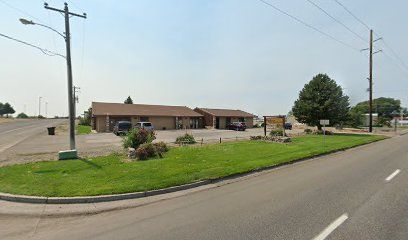
ProActive Behavioral Health
Twin Falls, ID
- IOP
Substance use treatment · Accepts clients on opioid medication but prescribed elsewhere · Cognitive behavioral therapy
Accepts: Cash or self-payment, Medicaid, State-financed health insurance plan other than Medicaid
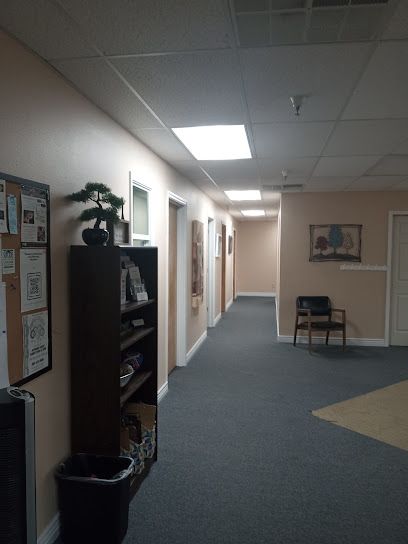
Preferred Child and Family Services
Twin Falls, ID
- IOP
Substance use treatment · Does not use medication for opioid addiction · Cognitive behavioral therapy
Accepts: Cash or self-payment, Medicaid, State-financed health insurance plan other than Medicaid
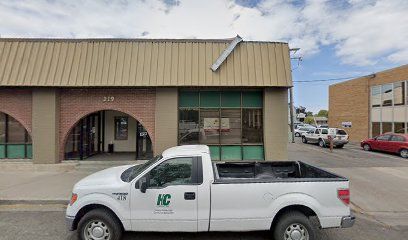
Kimi Recovery Center
Twin Falls, ID
- IOP
Substance use treatment · Accepts clients on opioid medication but prescribed elsewhere · Cognitive behavioral therapy
Accepts: Cash or self-payment, Medicaid, State-financed health insurance plan other than Medicaid
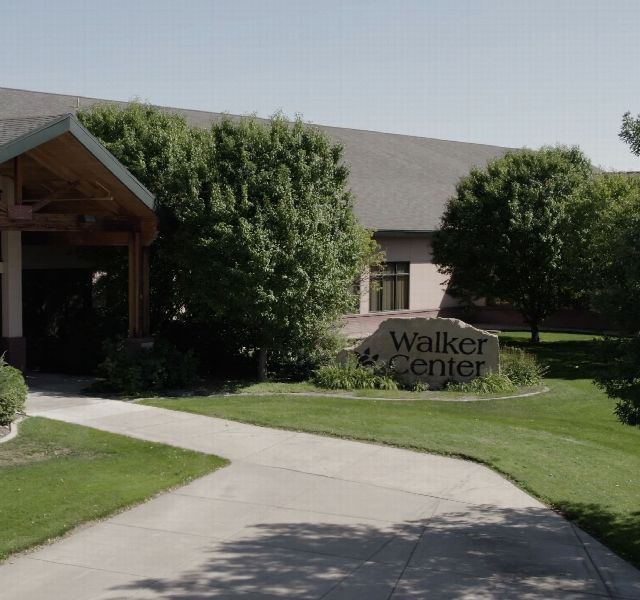
Walker Center
Twin Falls, ID
- IOP
- MAT
Substance use treatment · Accepts clients on opioid medication but prescribed elsewhere · Cognitive behavioral therapy
Accepts: Cash or self-payment, Medicaid, State-financed health insurance plan other than Medicaid
Walker Center Eastglen
Twin Falls, ID
- IOP
- MAT
Substance use treatment · Accepts clients on opioid medication but prescribed elsewhere · Cognitive behavioral therapy
Accepts: Cash or self-payment, Medicaid, Medicare

ProActive Behavioral Health
Gooding, ID
- IOP
Substance use treatment · Accepts clients on opioid medication but prescribed elsewhere · Cognitive behavioral therapy
Accepts: Cash or self-payment, Medicaid, Medicare