


At a Glance
Location
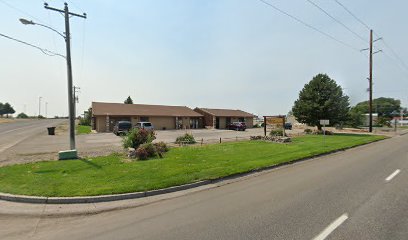
219 Gooding Street North, Twin Falls, ID 83301
Phone
208-293-8846Primary Focus
Treatment Settings
Treatment Approaches
Special Programs
About Kimi Recovery Center
Kimi Recovery Center in Twin Falls, Idaho offers outpatient and intensive outpatient programs for adults navigating substance use and co-occurring mental health conditions. With a focus on personalized recovery assessments, case management, and CBT-based treatment, the center serves a wide range of populations — including veterans, young adults, and pregnant women — through flexible, community-grounded care.
Kimi Recovery Center is a substance use treatment facility located at 219 Gooding Street North in Twin Falls, Idaho, serving individuals and families seeking structured outpatient recovery support in the Magic Valley region. The center specializes in personalized addiction and mental health recovery, offering services that address not only substance use but the underlying conditions that often accompany it — including trauma, PTSD, and co-occurring disorders. For those evaluating long-term recovery options rather than acute crisis care, Kimi Recovery Center positions itself as a recovery partner built around assessment, planning, and ongoing support.
The center offers two primary levels of outpatient care: a standard Outpatient Program and an Intensive Outpatient Program (IOP). The IOP is designed for individuals who need more structure than traditional outpatient allows — without requiring a residential or inpatient setting. Both tracks address addiction alongside mental health, making them well-suited for people managing dual diagnosis alongside their recovery. The center also provides recovery assessments and case management services, which help clients map out a treatment course aligned with their specific circumstances.
Cognitive Behavioral Therapy (CBT) anchors the clinical approach at Kimi Recovery Center. CBT is a structured, skills-based method that helps clients identify and reshape the thought patterns driving harmful behaviors — a practical framework for people working through both substance use and conditions like PTSD or co-occurring mental health disorders. The center operates Monday through Friday, 9 a.m. to 5 p.m., providing a consistent weekly structure that supports ongoing engagement throughout the recovery process.
Kimi Recovery Center serves a notably broad population: veterans, young adults ages 18–25, seniors, pregnant women, men, women, and individuals who are court-ordered into treatment. Payment options include Medicaid, state insurance, self-pay, and a sliding scale fee structure — with a 10% discount available for clients who pay their full balance upfront. This range of access options reflects a center designed to meet people where they are, financially and clinically, as they work toward sustained recovery.
Outpatient and Intensive Outpatient Programs in Twin Falls, ID
For people who are past the acute phase of addiction and focused on building a sustainable recovery, Kimi Recovery Center offers two structured outpatient tracks in Twin Falls, Idaho. The standard Outpatient Program provides a lower-intensity schedule suited to individuals balancing treatment with work, family, or other responsibilities. The Intensive Outpatient Program (IOP) delivers a higher level of structured care for those who need more consistent clinical support without moving into a residential setting.
Both programs are designed to treat substance use alongside co-occurring conditions — including trauma, PTSD, and dual diagnosis disorders. This integrated approach means clients are not just addressing substance use in isolation; they are working through the mental health factors that often run alongside it. Recovery assessments at intake and ongoing case management help ensure each client's treatment course reflects their actual needs at every stage.
Who Kimi Recovery Center Serves
Kimi Recovery Center serves a diverse community of adults across a broad range of backgrounds and circumstances. The center's programs are open to veterans, young adults ages 18–25, seniors, pregnant women, men, and women — as well as individuals who enter treatment through court orders. This breadth reflects a commitment to meeting people in recovery wherever they are in life, rather than limiting services to a narrow demographic.
The center also provides HIV/AIDS support services as part of its population-specific programming. For families supporting a loved one through recovery, knowing that a treatment center is equipped to work with a wide range of individuals — including those with complex legal, medical, or life circumstances — can be a meaningful factor in choosing a long-term recovery partner.
CBT and the Clinical Approach at Kimi Recovery Center
Cognitive Behavioral Therapy (CBT) is the clinical foundation of treatment at Kimi Recovery Center. CBT works by helping clients recognize and interrupt the thought patterns that contribute to substance use and mental health struggles — building practical coping skills that extend well beyond the treatment setting. For people managing co-occurring disorders or trauma alongside addiction, this structured, skills-based approach offers tools that remain useful long into recovery.
The center's focus on mental health alongside addiction — rather than treating substance use as a standalone issue — makes it a strong fit for individuals whose recovery needs to address multiple dimensions at once. The dual diagnosis and trauma-informed scope of the programming reflects a clinical philosophy grounded in treating the whole person in context.
Payment Options and Access at Kimi Recovery Center
Access to ongoing addiction treatment often depends on navigating insurance and cost — and Kimi Recovery Center has structured its payment options with that reality in mind. The center accepts Medicaid, state insurance, and self-pay, and offers a sliding scale fee structure for those whose finances require flexibility. For self-pay clients who can pay their full balance upfront, the center provides a 10% discount.
These options make the center accessible to a range of individuals in the Twin Falls community, including those who might otherwise face financial barriers to sustained outpatient care. Prospective clients and their families can reach the center directly at (208) 293-8846 or by email at [email protected] to discuss payment options and schedule an initial recovery assessment.
Why Choose Kimi Recovery Center
- Intensive Outpatient Program (IOP) that addresses both addiction and co-occurring mental health conditions — including trauma and PTSD — within a single treatment framework
- Recovery assessments and case management services that help clients build a structured, individualized plan from day one
- Serves a wide range of populations — veterans, pregnant women, court-ordered individuals, seniors, and young adults — under one roof in Twin Falls
- Multiple payment pathways including Medicaid, state insurance, sliding scale fees, and a 10% upfront payment discount for self-pay clients
- CBT-grounded outpatient programming that equips clients with practical skills for managing substance use and mental health challenges in daily life
Frequently Asked Questions
What levels of addiction treatment does Kimi Recovery Center offer?
Kimi Recovery Center offers two outpatient levels of care: a standard Outpatient Program and an Intensive Outpatient Program (IOP). The IOP provides a higher level of structured support for those who need more clinical engagement than traditional outpatient without moving into a residential setting. Both tracks are available to adults in Twin Falls and the surrounding area.
Does Kimi Recovery Center treat co-occurring mental health conditions?
Yes. Kimi Recovery Center treats co-occurring disorders and dual diagnosis as part of its core programming. The center also addresses trauma and PTSD alongside substance use, making it well-suited for individuals whose recovery involves both addiction and underlying mental health conditions.
What therapeutic approach does Kimi Recovery Center use?
Cognitive Behavioral Therapy (CBT) is the primary therapeutic method used at Kimi Recovery Center. CBT is a structured approach that helps clients identify the thought patterns driving harmful behaviors and develop practical skills for managing them — tools that support recovery well beyond the treatment setting.
What populations does Kimi Recovery Center serve?
The center serves a wide range of adults, including veterans, young adults ages 18–25, seniors, pregnant women, men, women, individuals with HIV/AIDS, and people who are court-ordered into treatment. This breadth makes Kimi Recovery Center a resource for individuals from many different backgrounds and circumstances.
Does Kimi Recovery Center accept Medicaid or offer financial assistance?
Yes. Kimi Recovery Center accepts Medicaid and state insurance, and also offers self-pay and sliding scale fee options. Clients who pay their full balance upfront receive a 10% discount. These options help make ongoing outpatient treatment accessible to more people in the Twin Falls community.
What are Kimi Recovery Center's hours of operation?
Kimi Recovery Center is open Monday through Friday from 9:00 a.m. to 5:00 p.m. The center is closed on weekends. Prospective clients can call (208) 293-8846 or email [email protected] to schedule an assessment or ask about program availability.
Does Kimi Recovery Center offer recovery assessments?
Yes. Recovery assessments are a core service at Kimi Recovery Center. The center also provides case management to help clients build and follow a structured treatment plan. These services support a longer-term, coordinated approach to recovery rather than crisis-focused care alone.
Is Kimi Recovery Center appropriate for someone with trauma or PTSD?
Yes. Trauma and PTSD are among the conditions explicitly treated at Kimi Recovery Center, alongside substance use and co-occurring disorders. The center's use of CBT is particularly well-suited to individuals working through the intersection of trauma and addiction in their recovery.
Can someone who is court-ordered enroll in treatment at Kimi Recovery Center?
Yes. Kimi Recovery Center serves court-ordered individuals as part of its population focus. The center's outpatient and IOP programs are structured to support clients entering treatment through the legal system alongside those who self-refer or are referred by family.
How do I contact Kimi Recovery Center to start the process?
You can reach Kimi Recovery Center by phone at (208) 293-8846 or by email at [email protected]. The center is located at 219 Gooding Street North in Twin Falls, Idaho, and is open weekdays from 9 a.m. to 5 p.m. A recovery assessment is the typical starting point for new clients.
Nearby Treatment Centers
ProActive Behavioral Health
Twin Falls, ID
- IOP
Substance use treatment · Accepts clients on opioid medication but prescribed elsewhere · Cognitive behavioral therapy
Accepts: Cash or self-payment, Medicaid, State-financed health insurance plan other than Medicaid
Preferred Child and Family Services
Twin Falls, ID
- IOP
Substance use treatment · Does not use medication for opioid addiction · Cognitive behavioral therapy
Accepts: Cash or self-payment, Medicaid, State-financed health insurance plan other than Medicaid

Twin Falls County Treatment and Recovery Clinic
Twin Falls, ID
- IOP
Substance use treatment · Accepts clients on opioid medication but prescribed elsewhere · Cognitive behavioral therapy
Accepts: Cash or self-payment, Medicaid, State-financed health insurance plan other than Medicaid
Walker Center Eastglen
Twin Falls, ID
- IOP
- MAT
Substance use treatment · Accepts clients on opioid medication but prescribed elsewhere · Cognitive behavioral therapy
Accepts: Cash or self-payment, Medicaid, Medicare

Walker Center
Twin Falls, ID
- IOP
- MAT
Substance use treatment · Accepts clients on opioid medication but prescribed elsewhere · Cognitive behavioral therapy
Accepts: Cash or self-payment, Medicaid, State-financed health insurance plan other than Medicaid

ProActive Behavioral Health
Gooding, ID
- IOP
Substance use treatment · Accepts clients on opioid medication but prescribed elsewhere · Cognitive behavioral therapy
Accepts: Cash or self-payment, Medicaid, Medicare