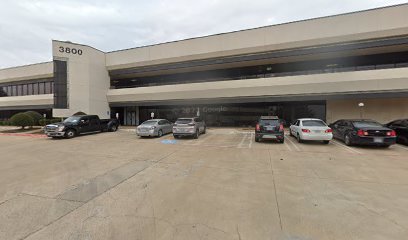
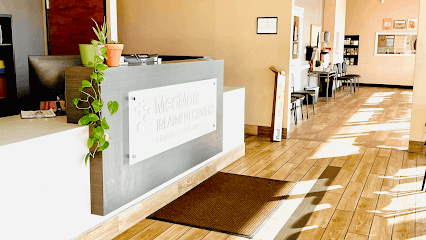
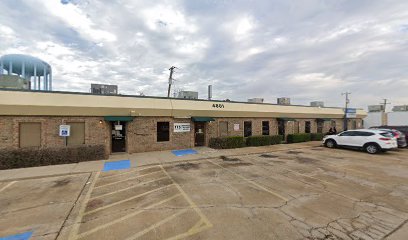
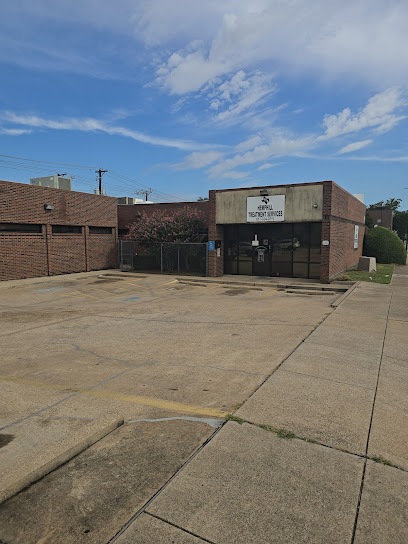
Across Fort Worth's listed programs, the clinical core is remarkably consistent. All 22 centers offer substance abuse counseling, individual counseling, and group counseling, along with a comprehensive substance use assessment, cognitive behavioral therapy (CBT), motivational interviewing, relapse prevention, substance use education, and screening for substance use — the building blocks recovery depends on. From there, common offerings include drug or alcohol urine screening (21 centers), case management (21), discharge planning (21), tobacco cessation counseling (20), and follow-up after discharge (20). Nineteen centers provide trauma-related counseling, 19 offer family counseling, and 19 build in mentoring or peer support, while 18 include aftercare or continuing care so support does not end the day treatment does.
Outpatient care is the most common setting here: 18 centers offer outpatient treatment, meaning you attend scheduled sessions while continuing to live at home — a practical place to start for many people balancing work, school, or family.
On program setting, 20 centers serve all genders and 2 are men-only — worth knowing if a gender-specific environment matters to your recovery. One thing to confirm directly: if you specifically need medically supervised detox, residential or inpatient care, or medication-assisted treatment (buprenorphine, methadone, or naltrexone), those levels are not spelled out in Fort Worth's listings, so call ahead and confirm with the listing before you go.