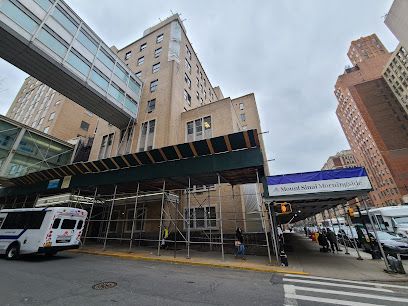
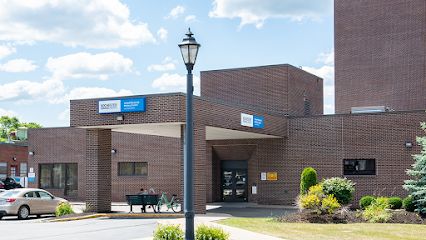
Sober Nation lists 863 treatment centers across New York State, and they cluster where the population does. Manhattan — labeled simply New York in the directory — anchors the total with 112 listed programs, followed by Brooklyn (67) and the Bronx (61). Staten Island adds another 23. Beyond the five boroughs, upstate hubs carry much of the remainder: Rochester (41), Buffalo (36), Albany (25), Syracuse (18), and smaller counts in Binghamton (12) and Poughkeepsie (12). That pattern tracks where most New Yorkers live, but it also means residents of rural counties often have far fewer options within easy reach — one reason telehealth and traveling for care come up so often upstate.
Directory counts show supply, not need, and the two do not always line up. About 16.8% of New Yorkers ages 12 and older — roughly 2.8 million people — reported a substance use disorder in the past year (SAMHSA NSDUH, 2022–2023). The treatment gap is wide: nationally, only about 1 in 6 people with a substance use disorder received any treatment in 2023, so most go without care (SAMHSA NSDUH, 2023). Overdose deaths, now driven heavily by fentanyl, are tracked separately — an estimated 4,449 New Yorkers died from a drug overdose in 2024, roughly 21 per 100,000 residents, with fentanyl and other synthetic opioids involved in most of those deaths (CDC WONDER, 2024). Reading those figures next to the center counts above gives a fuller picture of both demand and the capacity available to meet it.