

 1 / 3
1 / 3At a Glance
Location
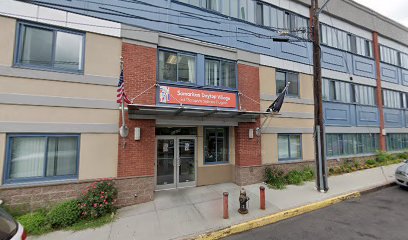
13020 89th Road, Richmond Hill, NY 11418
Phone
718-441-8913Primary Focus
Treatment Settings
Treatment Approaches
Special Programs
About Samaritan Daytop Village Inc MTA/Residential
Samaritan Daytop Village Inc MTA/Residential in Richmond Hill, Queens offers residential treatment for adults navigating addiction and co-occurring mental health conditions. With CARF accreditation and broad insurance acceptance — including Medicaid and Medicare — this recovery center serves individuals across New York City, Long Island, and the Hudson Valley seeking structured, longer-term residential care.
Samaritan Daytop Village Inc MTA/Residential is a CARF-accredited residential treatment center located at 130-20 89th Road in Richmond Hill, Queens, NY 11418. Part of the broader Samaritan Daytop Village network — a longstanding name in New York's substance abuse treatment landscape — this facility brings residential addiction care to one of the city's most diverse boroughs, drawing individuals from across New York City, Long Island, and the Hudson Valley who are ready to commit to longer-term recovery.
The facility's primary level of care is residential treatment, meaning clients live on-site and engage in structured programming designed to support sustained recovery rather than short-term stabilization alone. This immersive model provides the kind of continuity that outpatient settings cannot replicate, giving residents the time and consistency needed to build real recovery skills before transitioning back to daily life.
Cognitive Behavioral Therapy (CBT) anchors the clinical approach at this center. CBT is a well-regarded therapeutic method that helps individuals identify and reshape the thought patterns driving addictive behavior — a practical, skills-based framework suited to both addiction treatment and the co-occurring mental health conditions the facility is equipped to address. The dual diagnosis capability means individuals dealing with depression, anxiety, trauma, or other mental health concerns alongside a substance use disorder are not turned away or under-served.
Samaritan Daytop Village MTA/Residential is particularly well-positioned for individuals who rely on public insurance. The center accepts Medicaid, Medicare, state insurance, private insurance, self-pay, and financial assistance — removing cost as a barrier for many who might otherwise go without care. For families across Queens and greater New York City researching residential addiction treatment that takes co-occurring disorders seriously and accepts a wide range of payment options, this center represents a concrete, accessible option.
Residential Treatment in the Heart of Queens
Samaritan Daytop Village Inc MTA/Residential offers full residential treatment at its Richmond Hill, Queens location — a setting that places individuals in the center of one of New York City's most connected communities while still providing the structure that recovery demands. Residential treatment at this level means living on-site and engaging consistently with programming, which research consistently links to better long-term outcomes compared to shorter interventions.
For individuals across New York City, Long Island, and the Hudson Valley who have cycled through shorter-term options without lasting results, a residential model offers something different: enough time to address the underlying patterns driving addiction, not just the immediate crisis. Samaritan Daytop Village's history in New York's recovery community makes this Queens facility a recognizable and trusted option for families doing serious research.
Co-Occurring Disorders and Dual Diagnosis Treatment
A defining feature of this residential program is its treatment of co-occurring disorders — what the clinical community calls dual diagnosis. Many people entering addiction treatment are also managing mental health conditions that, if left unaddressed, significantly undermine recovery. Samaritan Daytop Village MTA/Residential is structured to treat both simultaneously rather than asking residents to stabilize one before addressing the other.
Cognitive Behavioral Therapy (CBT) supports this integrated approach. CBT equips individuals with concrete tools for recognizing and changing the thought and behavior patterns connected to both substance use and mental health challenges — making it especially well-suited to a dual diagnosis population. For families trying to understand whether a loved one's needs are too complex for standard residential treatment, the confirmed dual diagnosis capacity here is a meaningful differentiator.
Payment Options and Access to Care
One of the most practical barriers to entering residential addiction treatment is cost, and Samaritan Daytop Village MTA/Residential addresses this directly. The center accepts Medicaid, Medicare, state insurance, private insurance, self-pay, and financial assistance — a range that puts residential treatment within reach for individuals and families across the income spectrum.
For communities across Queens, Brooklyn, the Bronx, Long Island, and the Hudson Valley where public insurance coverage is common, the acceptance of Medicaid and Medicare is particularly significant. Individuals should contact the facility directly at (718) 441-8913 to confirm current coverage specifics and discuss financial assistance options before admission.
Choosing a Residential Recovery Center in New York City
Selecting a residential treatment program is one of the most consequential decisions a person in recovery — or a family member supporting them — will make. Accreditation, clinical approach, and the ability to treat the full picture of a person's needs all matter. Samaritan Daytop Village MTA/Residential holds CARF accreditation, signaling that its programs have met rigorous independent standards for quality and outcomes in substance abuse treatment.
Located in Richmond Hill at 130-20 89th Road, the facility is accessible to residents throughout Queens and the broader New York metro region. For those evaluating residential treatment options that combine clinical credibility, dual diagnosis capacity, CBT-based therapy, and broad insurance acceptance in one program, Samaritan Daytop Village represents a substantive choice worth a direct conversation.
Why Choose Samaritan Daytop Village Inc MTA/Residential
- CARF-accredited residential treatment center in Queens, NY — a recognized quality benchmark for recovery centers
- Dual diagnosis capability means co-occurring mental health conditions are treated alongside substance use disorder, not separately
- Cognitive Behavioral Therapy (CBT) provides a clinically grounded, skills-focused framework for long-term recovery
- Accepts Medicaid, Medicare, state insurance, private insurance, self-pay, and financial assistance — one of the broadest payment access profiles in the region
- Serves a wide geographic recovery community spanning New York City, Long Island, and the Hudson Valley
Frequently Asked Questions
What level of care does Samaritan Daytop Village MTA/Residential provide?
This facility provides residential treatment, meaning clients live on-site for the duration of their program. Residential treatment is a longer-term, immersive level of care designed to support lasting recovery rather than short-term stabilization. It is distinct from outpatient or intensive outpatient programs and is typically recommended for individuals who need a structured environment away from their daily surroundings.
Does this facility treat co-occurring mental health conditions alongside addiction?
Yes. Samaritan Daytop Village MTA/Residential treats co-occurring disorders, also called dual diagnosis. This means individuals dealing with both a substance use disorder and a mental health condition can receive integrated care within the same residential program, rather than being referred elsewhere for mental health treatment.
What therapeutic approach is used at this residential program?
Cognitive Behavioral Therapy (CBT) is the confirmed therapeutic method used at this facility. CBT is a structured, skills-based approach that helps individuals identify and change the thought patterns contributing to addictive behavior and mental health challenges. It is particularly well-suited to dual diagnosis populations because it addresses both conditions through a unified clinical framework.
Does Samaritan Daytop Village MTA/Residential accept Medicaid or Medicare?
Yes, the facility accepts both Medicaid and Medicare, along with state insurance, private insurance, self-pay, and financial assistance. This broad range of accepted payment methods makes residential treatment accessible to individuals across different financial situations. Contact the admissions team at (718) 441-8913 to discuss your specific coverage.
Where is this facility located, and what areas does it serve?
The facility is located at 130-20 89th Road in Richmond Hill, Queens, NY 11418. It serves individuals from across New York City, Long Island, and the Hudson Valley. Its Queens location makes it especially accessible to residents of the broader New York metro area seeking residential addiction treatment close to home.
Is Samaritan Daytop Village MTA/Residential accredited?
Yes, the facility holds CARF accreditation. CARF — the Commission on Accreditation of Rehabilitation Facilities — is an independent, internationally recognized body that evaluates rehabilitation and addiction treatment programs against rigorous quality and outcomes standards. CARF accreditation is a meaningful indicator when comparing residential recovery centers.
How is residential treatment different from an outpatient program?
Residential treatment requires clients to live at the facility throughout their program, providing continuous structure and clinical support. Outpatient programs allow individuals to return home each day. For those whose recovery needs require a more immersive environment — particularly when co-occurring disorders are present — residential treatment offers a level of consistency that outpatient settings typically cannot match.
What languages are services offered in at this facility?
Services at this facility are offered in English. Individuals who require services in another language should contact the admissions team directly at (718) 441-8913 to discuss available options.
How do I get more information or start the admissions process?
You can reach Samaritan Daytop Village Inc MTA/Residential directly by phone at (718) 441-8913. Speaking with the admissions team is the best way to confirm current program availability, discuss insurance coverage, and determine whether this residential treatment center is the right fit for your recovery needs.
Nearby Treatment Centers
Samaritan Daytop Village Inc OTP
Richmond Hill, NY
- Detox
- Residential
- Outpatient
- MAT
Substance use treatment · All Clients in Opioid Treatment Program · SAMHSA-certified Opioid Treatment Program
Accepts: Cash or self-payment, Medicaid, Medicare
Samaritan Daytop Village Inc Ed Thompson Veterans Center
Richmond Hill, NY
- Residential
- MAT
Substance use treatment · Accepts clients on opioid medication but prescribed elsewhere · Cognitive behavioral therapy
Accepts: Cash or self-payment, Medicaid, Medicare

Outreach Outpatient Services (OOS) Medically Supervised SA Prog
Richmond Hill, NY
- IOP
- MAT
Substance use treatment · Accepts clients on opioid medication but prescribed elsewhere · Cognitive behavioral therapy
Accepts: Cash or self-payment, Medicaid, Medicare

Arms Acres Inc Outpatient Clinic
Kew Gardens, NY
- IOP
- MAT
Substance use treatment · Accepts clients on opioid medication but prescribed elsewhere · Cognitive behavioral therapy
Accepts: Cash or self-payment, Medicaid, Medicare

New York Therapeutic Communities Inc
Jamaica, NY
- IOP
- MAT
Substance use treatment · Accepts clients on opioid medication but prescribed elsewhere · Cognitive behavioral therapy
Accepts: Cash or self-payment, Medicaid, Medicare
Counseling Service of EDNY CD/Outpt Services
Jamaica, NY
- Outpatient
- MAT
Substance use treatment · Accepts clients on opioid medication but prescribed elsewhere · Cognitive behavioral therapy
Accepts: Cash or self-payment, Medicaid, State-financed health insurance plan other than Medicaid