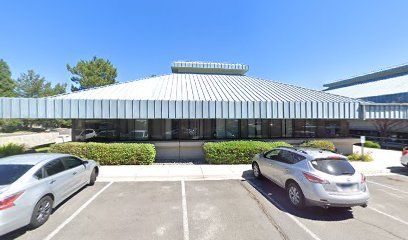
Quest Counseling and Consulting
Reno, NV
- Residential
- IOP
- MAT
Substance use treatment · Cognitive behavioral therapy · Dialectical behavior therapy
Accepts: Cash or self-payment, Medicaid, Private health insurance

Find a free or private addiction rehab center in Nevada. Use our search-by-city tool to find recovery near you.
90 centers found (21–40)
Reno, NV
Substance use treatment · Cognitive behavioral therapy · Dialectical behavior therapy
Accepts: Cash or self-payment, Medicaid, Private health insurance
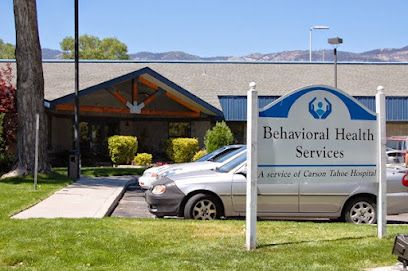
Carson City, NV
Substance use treatment · Cognitive behavioral therapy · Dialectical behavior therapy
Accepts: Cash or self-payment, Medicaid, Medicare
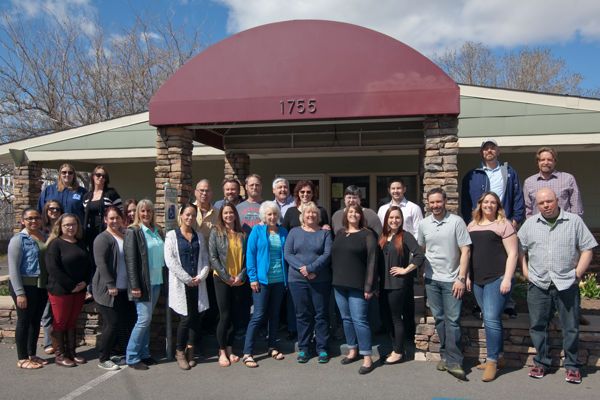
Sparks, NV
Substance use treatment · SAMHSA-certified Opioid Treatment Program · Cognitive behavioral therapy
Accepts: Cash or self-payment, Medicaid, Medicare

Reno, NV
Substance use treatment · Accepts clients on opioid medication but prescribed elsewhere · Cognitive behavioral therapy
Accepts: Cash or self-payment, Medicaid, Private health insurance
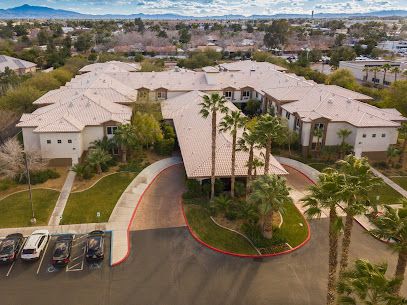
Las Vegas, NV
Substance use treatment · Cognitive behavioral therapy · Dialectical behavior therapy
Accepts: Cash or self-payment, Private health insurance, Military insurance
Carson City, NV
Substance use treatment · All Clients in Opioid Treatment Program · SAMHSA-certified Opioid Treatment Program
Accepts: Cash or self-payment, Medicaid, Medicare
Nixon, NV
Substance use treatment · Does not use medication for opioid addiction · Cognitive behavioral therapy
Accepts: Active duty military, Military families
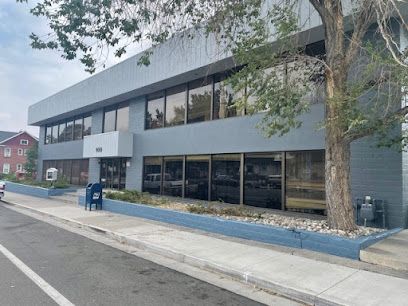
Reno, NV
Substance use treatment · Accepts clients on opioid medication but prescribed elsewhere · Cognitive behavioral therapy
Accepts: Cash or self-payment, Medicaid, State-financed health insurance plan other than Medicaid
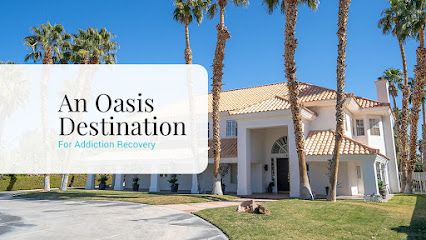
Las Vegas, NV
Substance use treatment · Cognitive behavioral therapy · Dialectical behavior therapy
Accepts: Cash or self-payment, Medicare, Private health insurance
Las Vegas, NV
Substance use treatment · Accepts clients on opioid medication but prescribed elsewhere · Cognitive behavioral therapy
Accepts: Cash or self-payment, Medicaid, Private health insurance
Fallon, NV
Substance use treatment · Accepts clients on opioid medication but prescribed elsewhere · Cognitive behavioral therapy
Accepts: Medicaid, Medicare, State-financed health insurance plan other than Medicaid
Las Vegas, NV
Substance use treatment · Accepts clients on opioid medication but prescribed elsewhere · Cognitive behavioral therapy
Accepts: Cash or self-payment, Medicaid, State-financed health insurance plan other than Medicaid
Reno, NV
Substance use treatment · Substance abuse counseling · Smoking not permitted
Accepts: Cash or self-payment, Medicare, State-financed health insurance plan other than Medicaid
Las Vegas, NV
Substance use treatment · Cognitive behavioral therapy · Dialectical behavior therapy
Accepts: Cash or self-payment, Medicaid, Medicare

Las Vegas, NV
Substance use treatment · All Clients in Opioid Treatment Program · SAMHSA-certified Opioid Treatment Program
Accepts: Cash or self-payment, Medicaid, Medicare
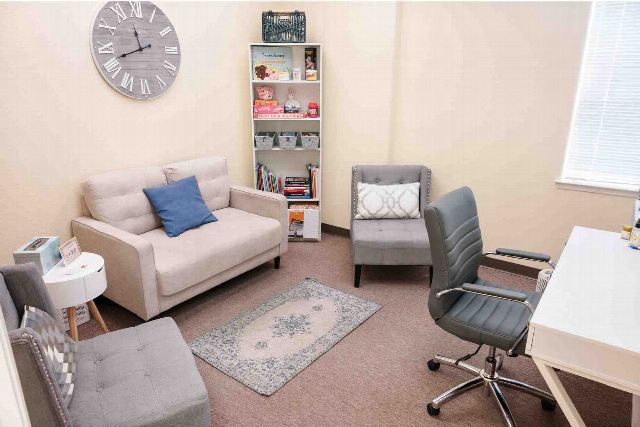
Reno, NV
Substance use treatment · Accepts clients on opioid medication but prescribed elsewhere · Cognitive behavioral therapy
Accepts: Cash or self-payment, Medicaid, Private health insurance
Las Vegas, NV
Substance use treatment · Accepts clients on opioid medication but prescribed elsewhere · Cognitive behavioral therapy
Accepts: Cash or self-payment, Medicaid, Medicare
Las Vegas, NV
Substance use treatment · Cognitive behavioral therapy · Dialectical behavior therapy
Accepts: Medicaid, State-financed health insurance plan other than Medicaid, Private health insurance
Reno, NV
Substance use treatment · Accepts clients on opioid medication but prescribed elsewhere · Cognitive behavioral therapy
Accepts: Cash or self-payment, Medicaid, Payment assistance
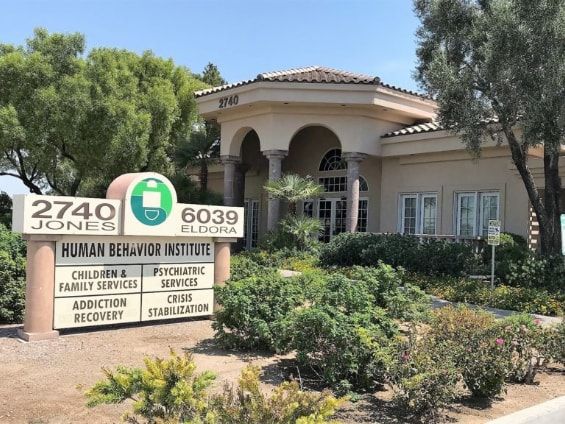
Las Vegas, NV
Substance use treatment · Accepts clients on opioid medication but prescribed elsewhere · Cognitive behavioral therapy
Accepts: Cash or self-payment, Medicaid, Private health insurance
Our sponsored hotline can help you compare treatment options and next steps.
Nevada's relationship with substance use is shaped by an economy that never fully closes. Las Vegas and Reno run on 24-hour hospitality, gaming, and service work — industries built around late shifts, tipped income, and alcohol that's always within reach. The same round-the-clock culture that draws tens of millions of visitors each year can blur the line, for the people who actually live here, between unwinding after a shift and a dependence that has taken hold. Away from the neon, Nevada is one of the most rural states in the country: a few dense population centers ringed by frontier counties where the nearest licensed program may be a hundred miles off. That geography shapes treatment access here as much as any statute does. Nevada expanded Medicaid under the Affordable Care Act in January 2014, opening behavioral health coverage to many low-income adults, and state agencies have backed naloxone distribution and rural recovery services through the state's Opioid Response program. Still, for someone in Elko or Ely, the first hurdle is often distance, not paperwork.
Sober Nation currently lists 90 treatment centers across Nevada, and their distribution closely tracks the state's population map. Las Vegas alone accounts for 40 of them, with Reno adding another 18. Beyond those two hubs the options thin out fast: Carson City, Elko, and Henderson each have 5, North Las Vegas has 4, and smaller communities such as Dayton, Fallon, Gardnerville, and Fernley list only one or two apiece. For residents of the rural interior, that concentration can turn a routine intake appointment into a half-day round trip.
Statewide context matters too. An estimated 21.3% of Nevada residents aged 12 or older met criteria for a substance use disorder in the past year (SAMHSA, 2022–2023 National Survey on Drug Use and Health), yet more than three-quarters of those who needed treatment did not receive it (77.4%, same survey) — the enduring treatment gap. Nevada's age-adjusted drug overdose death rate was 35.9 per 100,000 in 2024 (KFF analysis of CDC data), well above the national rate of 23.1 that year; and while U.S. overdose deaths fell 26.2% from 2023 to 2024 — the largest one-year decline on record — Nevada was one of only two states where the toll did not decline (CDC). Read together, these numbers frame the 90 listed programs honestly: real capacity exists, but it is not spread evenly across a state this large.
The mix of services among Nevada's listed centers shows where most care actually happens. Outpatient programs are the backbone: 86% of listed centers offer them, meaning you attend scheduled sessions while living at home — a practical fit if you have work, family, or a facility within reach. Aftercare, offered by 94%, is the single most common service; it's the ongoing support that follows an initial episode of care, from alumni groups to relapse-prevention planning.
Detox, available at 34% of centers, provides medically supervised withdrawal and is often the first step when physical dependence is present. Residential programs (27%) offer 24-hour live-in care for people who need to step out of their environment entirely. Medication-assisted treatment, or MAT (43%), pairs FDA-approved medication with counseling and is a recognized standard of care for opioid and alcohol use disorders. Where you begin depends on your situation and a clinical assessment, not a fixed sequence everyone follows.
Cost is usually the first thing people weigh, and Nevada's listings suggest public insurance stretches further here than many expect. Among the state's listed centers, 86% accept Medicaid and 32% accept Medicare — a broad base of programs for anyone covered by a public plan. Because Nevada expanded Medicaid eligibility under the Affordable Care Act in 2014, many low-income adults who once had no behavioral health coverage now qualify. Federal parity rules — the Mental Health Parity and Addiction Equity Act — also require most health plans that cover substance use treatment to do so on terms no more restrictive than they apply to other medical care (CMS). If you're uninsured or underinsured, the state's designated Single State Agency, the Nevada Division of Public and Behavioral Health, funds treatment providers through the federal Substance Abuse Prevention and Treatment Block Grant, many of which offer sliding-scale or no-cost services. Before you commit anywhere, call both the facility and your insurer: confirm what your specific plan covers, what your out-of-pocket share would be, and whether the program is in network. Do your research and ask questions — you are your own best advocate.
If you're not sure where to start, a few Nevada organizations can point you toward vetted help. The state's SAMHSA-designated Single State Agency for substance use services is the Nevada Division of Public and Behavioral Health, part of the Department of Health and Human Services; it administers prevention, treatment, and recovery programs and can direct you to publicly funded providers. NAMI Nevada, the state organization of the National Alliance on Mental Illness, offers free education programs and peer support groups for people and families affected by mental health conditions — which frequently co-occur with substance use — and connects callers to the national NAMI HelpLine. And if you or someone you love is in immediate crisis, call or text 988 to reach the 988 Suicide & Crisis Lifeline, staffed around the clock. None of these charge for their core services.