Utopia Health Center (UHC)
Greenbelt, MD
- IOP
- MAT
Substance use treatment · Accepts clients on opioid medication but prescribed elsewhere · Cognitive behavioral therapy
Accepts: Cash or self-payment, Medicaid, Medicare

Find a free or private addiction rehab center in Maryland. Use our search-by-city tool to find recovery near you.
406 centers found (61–80)
Greenbelt, MD
Substance use treatment · Accepts clients on opioid medication but prescribed elsewhere · Cognitive behavioral therapy
Accepts: Cash or self-payment, Medicaid, Medicare
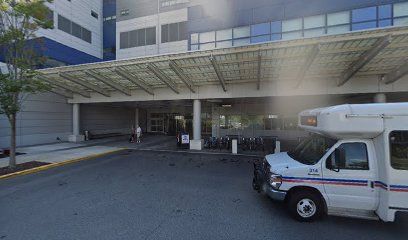
Cumberland, MD
Substance use treatment · Cognitive behavioral therapy · Dialectical behavior therapy
Accepts: Cash or self-payment, Medicaid, Medicare

Towson, MD
Substance use treatment · Cognitive behavioral therapy · Substance abuse counseling
Accepts: Cash or self-payment, State-financed health insurance plan other than Medicaid, Private health insurance
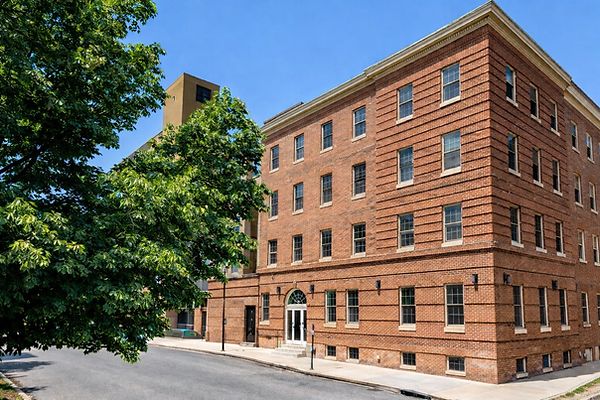
Baltimore, MD
Substance use treatment · Accepts clients on opioid medication but prescribed elsewhere · Cognitive behavioral therapy
Accepts: Cash or self-payment, Medicaid, Medicare

Belcamp, MD
Substance use treatment · All Clients in Opioid Treatment Program · SAMHSA-certified Opioid Treatment Program
Accepts: Cash or self-payment, Medicaid, Medicare
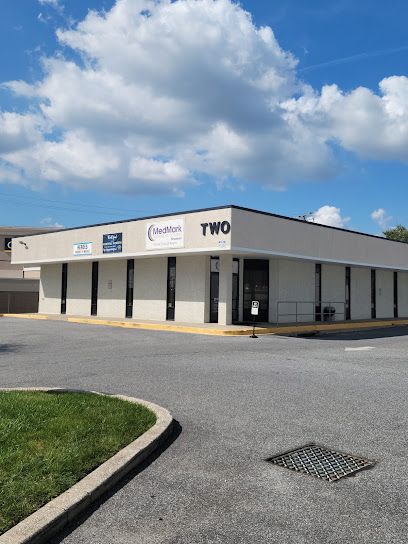
Lutherville Timonium, MD
Substance use treatment · All Clients in Opioid Treatment Program · SAMHSA-certified Opioid Treatment Program
Accepts: Cash or self-payment, Medicaid, Medicare
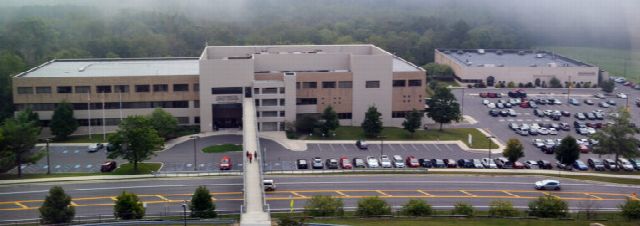
Cumberland, MD
Substance use treatment · Accepts clients on opioid medication but prescribed elsewhere · Cognitive behavioral therapy
Accepts: Cash or self-payment, Medicaid, Private health insurance

Baltimore, MD
Substance use treatment · All Clients in Opioid Treatment Program · SAMHSA-certified Opioid Treatment Program
Accepts: Cash or self-payment, Medicaid, Medicare
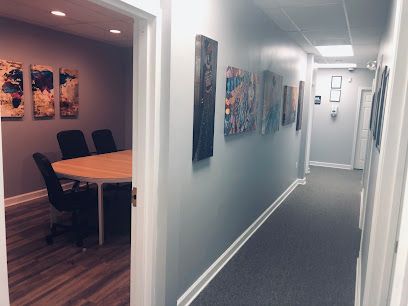
Bel Air, MD
Substance use treatment · All Clients in Opioid Treatment Program · SAMHSA-certified Opioid Treatment Program
Accepts: Cash or self-payment, Medicaid, Medicare
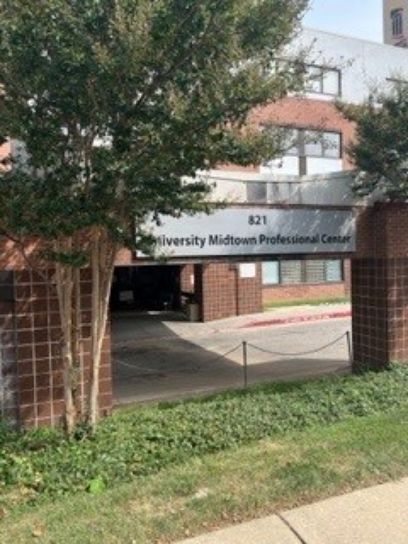
Baltimore, MD
Substance use treatment · All Clients in Opioid Treatment Program · SAMHSA-certified Opioid Treatment Program
Accepts: Cash or self-payment, Medicaid, Medicare
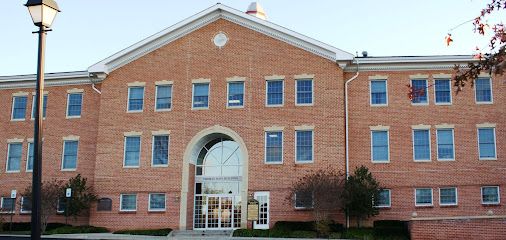
Bel Air, MD
Substance use treatment · Cognitive behavioral therapy · Dialectical behavior therapy
Accepts: Cash or self-payment, Medicaid, Medicare

Bel Air, MD
Substance use treatment · Accepts clients on opioid medication but prescribed elsewhere · SAMHSA-certified Opioid Treatment Program
Accepts: Cash or self-payment, Medicaid, Private health insurance
Rockville, MD
Substance use treatment · Accepts clients on opioid medication but prescribed elsewhere · Cognitive behavioral therapy
Accepts: Cash or self-payment, Private health insurance, Military insurance

Elkton, MD
Substance use treatment · Accepts clients on opioid medication but prescribed elsewhere · SAMHSA-certified Opioid Treatment Program
Accepts: Cash or self-payment, Medicaid, Private health insurance
Baltimore, MD
Substance use treatment · Accepts clients on opioid medication but prescribed elsewhere · Cognitive behavioral therapy
Accepts: Cash or self-payment, Medicaid, Medicare
Baltimore, MD
Substance use treatment · All Clients in Opioid Treatment Program · SAMHSA-certified Opioid Treatment Program
Accepts: Cash or self-payment, Medicaid, State-financed health insurance plan other than Medicaid
Rockville, MD
Substance use treatment · Does not use medication for opioid addiction · Accepts clients on opioid medication but prescribed elsewhere
Accepts: Cash or self-payment, Medicaid, Private health insurance

Baltimore, MD
Substance use treatment · Accepts clients on opioid medication but prescribed elsewhere · Cognitive behavioral therapy
Accepts: Cash or self-payment, Medicaid, Sliding fee scale
Emmitsburg, MD
Substance use treatment · Accepts clients on opioid medication but prescribed elsewhere · Cognitive behavioral therapy
Accepts: Medicaid
Chestertown, MD
Substance use treatment · Cognitive behavioral therapy · Dialectical behavior therapy
Accepts: Cash or self-payment, Medicaid, State-financed health insurance plan other than Medicaid
Our sponsored hotline can help you compare treatment options and next steps.
Maryland's treatment options are shaped by a sharp geographic split. The Baltimore–Washington corridor concentrates most of the state's clinical resources, while the Eastern Shore and the Appalachian counties of Western Maryland — places like Cumberland and Hagerstown — spread across long distances with far fewer options within easy reach. For someone deciding where to start, where you live in Maryland often shapes what is realistically available, and how far you may have to travel to get it.
Baltimore in particular carries a long, well-documented history with heroin and opioids, and the city remains central to how the state organizes and funds care. Maryland declared a state of emergency over the heroin and opioid crisis in 2017 (Executive Order 01.01.2017.02), directing new coordination and money toward treatment and overdose response. It is also a Medicaid-expansion state — having extended eligibility to low-income adults effective January 1, 2014 — which widened coverage for many residents seeking help for a substance use disorder.
If you or a loved one is looking for treatment here, the right fit depends on your location, your coverage, and the level of care you need. You are your own best advocate — and you do not have to sort this out alone.
Sober Nation lists 406 treatment centers across Maryland, and they are far from evenly distributed. They cluster heavily in and around Baltimore, which alone accounts for 118 listed centers — more than a quarter of the statewide total. After Baltimore, the numbers drop off sharply: Frederick lists 13, while Salisbury, Hagerstown, and Glen Burnie each list 11. Cumberland lists 10, Rockville and Towson each list 9, and Brooklyn and Elkton each list 8.
That pattern closely tracks Maryland's population, with the Baltimore metro and the Washington, D.C. suburbs holding most facilities and the Eastern Shore and western counties served by smaller clusters. The contrast is stark — Baltimore's 118 centers stand against single-digit counts across many outlying areas. It is a useful map of where care is concentrated, and where reaching a specific level of care may take more effort.
Statewide, an estimated 15.2% of Marylanders aged 12 or older had a substance use disorder in the past year — about 789,000 people — and roughly 77% of those who needed substance use treatment did not receive it (SAMHSA NSDUH, 2022–2023). Maryland's drug overdose deaths, meanwhile, have fallen sharply after years of opioid and fentanyl pressure, dropping from 2,511 in 2023 to 1,553 in 2024 — a 38% decline (Maryland Department of Health, 2025). Numbers alone cannot tell you which center is right, but they show where help is easiest to find.
The mix of services across Maryland's listed centers points to where most people actually begin. Outpatient care is by far the most common, offered by 90% of listed centers: you live at home and attend scheduled treatment sessions, which suits many people balancing work, school, or family responsibilities. For many, an outpatient program is a realistic and effective place to start. Aftercare, offered by 85%, supports the long stretch after formal treatment ends — the period when relapse risk is highest and ongoing structure matters most.
Medication-assisted treatment (MAT), available at 45% of centers, combines FDA-approved medications with counseling and behavioral therapy, and it is a first-line approach for opioid use disorder. Detox is offered by 24% of centers and provides medically supervised withdrawal; it is often the necessary first step when the body is physically dependent, though detox on its own is not treatment. Residential care, at 17%, means living on-site for a period of intensive, structured support, typically for more severe or long-standing cases.
There is no single correct entry point — it really goes on a case-to-case basis. The right level depends on the substance involved, your physical health, your treatment history, and your day-to-day circumstances, and many people move between levels as their needs change over time.
Cost is often the first barrier people run into, and your coverage shapes which doors are open. Among Maryland's listed centers, 88% accept Medicaid and 47% accept Medicare — a strong Medicaid footprint that reflects how central the program is to covering substance use care in this state. As a Medicaid-expansion state, Maryland extended eligibility to many low-income adults (effective January 1, 2014), which widened access to treatment for residents who might otherwise go without any coverage at all.
Private insurance is also widely accepted, and the federal Mental Health Parity and Addiction Equity Act generally requires health plans to cover behavioral health comparably to medical and surgical care — though copays, deductibles, and network rules still differ from one plan to the next. For people who are uninsured or underinsured, the state administers publicly funded treatment and financial assistance through its Behavioral Health Administration.
Before committing to a program, confirm exactly what that specific center accepts and what your plan actually covers. Ask directly about sliding-scale fees, payment plans, and whether pre-authorization is required — the answers vary widely from one facility to the next, even within the same city. Getting these details in writing up front can prevent an unexpected bill later.
If you are not sure where to begin, a few Maryland resources can point you toward care:
These organizations do not replace clinical treatment, but they are trustworthy first calls when you are overwhelmed and not sure who to turn to.