

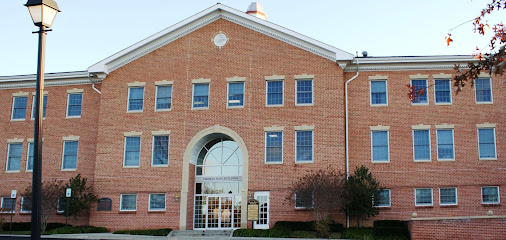
At a Glance
Location
120 South Hays Street, Bel Air, MD 21014
Phone
410-877-2341Primary Focus
Treatment Settings
Treatment Approaches
Special Programs
About Harford County Health Department Division of Behavioral Health
Harford County Health Department Division of Behavioral Health provides public health-based addiction treatment and mental health services through their outpatient program in Bel Air, Maryland. This community-focused recovery center serves adults, adolescents, and children with substance use disorders and co-occurring conditions.
Harford County Health Department Division of Behavioral Health operates as a public health department program offering outpatient addiction treatment in Bel Air, Maryland. Located at 4545 Crain Highway, this recovery center provides accessible substance abuse treatment through Harford County's public health system, serving the broader community with government-backed support services.
The facility specializes in outpatient programs designed for individuals seeking ongoing recovery support while maintaining their daily responsibilities. Their substance abuse treatment model addresses both single-diagnosis addiction issues and co-occurring disorders, allowing clients to participate in recovery programming during weekday business hours. The outpatient program structure supports long-term recovery goals while enabling participants to remain connected to their families and communities.
As part of the county health department system, the center takes a public health approach to addiction treatment, focusing on community wellness and accessible care delivery. Their treatment model addresses mental health conditions alongside substance use disorders, recognizing the interconnected nature of behavioral health challenges. This dual diagnosis capability ensures clients receive comprehensive care addressing all aspects of their recovery needs.
The recovery center serves adults, adolescents, and children throughout Harford County, accepting Medicaid to ensure treatment accessibility for diverse populations. Operating Monday through Friday from 8 AM to 5 PM, the facility provides structured weekday programming that fits into work and school schedules. Families seeking addiction treatment through Maryland's public health system can access services without the barriers often associated with private treatment facilities.
Outpatient Recovery Programs
The Division of Behavioral Health provides structured outpatient programs for individuals at various stages of their recovery journey. Operating Monday through Friday during business hours, the program allows participants to maintain work, school, and family commitments while receiving regular addiction treatment support. This schedule particularly benefits working adults and students who need consistent recovery programming without residential placement.
Outpatient treatment at this recovery center addresses both substance use disorders and mental health conditions through integrated programming. The facility's dual diagnosis approach recognizes that many individuals in recovery face overlapping behavioral health challenges requiring coordinated care. Participants can access ongoing support for co-occurring disorders while building long-term sobriety skills in a community-based setting.
Public Health Addiction Treatment Model
As part of Harford County's public health system, this recovery center operates with a community wellness focus rather than a profit-driven model. The public health approach emphasizes accessible care delivery and population-level outcomes, ensuring addiction treatment remains available regardless of economic circumstances. This government-backed structure provides stability and continuity often lacking in private treatment markets.
The facility accepts Medicaid, removing financial barriers that prevent many individuals from accessing addiction treatment. Public health department oversight ensures compliance with state and federal treatment standards while maintaining focus on community needs. This model particularly benefits families seeking long-term recovery support without the high costs associated with private residential treatment or intensive outpatient programs.
Family-Centered Recovery Services
Harford County's behavioral health division serves children, adolescents, and adults, recognizing that addiction affects entire families rather than isolated individuals. This comprehensive age range allows families to access coordinated care when multiple members need addiction treatment or mental health support. The multi-generational approach strengthens family recovery by addressing substance abuse patterns across age groups.
Located in Bel Air with service extending throughout Harford County, the facility connects families to local recovery resources and community support systems. The public health model emphasizes long-term community integration rather than short-term crisis intervention, helping families build sustainable recovery foundations within their existing social networks.
Why Choose Harford County Health Department Division of Behavioral Health
- Public health department program offering government-backed addiction treatment with community accountability
- Serves all age groups from children through adults in the same recovery center setting
- Medicaid acceptance ensures treatment accessibility for underserved populations in Harford County
- Weekday business hour schedule accommodates working adults and school-age participants
- Integrated mental health and substance abuse treatment under county health department oversight
Frequently Asked Questions
What types of outpatient addiction treatment does Harford County Health Department provide?
The Division of Behavioral Health offers outpatient programs for substance use disorders, mental health conditions, and co-occurring disorders. Their programming serves adults, adolescents, and children through weekday business hours, allowing participants to maintain work and school schedules while receiving ongoing recovery support.
Does this recovery center accept Medicaid for addiction treatment?
Yes, Harford County Health Department Division of Behavioral Health accepts Medicaid for their outpatient programs. As a public health department program, they focus on providing accessible addiction treatment regardless of economic circumstances.
What makes this different from private addiction treatment centers?
This facility operates as part of Harford County's public health system, providing government-backed addiction treatment with community accountability. The public health model emphasizes accessible care and population wellness rather than profit-driven services, often providing more stable long-term support for recovery.
Can families receive addiction treatment together at this facility?
The recovery center serves children, adolescents, and adults, allowing families to access coordinated behavioral health care when multiple members need support. This multi-generational approach addresses addiction as a family issue rather than treating individuals in isolation.
What are the operating hours for outpatient recovery programs?
The facility operates Monday through Friday from 8 AM to 5 PM, with weekend closure. This weekday schedule accommodates working adults and school-age participants who need consistent addiction treatment without disrupting employment or education commitments.
Does the center treat co-occurring mental health and substance abuse disorders?
Yes, the Division of Behavioral Health specializes in co-occurring disorders, treating both substance use disorders and mental health conditions simultaneously. This dual diagnosis approach provides integrated care for individuals facing overlapping behavioral health challenges.
What areas does Harford County's addiction treatment program serve?
The recovery center serves Bel Air and throughout Harford County, Maryland. As a county health department program, they focus on providing accessible addiction treatment to local residents within their public health jurisdiction.
How does public health addiction treatment differ from hospital-based programs?
Public health department addiction treatment emphasizes community integration and long-term population wellness rather than acute medical intervention. The model focuses on accessible outpatient programming that supports ongoing recovery within existing family and community networks.
Nearby Treatment Centers
DUI/DWI Education and Early Intervention Trt Program
Bel Air, MD
- Outpatient
Substance use treatment · Does not treat opioid addiction · Cognitive behavioral therapy
Accepts: Cash or self-payment

Turning Corners Inc
Bel Air, MD
- Outpatient
Substance use treatment · Accepts clients on opioid medication but prescribed elsewhere · Cognitive behavioral therapy
Accepts: Cash or self-payment

Ashley Addiction Treatment
Bel Air, MD
- Detox
- PHP
- IOP
- MAT
Substance use treatment · Accepts clients on opioid medication but prescribed elsewhere · SAMHSA-certified Opioid Treatment Program
Accepts: Cash or self-payment, Medicaid, Private health insurance
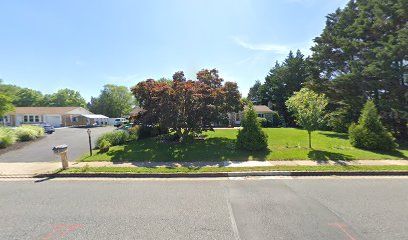
Homecoming Project Inc
Bel Air, MD
- Residential
- Sober Living
Substance use treatment · Does not use medication for opioid addiction · Cognitive behavioral therapy
Accepts: Cash or self-payment
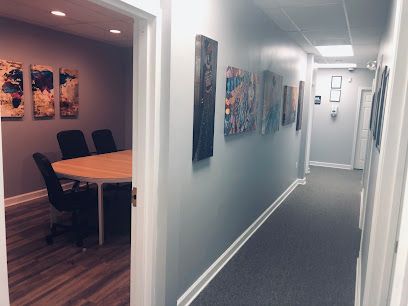
Veni Vidi Vici Treatment Services
Bel Air, MD
- Detox
- Outpatient
- MAT
Substance use treatment · All Clients in Opioid Treatment Program · SAMHSA-certified Opioid Treatment Program
Accepts: Cash or self-payment, Medicaid, Medicare
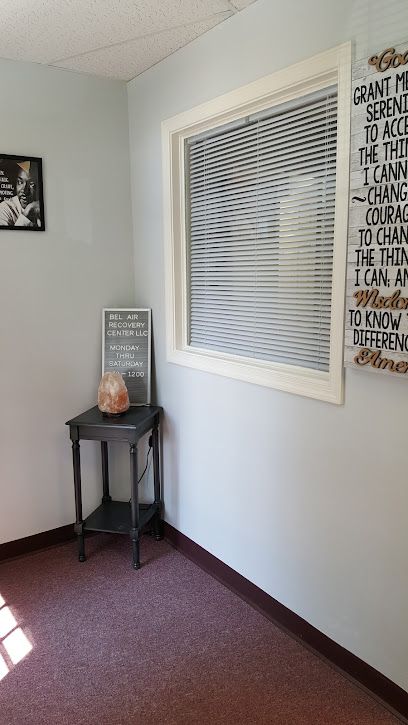
Assisted Recovery Centers of America/Mid Atlantic
Bel Air, MD
- Detox
- Outpatient
- MAT
Substance use treatment · All Clients in Opioid Treatment Program · Smoking not permitted
Accepts: Cash or self-payment