Sober Strategies Inc
Urbandale, IA
- Outpatient
Substance use treatment · Accepts clients on opioid medication but prescribed elsewhere · Cognitive behavioral therapy
Accepts: Cash or self-payment, Medicaid, Sliding fee scale


Find a free or private addiction rehab center in Iowa. Use our search-by-city tool to find recovery near you.
179 centers found (81–100)
Urbandale, IA
Substance use treatment · Accepts clients on opioid medication but prescribed elsewhere · Cognitive behavioral therapy
Accepts: Cash or self-payment, Medicaid, Sliding fee scale
Red Oak, IA
Substance use treatment · Does not treat opioid addiction · Cognitive behavioral therapy
Accepts: Cash or self-payment, Medicaid, State-financed health insurance plan other than Medicaid
Clinton, IA
Substance use treatment · Accepts clients on opioid medication but prescribed elsewhere · Cognitive behavioral therapy
Accepts: Cash or self-payment, Medicaid, Private health insurance
Spencer, IA
Substance use treatment · Accepts clients on opioid medication but prescribed elsewhere · Cognitive behavioral therapy
Accepts: Cash or self-payment, Medicaid, Private health insurance
Urbandale, IA
Substance use treatment · Accepts clients on opioid medication but prescribed elsewhere · Cognitive behavioral therapy
Accepts: Cash or self-payment, Medicaid, Medicare
Ottumwa, IA
Substance use treatment · Accepts clients on opioid medication but prescribed elsewhere · Cognitive behavioral therapy
Accepts: Cash or self-payment, Medicaid, Private health insurance
Perry, IA
Substance use treatment · Accepts clients on opioid medication but prescribed elsewhere · Cognitive behavioral therapy
Accepts: Cash or self-payment, Medicaid, Private health insurance
Keokuk, IA
Substance use treatment · Accepts clients on opioid medication but prescribed elsewhere · Cognitive behavioral therapy
Accepts: Cash or self-payment, Medicaid, Private health insurance
Mount Pleasant, IA
Substance use treatment · Accepts clients on opioid medication but prescribed elsewhere · Cognitive behavioral therapy
Accepts: Cash or self-payment, Medicaid, Private health insurance
Humboldt, IA
Substance use treatment · Accepts clients on opioid medication but prescribed elsewhere · Cognitive behavioral therapy
Accepts: Cash or self-payment, Medicaid, State-financed health insurance plan other than Medicaid
Ankeny, IA
Substance use treatment · Accepts clients on opioid medication but prescribed elsewhere · Cognitive behavioral therapy
Accepts: Cash or self-payment, Medicaid, State-financed health insurance plan other than Medicaid
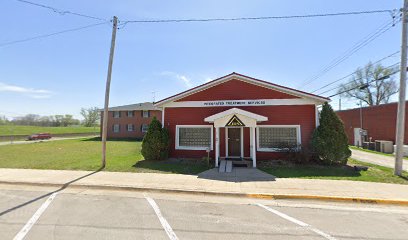
Newton, IA
Substance use treatment · Does not use medication for opioid addiction · Cognitive behavioral therapy
Accepts: Cash or self-payment, Medicaid, Medicare
Des Moines, IA
Substance use treatment · Accepts clients on opioid medication but prescribed elsewhere · Cognitive behavioral therapy
Accepts: Cash or self-payment, Medicaid, State-financed health insurance plan other than Medicaid
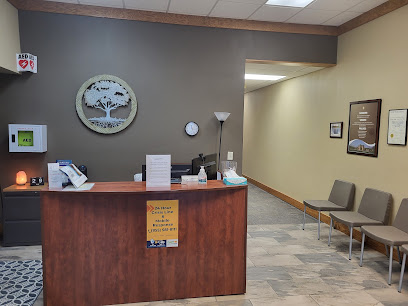
Hampton, IA
Substance use treatment · Does not treat opioid addiction · Cognitive behavioral therapy
Accepts: Cash or self-payment, Medicaid, Medicare
Davenport, IA
Substance use treatment · Accepts clients on opioid medication but prescribed elsewhere · Cognitive behavioral therapy
Accepts: Cash or self-payment, Medicaid, State-financed health insurance plan other than Medicaid
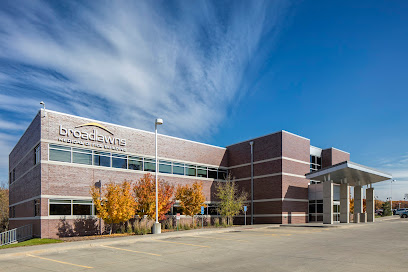
Des Moines, IA
Substance use treatment · Accepts clients on opioid medication but prescribed elsewhere · Cognitive behavioral therapy
Accepts: Cash or self-payment, Medicaid, Medicare

Davenport, IA
Substance use treatment · Accepts clients on opioid medication but prescribed elsewhere · Cognitive behavioral therapy
Accepts: Cash or self-payment, Medicaid, State-financed health insurance plan other than Medicaid
Fort Dodge, IA
Substance use treatment · Accepts clients on opioid medication but prescribed elsewhere · Cognitive behavioral therapy
Accepts: Cash or self-payment, Medicaid, State-financed health insurance plan other than Medicaid
Corydon, IA
Substance use treatment · Cognitive behavioral therapy · Dialectical behavior therapy
Accepts: Cash or self-payment, Medicaid, Medicare
Oelwein, IA
Substance use treatment · Accepts clients on opioid medication but prescribed elsewhere · Cognitive behavioral therapy
Accepts: Cash or self-payment, Medicaid, Medicare
Our sponsored hotline can help you compare treatment options and next steps.
Iowa's recovery picture is shaped by its geography as much as anything else. This is a state of 99 mostly rural counties, where an agricultural economy and long distances between towns mean the nearest treatment center can be an hour or more away for families outside the Des Moines and Cedar Rapids corridors. Methamphetamine has long been the drug most tied to Iowa's drug-related arrests and prison admissions, accounting for 71% of new drug-related prison commitments in fiscal year 2025, and stimulants now claim more lives in the state each year than opioids do — a pattern that sets Iowa apart from the opioid-dominated Northeast, even as fentanyl and other synthetic opioids drove a wave of overdose deaths that has only recently begun to recede. Farm-economy stress and the isolation of rural life add pressures that urban-focused coverage often overlooks, and in small towns the fear of being recognized keeps some people from seeking help close to home. Iowa expanded Medicaid in 2014 through the Iowa Health and Wellness Plan, widening the door to publicly funded care for low-income adults, and that expansion remains one of the most consequential policy facts for anyone weighing whether treatment is affordable at all. Of the 179 treatment centers listed here, most cluster in the metros, so the right fit depends on the substance involved, the severity of the dependence, and what you can realistically reach, not on which program markets itself hardest.
Sober Nation lists 179 treatment centers across Iowa, and they are not spread evenly. Des Moines, the capital, anchors the list with 18 centers, followed by Sioux City with 11 and Ames with 8. A middle tier of communities, Council Bluffs, Cedar Rapids, Davenport, and Ottumwa, each list 5, while Iowa City, Urbandale, and Waterloo each list 4. For much of rural Iowa, that concentration means the closest program may sit in one of these hubs rather than in your own county, which is worth planning around before you start calling, though telehealth has begun to soften those distances for some outpatient services.
Directory counts describe supply, not need. For the demand side, Iowa's rate of substance use disorder among residents — about 16.2% of people aged 12 or older, roughly one in six, in SAMHSA's 2022–2023 survey — and its treatment gap — the roughly 74% of people classified as needing substance use care in the past year who did not receive it — tell a fuller story. So does the state's drug overdose death rate, which at 13.7 deaths per 100,000 residents in 2024 ran well below the national rate of 23.1 and, mirroring a nationwide decline, fell that year. Read the directory as a map of the options near you, not as a measure of how many people across the state are affected.
Treatment is organized as a continuum, and the Iowa listings reflect where the state's capacity actually sits. Aftercare, offered by 96% of listed centers, is the ongoing support that follows a formal program, a reminder that recovery continues well past discharge. Outpatient care, at 93%, is scheduled counseling and group sessions you attend while living at home, the default entry point for most people and the most realistic option in rural areas. Medication-assisted treatment, or MAT, available at 40% of centers, pairs FDA-approved medications with counseling for opioid or alcohol use disorder, and telehealth check-ins have made it easier to reach in some rural counties. Many programs also screen for co-occurring mental health conditions, which is worth asking about up front if depression, anxiety, or trauma is part of the picture.
The more intensive levels are scarcer. Residential care, at 17%, means living on-site for a period of weeks under structured, round-the-clock supervision. Medically supervised detox, at just 12%, is the safe, monitored withdrawal that severe alcohol or opioid dependence often requires before any other treatment can begin. If detox or residential care is where you need to start, expect a shorter list, call ahead, and be prepared to travel, since bed availability changes daily and the highest-acuity services are the least common.
Cost is often the deciding factor, and public coverage in Iowa reaches further than many families expect. Among listed centers, 96% accept Medicaid and 35% accept Medicare, so if you are enrolled in either program, the large majority of Iowa facilities are financially within reach. Because Iowa expanded Medicaid under the Affordable Care Act, many low-income adults who were previously uninsured now qualify for coverage that includes substance use treatment as an essential health benefit. Federal parity law also requires most health plans to cover addiction and mental health care comparably to other medical care, though the specifics of what your plan approves can still be narrow. If you carry private or employer insurance, the same in-network questions apply, and marketplace plans sold in Iowa must also include substance use benefits.
Before you commit, verify your own plan, ask each center whether it is in-network, confirm which levels of care are covered, and ask what happens financially if you need a longer stay than expected. If you are uninsured, do not assume care is out of reach: ask about sliding-scale fees tied to income and about state-funded treatment services, which Iowa HHS oversees through a statewide network of licensed providers. No single question feels urgent on its own, but together they prevent the surprises that derail treatment later. Do your research, ask questions, and remember that you are your own best advocate.
If you are starting from scratch, a few Iowa-specific resources can point you in the right direction. The state's Single State Agency for behavioral health is the Iowa Department of Health and Human Services, which funds and oversees publicly supported substance use services statewide and can direct you to licensed, credentialed providers. Your Life Iowa is the state's own 24/7 helpline for alcohol, drug, gambling, and mental health concerns, offering confidential support by phone, text, and chat, along with referrals to nearby services; you can reach it at 855-581-8111. NAMI Iowa, the state chapter of the National Alliance on Mental Illness, provides education, peer-led support groups, and family resources for the co-occurring mental health needs that so often accompany substance use. Dialing 211 can also connect you with local community services and financial-assistance programs across the state. And any time you or someone you love is in crisis, the 988 Suicide and Crisis Lifeline is reachable by call or text, around the clock. Save these numbers before you need them, because in a crisis, having them already at hand matters.