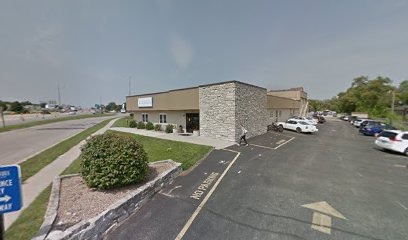
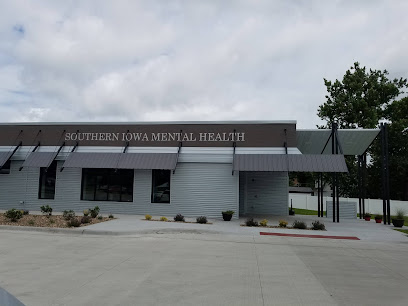
Sober Nation lists 179 treatment centers across Iowa, and they are not spread evenly. Des Moines, the capital, anchors the list with 18 centers, followed by Sioux City with 11 and Ames with 8. A middle tier of communities, Council Bluffs, Cedar Rapids, Davenport, and Ottumwa, each list 5, while Iowa City, Urbandale, and Waterloo each list 4. For much of rural Iowa, that concentration means the closest program may sit in one of these hubs rather than in your own county, which is worth planning around before you start calling, though telehealth has begun to soften those distances for some outpatient services.
Directory counts describe supply, not need. For the demand side, Iowa's rate of substance use disorder among residents — about 16.2% of people aged 12 or older, roughly one in six, in SAMHSA's 2022–2023 survey — and its treatment gap — the roughly 74% of people classified as needing substance use care in the past year who did not receive it — tell a fuller story. So does the state's drug overdose death rate, which at 13.7 deaths per 100,000 residents in 2024 ran well below the national rate of 23.1 and, mirroring a nationwide decline, fell that year. Read the directory as a map of the options near you, not as a measure of how many people across the state are affected.