

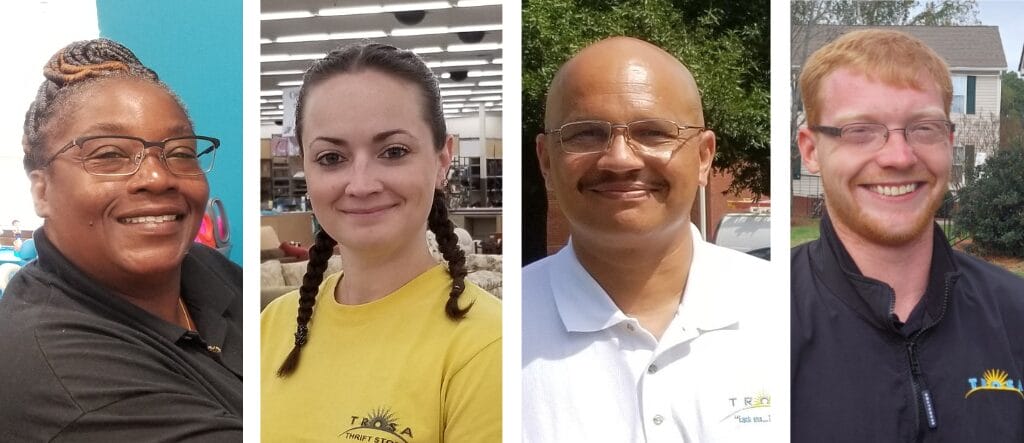
 1 / 3
1 / 3At a Glance
Primary Focus
Treatment Settings
Treatment Approaches
Special Programs
About Triangle Residential Options for Substance Abusers Inc (TROSA)
Triangle Residential Options for Substance Abusers (TROSA) provides cost-free residential treatment for substance use disorders in Durham, North Carolina. Since 1994, this addiction treatment center has offered multi-year recovery programs that include housing, meals, vocational training, and continuing care support.
Triangle Residential Options for Substance Abusers (TROSA) operates as a comprehensive residential treatment facility in Durham, North Carolina, serving the recovery community since 1994. This 501(c)(3) charity provides cost-free addiction treatment through an intensive residential program designed for individuals committed to long-term recovery from substance use disorders. Located at 1820 James Street in Durham County, TROSA represents a unique approach to recovery that extends far beyond traditional rehab models.
The recovery center specializes in residential treatment programs that span multiple years, allowing participants to build sustainable foundations for lasting sobriety. Unlike typical short-term residential treatment facilities, TROSA's extended program structure provides the time and stability needed for comprehensive personal transformation. This residential treatment model serves as both a recovery center and a structured sober living environment where participants can focus entirely on their healing without financial barriers.
TROSA's treatment approach incorporates Cognitive Behavioral Therapy (CBT) alongside comprehensive life skills development. The program includes vocational and life skills training, counseling and classes, health services, and mentorship opportunities. Participants receive free housing, meals, and clothing as part of the residential treatment experience. The recovery center also provides continuing care support to help alumni maintain their progress after completing the residential program.
This addiction treatment center serves men, women, and veterans, with specialized support for individuals dealing with trauma and PTSD. TROSA's multi-year commitment model attracts individuals seeking a recovery community that prioritizes long-term stability over quick fixes. The combination of cost-free treatment, extended program length, and comprehensive support services makes TROSA a distinctive option for people ready to invest in lasting recovery within a supportive residential environment.
Residential Treatment Programs at TROSA
TROSA's residential treatment programs operate on a multi-year timeline that sets them apart from traditional rehab facilities. Participants live on-site while engaging in comprehensive substance abuse treatment that addresses not just addiction but the underlying life skills needed for successful reintegration into society. The residential treatment model provides a stable, structured environment where individuals can focus entirely on recovery without external pressures.
The program combines residential treatment with practical training opportunities, allowing participants to develop vocational skills while receiving addiction treatment. This dual focus helps create a bridge between residential care and independent living, making TROSA both a recovery center and a launching pad for sustainable sobriety. The extended timeframe allows for deeper therapeutic work and more thorough preparation for life after residential treatment.
Cost-Free Recovery Center Services
As a 501(c)(3) charity, TROSA eliminates financial barriers to addiction treatment by providing completely cost-free residential programs. Participants receive free housing, meals, clothing, health services, and all treatment components without charge. This approach ensures that financial constraints don't prevent access to quality residential treatment and creates a recovery community where participants can focus solely on their healing process.
The recovery center also provides financial assistance resources and maintains its commitment to accessible care through charitable funding. This cost-free model extends to all aspects of the residential treatment experience, including counseling services, life skills training, and aftercare support, making TROSA a unique resource in the addiction treatment landscape.
Veterans and Trauma-Informed Care
TROSA specifically serves veterans alongside men and women seeking residential treatment for substance use disorders. The recovery center provides specialized support for individuals dealing with trauma and PTSD, recognizing the complex relationship between traumatic experiences and substance abuse. Veterans find a supportive recovery community that understands military experiences and the unique challenges they face in civilian recovery.
The residential treatment environment incorporates trauma-informed principles throughout the program structure. Mentorship opportunities connect participants with others who have navigated similar challenges, creating peer support networks that extend beyond the residential treatment phase. This specialized approach helps veterans and trauma survivors build lasting recovery foundations within a understanding recovery community.
Aftercare and Alumni Support
TROSA's commitment to participants extends beyond residential treatment through comprehensive continuing care services. The recovery center maintains connections with alumni to provide ongoing support as they transition to independent living and maintain their recovery in the broader community. This aftercare approach recognizes that recovery continues long after residential treatment ends.
The continuing care model helps participants maintain the skills and connections developed during their multi-year residential treatment experience. Alumni often return to mentor current participants, creating a robust recovery community that spans multiple generations of program graduates. This ongoing support network strengthens both individual recovery outcomes and the overall recovery community that TROSA has built over decades of service.
Why Choose Triangle Residential Options for Substance Abusers Inc (TROSA)
- Completely cost-free residential treatment with no financial barriers to entry
- Multi-year program structure allowing for comprehensive long-term recovery development
- Integrated vocational and life skills training as part of the residential treatment experience
- Comprehensive support including free housing, meals, clothing, and health services
- Specialized programming for veterans and trauma survivors within the recovery community
Frequently Asked Questions
What makes TROSA's residential treatment program different from other rehab facilities?
TROSA offers multi-year residential treatment that is completely cost-free, including housing, meals, clothing, and all services. This extended timeline allows for comprehensive recovery work and vocational training that goes beyond traditional short-term rehab models.
How long is the residential treatment program at TROSA?
TROSA provides multi-year residential treatment programs. The extended program length allows participants to build strong foundations for lasting recovery and develop practical life skills for successful reintegration into society.
What types of therapy and treatment approaches does TROSA use?
The recovery center incorporates Cognitive Behavioral Therapy (CBT) along with comprehensive counseling and classes. The residential treatment program also includes vocational and life skills training, health services, and mentorship opportunities as part of the overall approach.
Does TROSA serve veterans and people with trauma histories?
Yes, TROSA specifically serves veterans alongside men and women seeking addiction treatment. The recovery center provides specialized support for individuals dealing with trauma and PTSD within the residential treatment environment.
How much does treatment at TROSA cost?
TROSA provides completely cost-free residential treatment as a 501(c)(3) charity. Participants receive free housing, meals, clothing, health services, and all treatment components without charge, eliminating financial barriers to recovery.
What kind of aftercare support does TROSA provide?
The recovery center offers continuing care services to help alumni maintain their progress after completing residential treatment. This includes ongoing support and connections to the recovery community that TROSA has built over decades of operation.
What life skills training is included in TROSA's residential treatment?
The program includes comprehensive vocational and life skills training as part of the residential treatment experience. Participants develop practical skills for employment and independent living while receiving substance abuse treatment.
Where is TROSA located and what area does it serve?
TROSA is located at 1820 James Street in Durham, North Carolina. The recovery center primarily serves the Durham area and has been operating since 1994 as a residential treatment facility.
Nearby Treatment Centers
Carolina Community Support Services
Durham, NC
- IOP
Substance use treatment · Does not treat opioid addiction · Cognitive behavioral therapy
Accepts: Cash or self-payment, Medicaid, Military insurance
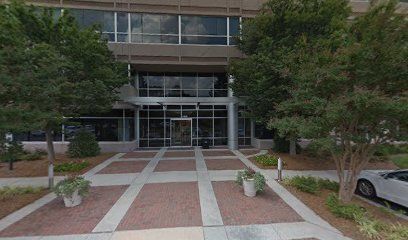
Reliable Health Services Inc
Durham, NC
- Detox
- Outpatient
- MAT
Substance use treatment · Cognitive behavioral therapy · Dialectical behavior therapy
Accepts: Cash or self-payment, Medicaid, Medicare
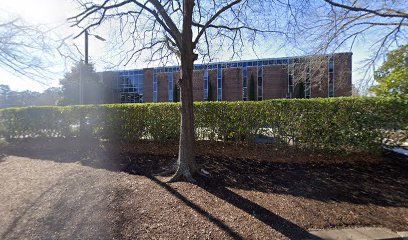
Community Alternative Inc/Comm Choices Cascade at Durham
Durham, NC
- Residential
- PHP
- IOP
Substance use treatment · Accepts clients on opioid medication but prescribed elsewhere · Cognitive behavioral therapy
Accepts: Medicaid, State-financed health insurance plan other than Medicaid, Private health insurance
El Futuro Inc
Durham, NC
- Outpatient
Substance use treatment · Does not treat opioid addiction · Cognitive behavioral therapy
Accepts: Cash or self-payment, Medicaid, Medicare
Strahl Nathan Robert
Durham, NC
- IOP
- MAT
Substance use treatment · Cognitive behavioral therapy · Substance abuse counseling
Accepts: Cash or self-payment, Medicaid, Medicare
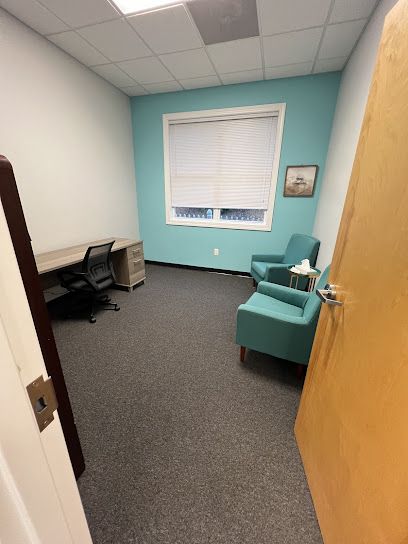
Eleanor Health Durham
Durham, NC
- Detox
- Outpatient
- MAT
Substance use treatment · Cognitive behavioral therapy · Substance abuse counseling
Accepts: Cash or self-payment, Medicaid, Medicare