NJ
Harmony Healing Center
Cherry Hill, NJ
Substance Abuse/Mental Health · Upscale Treatment Facility · Dual Diagnosis
Accepts: Insurance And Or Private Pay


Find a free or private addiction rehab center in New Jersey. Use our search-by-city tool to find recovery near you.
Cherry Hill, NJ
Substance Abuse/Mental Health · Upscale Treatment Facility · Dual Diagnosis
Accepts: Insurance And Or Private Pay
Chester (Township), NJ
Drug Rehab, Alcohol Rehab, Substance Abuse Treatment, Treatment For Co Occurring/Dual Diagnosis Disorders, Trauma Informed Care · Trauma Therapy, Evidence Based Treatments, Veterans Program, Healthcare Professionals Program, First Responders Program · Individual Therapy Sessions, Group Therapy Sessions, Medication Assisted Treatment, Cognitive Behavioral Therapy, Dialectical Behavioral Therapy, Family Therapy/Counseling, Couples Therapy/Counseling, Experiential Therapies, Holistic Therapy, Motivational Interviewing, Trauma Based Therapy, Recreational Therapy/Adventure Therapy, Music Therapy, Emdr, Yoga, Meditation, And Mindfulness
Freehold, NJ
Mental Health Primary, Substance Use Disorder Primary, Co Occuring · We Provide A Comprehensive And Holistic Approach To Healing The Mind, Body, And Spirit. Our Therapeutic Modalities Include Emdr, Rebt, Cbt, And Dbt. Additionally, We Have A Massage Therapist And A Biofeedback Machine Available For Client Use. Emphasizing Recovery, Avisa Leverages Various Pathways, Offering Exposure To Smart Recovery, 12 Step Programs, Refuge, And More. · Alumni Program, Long Term Aftercare Program
Accepts: We Accept Most Major Insurance Carriers. We Offer Cash Pay Options.
366 centers found (1–20)

Hammonton, NJ
Substance use treatment · Accepts clients on opioid medication but prescribed elsewhere · SAMHSA-certified Opioid Treatment Program
Accepts: Cash or self-payment, Medicaid, Private health insurance

Mays Landing, NJ
Substance use treatment · Accepts clients on opioid medication but prescribed elsewhere · Cognitive behavioral therapy
Accepts: Cash or self-payment, Medicaid, Medicare

Newark, NJ
Substance use treatment · Accepts clients on opioid medication but prescribed elsewhere · Cognitive behavioral therapy
Accepts: Cash or self-payment, Medicaid, Medicare

Marlboro, NJ
Substance use treatment · Cognitive behavioral therapy · Dialectical behavior therapy
Accepts: Cash or self-payment, Medicaid, State-financed health insurance plan other than Medicaid
Kearny, NJ
Substance use treatment · Accepts clients on opioid medication but prescribed elsewhere · Cognitive behavioral therapy
Accepts: Cash or self-payment, Medicaid, Medicare
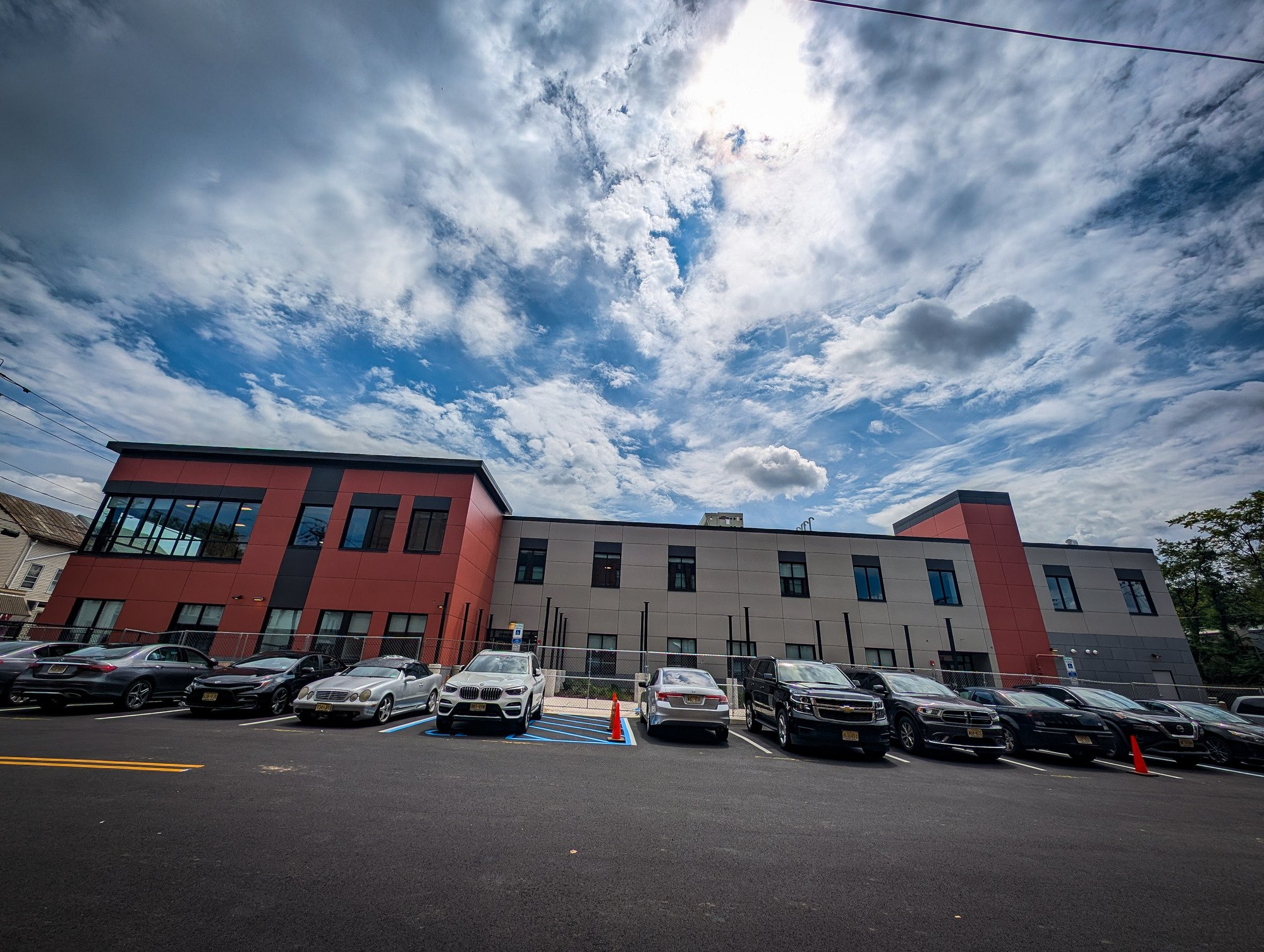
Paterson, NJ
Substance use treatment · Accepts clients on opioid medication but prescribed elsewhere · Cognitive behavioral therapy
Accepts: Medicaid, Medicare, State-financed health insurance plan other than Medicaid

Bridgewater, NJ
Substance use treatment · Accepts clients on opioid medication but prescribed elsewhere · Cognitive behavioral therapy
Accepts: Cash or self-payment, Medicaid, Medicare
Paterson, NJ
Substance use treatment · Accepts clients on opioid medication but prescribed elsewhere · Cognitive behavioral therapy
Accepts: Cash or self-payment, Medicaid, State-financed health insurance plan other than Medicaid

Middlesex, NJ
Substance use treatment · Accepts clients on opioid medication but prescribed elsewhere · SAMHSA-certified Opioid Treatment Program
Accepts: Cash or self-payment, Medicaid, Private health insurance

Freehold, NJ
Substance use treatment · Accepts clients on opioid medication but prescribed elsewhere · SAMHSA-certified Opioid Treatment Program
Accepts: Cash or self-payment, Medicaid, Private health insurance

Atlantic City, NJ
Substance use treatment · All Clients in Opioid Treatment Program · SAMHSA-certified Opioid Treatment Program
Accepts: Cash or self-payment, Medicaid, Medicare

Hackensack, NJ
Substance use treatment · Accepts clients on opioid medication but prescribed elsewhere · Cognitive behavioral therapy
Accepts: Cash or self-payment, Medicaid, Private health insurance
Newark, NJ
Substance use treatment · Accepts clients on opioid medication but prescribed elsewhere · Cognitive behavioral therapy
Accepts: Cash or self-payment, Medicaid, Private health insurance

Atlantic City, NJ
Substance use treatment · Cognitive behavioral therapy · Dialectical behavior therapy
Accepts: Cash or self-payment, Medicaid, Medicare

Lafayette, NJ
Substance use treatment · Accepts clients on opioid medication but prescribed elsewhere · Cognitive behavioral therapy
Accepts: Cash or self-payment, State-financed health insurance plan other than Medicaid, Private health insurance
Belle Mead, NJ
Substance use treatment · Cognitive behavioral therapy · Dialectical behavior therapy
Accepts: Cash or self-payment, Private health insurance, Military insurance

East Orange, NJ
Substance use treatment · SAMHSA-certified Opioid Treatment Program · Cognitive behavioral therapy
Accepts: Cash or self-payment, Private health insurance, Military insurance

Red Bank, NJ
Substance use treatment · Cognitive behavioral therapy · Dialectical behavior therapy
Accepts: Cash or self-payment, Medicaid, Medicare

Perth Amboy, NJ
Substance use treatment · Accepts clients on opioid medication but prescribed elsewhere · Cognitive behavioral therapy
Accepts: Cash or self-payment, Medicaid, Medicare

Neptune, NJ
Substance use treatment · All Clients in Opioid Treatment Program · SAMHSA-certified Opioid Treatment Program
Accepts: Cash or self-payment, Medicaid, Medicare
Our sponsored hotline can help you compare treatment options and next steps.
New Jersey is the most densely populated state in the country, and that density quietly shapes how treatment works here. For most residents, the barrier to care is rarely distance — a licensed program usually sits within a short drive — but rather sorting through crowded, overlapping options across the New York and Philadelphia metro areas that bracket the state. Wedged between two major trafficking corridors along the I-95 spine, New Jersey has felt the opioid and fentanyl crisis acutely, from its northern cities to its shore towns, where overdose deaths climbed above 3,100 in 2022 before beginning to fall in 2023 (New Jersey Department of Health). The state's response has been comparatively aggressive: a dedicated statewide addiction hotline, ReachNJ, standing orders that put naloxone in pharmacies, and expanded Medicaid eligibility through NJ FamilyCare. Recovery culture here is visible and deep-rooted, anchored by long-standing 12-step communities and university-based collegiate recovery programs such as the one at Rutgers. If you are looking for treatment for yourself or a loved one, the real question in New Jersey is usually not whether help exists nearby — it is how to choose well among the programs that do. This page is built to help you do exactly that.
Sober Nation lists 365 treatment centers across New Jersey, and they cluster where the population does. Newark leads with 17 listed centers, followed by Trenton with 11, then New Brunswick, Toms River, Paramus, and Flemington with 8 apiece. Freehold, Camden, and Paterson each list 7, and Cherry Hill lists 6. That distribution traces the state's population geography: the dense Newark–Paterson north, the Trenton–Camden corridor along the Philadelphia border, and shore communities like Toms River that were hit especially hard during the peak overdose years.
Statewide, about 15 percent (14.9%) of New Jersey residents aged 12 or older meet criteria for a substance use disorder in a given year, and roughly three-quarters — about 77% — of those who need substance use treatment do not receive it, the persistent gap between the people who need care and the people who actually get it (SAMHSA, 2022–2023 National Survey on Drug Use and Health). Overdose deaths — the majority of which now involve illicit fentanyl rather than prescription pills — declined for the first time in years in 2023, falling to 2,816 from 3,171 in 2022, with a further decrease reported in 2024 (New Jersey Department of Health). The 365 programs listed here span that full continuum of need, from medically supervised withdrawal to long-term outpatient counseling, which is why the raw count matters less than finding the right level of care for your situation.
Treatment is not a single thing, and where you start depends on how severe the substance use is and whether stopping poses a medical risk. Detox — medically supervised withdrawal — is offered by 17% of listed New Jersey centers. It is often the safest first step for alcohol, benzodiazepine, or opioid dependence, but on its own it is stabilization, not treatment. Residential, or inpatient, care is available at 13% of centers and provides round-the-clock structure for people who need to step fully away from their environment. The overwhelming majority — 90% — offer outpatient care, which lets you live at home while attending scheduled sessions that range from intensive day programs to a weekly check-in. Medication-assisted treatment (MAT), available at 63% of centers, combines FDA-approved medications such as buprenorphine or naltrexone with counseling and is considered the standard of care for opioid use disorder. Aftercare, also at 90%, supports recovery once formal treatment ends, through alumni groups, sober living, and ongoing counseling. Most people move through several of these levels over time rather than picking just one. A quality program will assess your situation and recommend a starting level rather than fitting you into whatever it happens to offer — if it does not, that is worth asking about.
Cost is the first question most families ask, and in New Jersey the answer often begins with public coverage. Sixty-eight percent of listed centers accept Medicaid, reflecting the state's choice to expand eligibility through NJ FamilyCare, which extended substance use coverage to many low-income adults who previously went without. Thirty percent accept Medicare, the main pathway for residents 65 and older or living with a long-term disability. If you carry private insurance, the federal Mental Health Parity and Addiction Equity Act generally requires health plans that cover addiction treatment to do so on par with other medical care (CMS), though the specific levels covered and the in-network programs vary widely from plan to plan. For residents with no coverage at all, New Jersey funds a share of treatment through its Division of Mental Health and Addiction Services and connects people to those resources through the ReachNJ helpline. Whatever your coverage, confirm the details before you commit: ask the program to verify your benefits in writing, and get clear on any deductible, copay, or length-of-stay limit before day one.
Several public and nonprofit organizations can help you find, vet, and pay for care in New Jersey:
If you are not sure where to begin, any one of these can point you toward an appropriate next step.