86 Drug & Alcohol Rehabs In Philadelphia, PA

Find drug and alcohol rehab centers in Philadelphia, PA and start your recovery today.

Drug and alcohol rehab centers in Philadelphia, PA

86 centers found (21–40)

3 mi

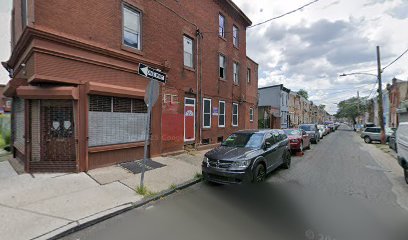
Gaudenzia Inc ReEntry House

Philadelphia, PA

  • Residential
  • MAT
  • Sober Living

Substance use treatment · Accepts clients on opioid medication but prescribed elsewhere · Cognitive behavioral therapy

Accepts: Cash or self-payment, Medicaid, State-financed health insurance plan other than Medicaid

3 mi
8.4 mi
2.6 mi
7 mi
3.3 mi
2 mi
4.4 mi
4.1 mi
1.4 mi
1.4 mi
1.4 mi
4.2 mi
1.4 mi
2.1 mi
1.4 mi
1.4 mi
3.5 mi
2.1 mi
4 mi
Self Help Movement Inc facility photo12 mi

Self Help Movement Inc

Philadelphia, PA

  • Residential
  • MAT
  • Sober Living

Substance use treatment · Accepts clients on opioid medication but prescribed elsewhere · Cognitive behavioral therapy

Accepts: Cash or self-payment, Medicaid, Private health insurance

12 mi

Do you need help finding rehab in Philadelphia, PA?

Call our sponsored hotline to speak with someone about treatment options near you.

Sober Nation lists 86 treatment centers in Philadelphia, giving people in the city a broad set of addiction-care options close to home. Philadelphia is both a city and a county, laid out from Center City and the neighborhoods along the Delaware and Schuylkill rivers out through North, South, and West Philadelphia, Fishtown, and the Northeast. The need here is real and visible — the opioid crisis has hit neighborhoods like Kensington especially hard, and recovery in this city often means finding help that fits a specific block, a specific commute, and a specific set of circumstances. This page is a practical guide to what those 86 programs actually offer: the kinds of care and counseling on the ground, how people pay for it, and where to look if the right fit happens to sit outside the city.

Levels of Care in Philadelphia

The clinical backbone across Philadelphia's listed programs is remarkably consistent. All 86 centers offer cognitive behavioral therapy (CBT) and screening for substance use, the intake step that points you toward the right kind of care. Nearly all of them provide the core counseling that recovery is built on: substance abuse counseling (85 centers), individual counseling (85), group counseling (83), motivational interviewing (85), and a comprehensive substance use assessment (82).

Beyond the basics, the depth is what stands out. 84 centers build in relapse prevention and aftercare or continuing care, and 84 include discharge planning, so support does not stop the day a program ends. 82 offer trauma-related counseling and 80 provide family counseling — important when addiction is tangled up with a household or a history. 79 screen for co-occurring mental health disorders, and 77 include naloxone and overdose education, a practical safeguard that matters a great deal in this city. Wraparound help is common too: 73 centers list housing services and 73 offer peer support or mentoring.

On program setting, 74 centers serve all genders, while 8 are women-only and 4 are men-only — worth knowing if a gender-specific environment matters to your recovery. One thing to confirm directly: if you specifically need medically supervised detox, residential or inpatient care, or medication-assisted treatment (buprenorphine, methadone, or naltrexone), call the center and verify it provides that level of care before you go, since the listings vary in what they offer beyond outpatient counseling.


Paying for Rehab in Philadelphia

Cost is usually the first real question, and Philadelphia's listings reflect several paths. 76 of the 86 centers accept Medicaid, which makes coverage through Pennsylvania's program a realistic option for a large share of residents. On top of that, 78 centers are connected to the state substance abuse agency, meaning they operate within Pennsylvania's publicly funded treatment system — often a route to lower-cost or grant-supported care for people without private insurance.

Most centers also take self-payment and bill private insurance, and many non-profit programs run sliding-fee scales tied to income. Always verify your specific plan and in-network status with the center directly before your first visit, and if cost is the obstacle, ask plainly about self-pay rates, sliding-scale fees, and payment plans — a good intake coordinator will walk you through the options over the phone. For how Pennsylvania Medicaid works, what the state covers, and other statewide programs, see our Pennsylvania rehab guide rather than guessing, since those details change over time and belong at the state level.

Traveling for Treatment and Nearby Options

Sometimes the right program is not in the city. A bed opens up sooner elsewhere, a specialized track fits better, or a little distance from familiar surroundings helps in early recovery. Pennsylvania gives you real alternatives beyond Philadelphia.

Other cities across the state with listed centers include Pittsburgh (35 centers), Erie (16), Lancaster (16), York (13), Washington (12), and the state capital, Harrisburg (11). Lancaster and York are within a reasonable drive; the western cities are farther but can be worth it for the right program. Many Philadelphia centers also offer telehealth counseling, which can bridge the gap while you wait for an in-person spot or if travel is hard. To browse every option statewide, start with our Pennsylvania rehab guide.

Frequently Asked Questions

How many rehabs are in Philadelphia?

Sober Nation lists 86 treatment centers in Philadelphia. All 86 offer CBT and substance use screening, and nearly all provide individual counseling (85), group counseling (83), relapse prevention (84), and aftercare (84). 74 serve all genders, 8 are women-only, and 4 are men-only.

Does Medicaid cover rehab in Philadelphia?

Many Philadelphia centers accept Medicaid — 76 of the 86 we list report accepting it, and 78 are connected to Pennsylvania's public treatment system. Whether a specific service is covered for you depends on your plan and the center, so confirm directly before starting. For how Pennsylvania's program works, see our Pennsylvania rehab guide.

What if I need to travel outside Philadelphia for treatment?

That is common and often a smart move. Cities elsewhere in Pennsylvania such as Lancaster (16 centers), York (13), and Harrisburg (11) have listed programs, and many Philadelphia centers offer telehealth. If you or someone you love is in immediate crisis, call or text 988 for free, confidential support any time.

Sources

  1. 1.Pennsylvania Medicaid coverage, statewide overdose context, and state treatment programs /rehab/pennsylvania
  2. 2.Find licensed, SAMHSA-verified treatment nationwide https://findtreatment.gov/
  3. 3.988 Suicide & Crisis Lifeline — free, confidential, 24/7 support https://988lifeline.org/