Sea Mar Behavioral Health Oak Harbor
Oak Harbor, WA
- IOP
- MAT
Substance use treatment · Accepts clients on opioid medication but prescribed elsewhere · Cognitive behavioral therapy
Accepts: Cash or self-payment, Medicaid, Medicare


Find drug and alcohol rehab centers in Oak Harbor, WA and start your recovery today.
4 centers found (1–4)
Oak Harbor, WA
Substance use treatment · Accepts clients on opioid medication but prescribed elsewhere · Cognitive behavioral therapy
Accepts: Cash or self-payment, Medicaid, Medicare
Oak Harbor, WA
Substance use treatment · Does not use medication for opioid addiction · Accepts clients on opioid medication but prescribed elsewhere
Accepts: Cash or self-payment, Medicaid, State-financed health insurance plan other than Medicaid
Oak Harbor, WA
Substance use treatment · Substance abuse counseling · Smoking not permitted
Accepts: Cash or self-payment, Medicaid, Medicare
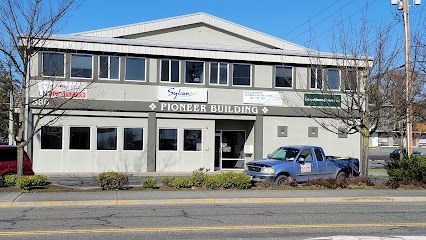 0.1 mi
 Oak Harbor, WA
Substance use treatment · Does not use medication for opioid addiction · Accepts clients on opioid medication but prescribed elsewhere
Accepts: Cash or self-payment, Private health insurance, Sliding fee scale
Call our sponsored hotline to speak with someone about treatment options near you.
Sober Nation lists 4 treatment centers in Oak Harbor, Washington. This Island County city sits on the Puget Sound in northwestern Washington, within reach of Seattle and other regional treatment hubs. If you or someone you know is struggling with substance use, treatment options are available locally. If you need options beyond what's here, nearby cities offer additional programs and care types.
All 4 treatment centers in Oak Harbor focus on outpatient care. Outpatient programs let you receive treatment during scheduled appointments while continuing to live at home and manage work, school, or family responsibilities. This format works well for people with strong community support, stable housing, and a commitment to recovery, and it's typically less expensive than residential programs. Here's what the centers in Oak Harbor offer:
All 4 centers serve people of all genders. If you need residential treatment, medical detoxification, medication-assisted treatment (such as buprenorphine, methadone, or naltrexone), or intensive inpatient care, the Oak Harbor listings may not include these services. Confirm with centers directly or explore options in nearby larger cities where more comprehensive programs are available.
All 4 treatment centers in Oak Harbor accept cash or self-payment, giving you flexibility if you're paying out of pocket. For those with insurance, three of the four centers accept Medicaid, three accept private health insurance, and three accept state-financed health insurance plans. This means most people have at least one payment option available locally.
When you call a center, ask specifically which insurance types they accept and whether they offer sliding-scale or reduced fees. Cost should never be the reason someone skips treatment. Many treatment providers work with uninsured clients on a case-by-case basis.
For details about Washington Medicaid coverage, eligibility requirements, and financial assistance programs available through the state, see the Washington rehab guide. You may qualify for Medicaid even if you're not currently employed, and Washington funds treatment slots through various state programs designed to remove barriers to recovery.
If you want more treatment options, are searching for a specific type of care, or prefer to travel, several larger cities nearby have significantly more treatment centers available. Seattle has 56 centers, making it the largest treatment hub in the region. Spokane has 40 centers, and Tacoma has 24. Smaller nearby cities also have meaningful options: Vancouver (16), Yakima (16), and Olympia (15).
Distance doesn't have to be an obstacle to treatment. Many programs now offer telehealth services, which means you can participate in counseling, psychiatric appointments, and group therapy through video or phone calls. This is especially helpful if you're in a rural area, have transportation challenges, or have a work or family schedule that makes frequent in-person travel difficult. When you call a treatment center, ask whether they offer telehealth options and whether any sessions could be done remotely.
If you're facing a crisis or immediate thoughts of suicide, call 988 for the Suicide and Crisis Lifeline, available 24/7.