Across Miami's listed programs, outpatient care is the backbone. 54 centers offer outpatient treatment and 54 provide regular (standard) outpatient services, meaning you attend scheduled sessions while continuing to live at home — the practical place to start for many people balancing work, school, or family. Nearly every program builds in substance use education (58 centers) and structured discharge planning (55).
The clinical services behind that care are consistent across the city. 57 centers offer screening for substance use and 55 provide a comprehensive assessment — the intake step that matches you to the right level of care. From there, common offerings include individual counseling (all 58 centers), group counseling (51), cognitive behavioral therapy (CBT) (54), relapse prevention (54), motivational interviewing (51), family counseling (53), and trauma-related counseling (52). For co-occurring conditions, 49 centers provide mental health services, 52 screen for mental disorders, and 46 offer a comprehensive mental health assessment. Support also tends to continue past discharge, with aftercare and continuing care at 49 centers and case management at 49.
On program setting, 56 centers serve all genders and 2 are women-only — worth knowing if a gender-specific environment matters to your recovery. And because Miami is a bilingual city, the 53 centers offering care in Spanish are a genuine asset for Spanish-speaking families. If you specifically need medically supervised detox, residential or inpatient care, or medication-assisted treatment (buprenorphine, methadone, or naltrexone), check each listing's details to confirm the center provides it before you call, since Miami's listings skew heavily toward outpatient care.


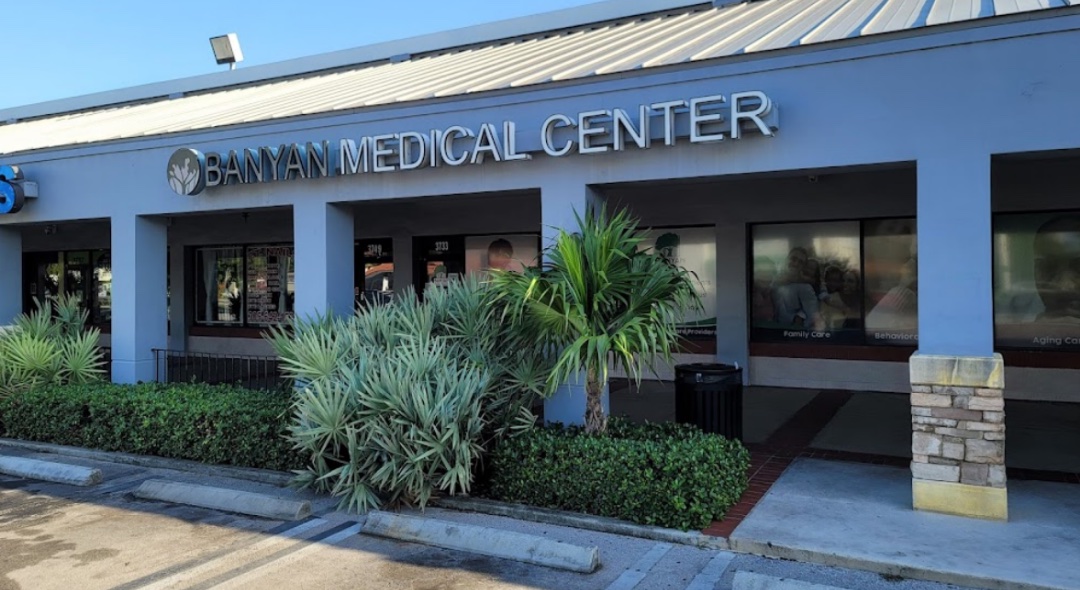 0.8 mi