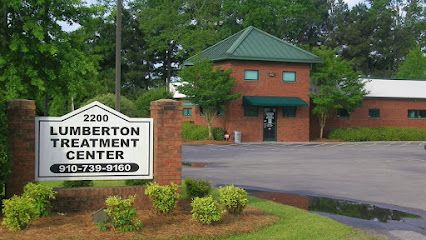
The clinical core across Lumberton's listed programs is consistent. All 13 centers provide substance use treatment, substance abuse counseling, individual counseling, and group counseling, along with screening for substance use (13), substance use education (13), and drug or alcohol urine screening (13). Most go further into the tools recovery leans on: 12 centers offer cognitive behavioral therapy (CBT), motivational interviewing, and relapse prevention, and 12 begin with a comprehensive substance use assessment to shape a plan at intake. Support meant to last past a program is common too: 11 centers provide aftercare or continuing care, alongside brief intervention (11), anger management (11), and discharge planning (12).
Outpatient care is the setting you will find here: 11 centers offer outpatient treatment and 10 provide regular (standard) outpatient services, meaning you attend scheduled sessions while continuing to live at home — a workable place to start for many people balancing work, family, or a long drive. For those managing more than substance use, 10 centers offer mental health services, 9 provide medications for psychiatric disorders, and 9 include family counseling, with case management at 9, housing services at 10, social skills development at 10, and transportation assistance at 9 — a real help when appointments are miles away.
On program setting, 10 centers serve all genders, while 2 are women-only and 1 is men-only — worth knowing if a gender-specific environment matters to your recovery. One thing to confirm directly: Lumberton's listings center on outpatient counseling, so if you specifically need medically supervised detox, residential or inpatient care, a partial hospitalization or intensive outpatient (IOP) track, or medication-assisted treatment such as buprenorphine or methadone, those levels are not reflected in this data. Call ahead and confirm with the listing that a program offers that level of care before you go.


 0.9 mi