36 Drug & Alcohol Rehabs In Charlotte, NC

Find drug and alcohol rehab centers in Charlotte, NC and start your recovery today.

Drug and alcohol rehab centers in Charlotte, NC

36 centers found (1–20)

10.3 mi
3.7 mi
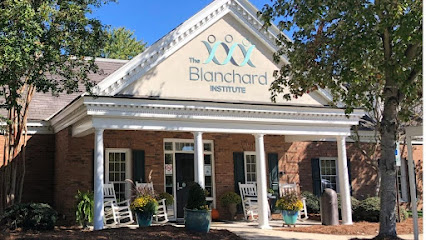
Blanchard Institute facility photo8.2 mi

Blanchard Institute

Charlotte, NC

  • Detox
  • PHP
  • IOP
  • MAT

Substance use treatment · Accepts clients on opioid medication but prescribed elsewhere · Cognitive behavioral therapy

Accepts: Cash or self-payment, Private health insurance, Military insurance

8.2 mi
5.7 mi
4.5 mi
5 mi

Genesis Project 1 Inc

Charlotte, NC

  • IOP
  • MAT

Substance use treatment · Accepts clients on opioid medication but prescribed elsewhere · Cognitive behavioral therapy

Accepts: Cash or self-payment, Medicaid, Medicare

5 mi
10.8 mi
3 mi
5 mi

Amara Wellness

Charlotte, NC

  • IOP
  • MAT

Substance use treatment · Does not treat opioid addiction · Cognitive behavioral therapy

Accepts: Cash or self-payment, Medicaid, Medicare

5 mi
4.3 mi
1.4 mi
10.5 mi
7.6 mi
4 mi
8.2 mi
Dilworth Center facility photo2 mi

Dilworth Center

Charlotte, NC

  • IOP

Substance use treatment · Accepts clients on opioid medication but prescribed elsewhere · Cognitive behavioral therapy

Accepts: Cash or self-payment, Private health insurance

2 mi
1.3 mi
1.3 mi
0.3 mi
3.7 mi

Do you need help finding rehab in Charlotte, NC?

Call our sponsored hotline to speak with someone about treatment options near you.

Sober Nation lists 36 treatment centers in Charlotte, giving people across the Queen City a solid set of addiction-care options close to home. Charlotte is the largest city in North Carolina and the seat of Mecklenburg County, spread across the rolling Piedmont just north of the South Carolina line. From the banking towers of Uptown out to neighborhoods like NoDa, Plaza Midwood, and South End, the city has grown fast — and the need for local recovery care has grown with it. This page is a practical guide to what those 36 programs actually offer: the levels of care and counseling on the ground, how people pay for treatment, and where to look if the right fit happens to sit outside the city.

Levels of Care in Charlotte

The clinical backbone across Charlotte's listed programs is consistent. All 36 centers offer substance abuse counseling, and nearly all provide the core steps recovery is built on: screening for substance use (35 centers), a comprehensive substance use assessment (34), individual counseling (34), and motivational interviewing (34). From there, common offerings include cognitive behavioral therapy (CBT) (32 centers), relapse prevention (33), substance use education (34), group counseling (31), and discharge planning (33), so support does not stop the day a program ends.

Outpatient care is the most common setting here: 30 centers offer outpatient treatment and 27 provide regular (standard) outpatient services, meaning you attend scheduled sessions while continuing to live at home — the practical place to start for many people balancing work, school, or family. For those managing more than substance use, 27 centers screen for mental disorders and 23 treat co-occurring mental and substance use disorders, with case management at 22, aftercare or continuing care at 23, and 12-step facilitation at 24.

On program setting, 32 centers serve all genders, while 3 are women-only and 1 is men-only — worth knowing if a gender-specific environment matters to your recovery. One thing to confirm directly: if you specifically need medically supervised detox, residential or inpatient care, or medication-assisted treatment (buprenorphine, methadone, or naltrexone), Charlotte's listings center on outpatient counseling, so call ahead and confirm with the listing that it provides that level of care before you go.


Paying for Rehab in Charlotte

Cost is usually the first real question, and Charlotte's listings reflect several paths. 32 of the 36 centers accept cash or self-payment, and 25 bill private health insurance — so if you carry a commercial plan, most programs can work with it. Always verify your specific plan and in-network status with the center before your first visit, and if cost is the obstacle, ask plainly about self-pay rates, sliding-scale fees tied to income, and payment plans — a good intake coordinator will walk you through the options.

Medicaid is worth understanding here, because North Carolina expanded Medicaid in December 2023, opening eligibility to many low-income adults who previously did not qualify. That change makes public coverage a realistic option for far more Charlotte residents than it was a few years ago, though whether a specific service is covered still depends on your plan and the center. Rather than guessing, see our North Carolina rehab guide for how the state's Medicaid program works, what it covers, and other statewide funding options — those details change over time and belong at the state level.

Traveling for Treatment and Nearby Options

Sometimes the right program is not in the city — a bed opens up sooner elsewhere, a specialized track fits better, or a little distance from familiar surroundings helps in early recovery. North Carolina gives you real alternatives beyond Charlotte, and the Piedmont's interstates make many an easy drive.

Up I-85 toward the Triad, Greensboro (29 centers) is about an hour and a half away, and the Triangle cities of Durham (26) and Raleigh (26) sit two to three hours east. Fayetteville (25) lies to the southeast, while Wilmington (23) on the coast and Asheville (22) in the mountains are longer trips worth considering for the right program. Charlotte also sits on the South Carolina line, so some residents look just across the border. Many Charlotte centers offer telehealth counseling, which can bridge the gap while you wait for an in-person spot or if travel is hard. To browse every option statewide, start with our North Carolina rehab guide.

Frequently Asked Questions

How many rehabs are in Charlotte?

Sober Nation lists 36 treatment centers in Charlotte. All 36 offer substance abuse counseling, and nearly all provide substance use screening (35), a comprehensive assessment (34), individual counseling (34), CBT (32), and relapse prevention (33). Outpatient care is the most common setting, 32 centers serve all genders, 3 are women-only, and 1 is men-only.

Does Medicaid cover rehab in Charlotte?

It can, and your odds improved recently — North Carolina expanded Medicaid in December 2023, extending eligibility to many more adults. Whether a specific service is covered still depends on your plan and the center, so confirm directly before starting. Among our Charlotte listings, 32 centers accept cash or self-payment and 25 bill private insurance if Medicaid does not apply. For how North Carolina's program works, see our North Carolina rehab guide.

What if I need to travel outside Charlotte for treatment?

That is common and often a smart move. Cities elsewhere in North Carolina such as Greensboro (29 centers), Durham (26), and Raleigh (26) have listed programs within a manageable drive, and many Charlotte centers offer telehealth. If you or someone you love is in immediate crisis, call or text 988 for free, confidential support any time.

Sources

  1. 1.North Carolina Medicaid coverage (expanded December 2023), statewide funding, and state treatment programs /rehab/north-carolina
  2. 2.Find licensed, SAMHSA-verified treatment nationwide https://findtreatment.gov/
  3. 3.988 Suicide & Crisis Lifeline — free, confidential, 24/7 support https://988lifeline.org/