Community Bridges Inc
Phoenix, AZ
- Detox
- IOP
- MAT
Substance use treatment · SAMHSA-certified Opioid Treatment Program · Cognitive behavioral therapy
Accepts: Cash or self-payment, Medicaid, Medicare


Find a free or private addiction rehab center in Arizona. Use our search-by-city tool to find recovery near you.
404 centers found (1–20)
Phoenix, AZ
Substance use treatment · SAMHSA-certified Opioid Treatment Program · Cognitive behavioral therapy
Accepts: Cash or self-payment, Medicaid, Medicare

Phoenix, AZ
Substance use treatment · Cognitive behavioral therapy · Dialectical behavior therapy
Accepts: Cash or self-payment, Medicaid, State-financed health insurance plan other than Medicaid

Tucson, AZ
Substance use treatment · Accepts clients on opioid medication but prescribed elsewhere · Cognitive behavioral therapy
Accepts: Cash or self-payment, Medicaid, Medicare
Phoenix, AZ
Substance use treatment · Cognitive behavioral therapy · Dialectical behavior therapy
Accepts: Cash or self-payment, Medicaid, Medicare
Mesa, AZ
Substance use treatment · Accepts clients on opioid medication but prescribed elsewhere · Cognitive behavioral therapy
Accepts: Cash or self-payment, Medicaid, Medicare
Casa Grande, AZ
Substance use treatment · Accepts clients on opioid medication but prescribed elsewhere · Cognitive behavioral therapy
Accepts: Cash or self-payment, Medicaid, Medicare
Page, AZ
Substance use treatment · Accepts clients on opioid medication but prescribed elsewhere · Cognitive behavioral therapy
Accepts: Cash or self-payment, Medicaid, Medicare
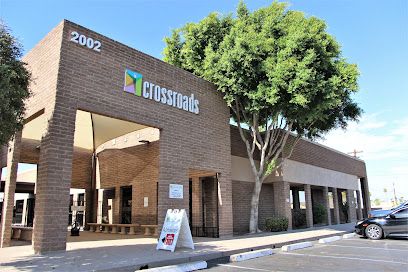
Phoenix, AZ
Substance use treatment · Accepts clients on opioid medication but prescribed elsewhere · Cognitive behavioral therapy
Accepts: Cash or self-payment, Medicaid, State-financed health insurance plan other than Medicaid
Avondale, AZ
Substance use treatment · SAMHSA-certified Opioid Treatment Program · Cognitive behavioral therapy
Accepts: Cash or self-payment, Medicaid, Medicare
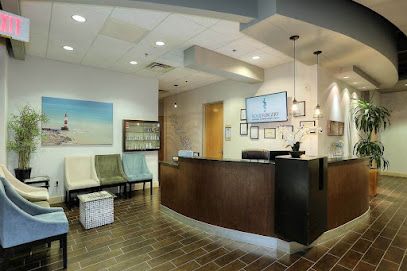
Scottsdale, AZ
Substance use treatment · Accepts clients on opioid medication but prescribed elsewhere · Cognitive behavioral therapy
Accepts: Cash or self-payment, Private health insurance
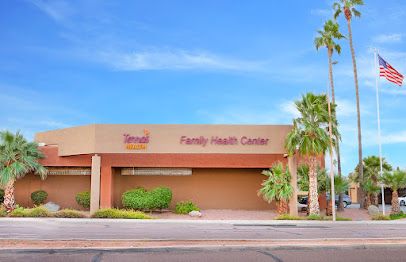
Phoenix, AZ
Substance use treatment · Cognitive behavioral therapy · Dialectical behavior therapy
Accepts: Cash or self-payment, Medicaid, Medicare
Phoenix, AZ
Substance use treatment · Accepts clients on opioid medication but prescribed elsewhere · Cognitive behavioral therapy
Accepts: Cash or self-payment, Medicaid, State-financed health insurance plan other than Medicaid

Prescott Valley, AZ
Substance use treatment · Accepts clients on opioid medication but prescribed elsewhere · All Clients in Opioid Treatment Program
Accepts: Cash or self-payment, Medicaid, Medicare
Phoenix, AZ
Substance use treatment · Does not treat opioid addiction · Cognitive behavioral therapy
Accepts: Cash or self-payment, Medicaid, Medicare
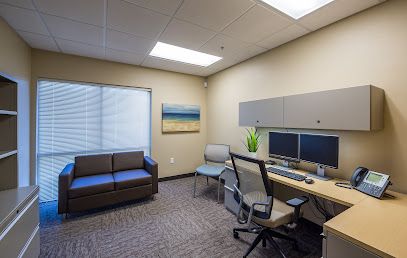
Tucson, AZ
Substance use treatment · SAMHSA-certified Opioid Treatment Program · Cognitive behavioral therapy
Accepts: Cash or self-payment, Medicaid, Medicare
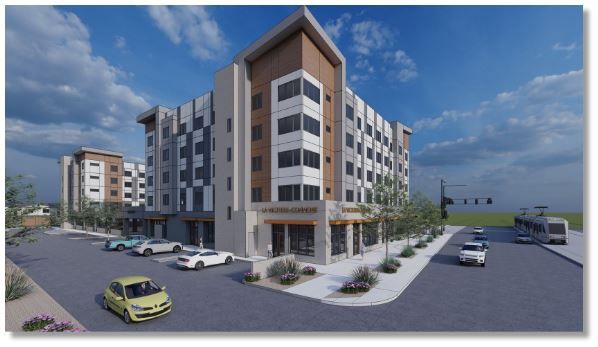
Mesa, AZ
Substance use treatment · Accepts clients on opioid medication but prescribed elsewhere · Cognitive behavioral therapy
Accepts: Cash or self-payment, Medicaid, Medicare
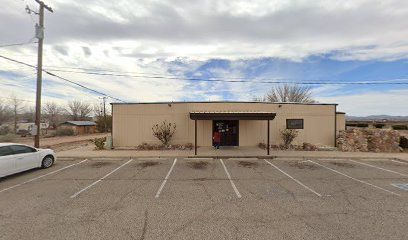
Yuma, AZ
Substance use treatment · Accepts clients on opioid medication but prescribed elsewhere · Cognitive behavioral therapy
Accepts: Cash or self-payment, Medicaid, Medicare
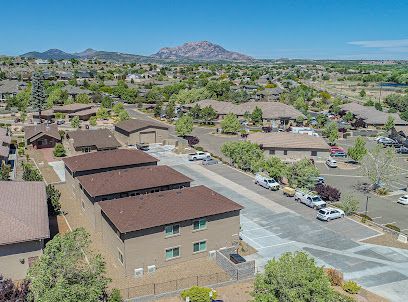
Prescott Valley, AZ
Substance use treatment · Accepts clients on opioid medication but prescribed elsewhere · Cognitive behavioral therapy
Accepts: Cash or self-payment, State-financed health insurance plan other than Medicaid, Private health insurance

Prescott, AZ
Substance use treatment · Accepts clients on opioid medication but prescribed elsewhere · Cognitive behavioral therapy
Accepts: Cash or self-payment, Private health insurance, Sliding fee scale
Prescott, AZ
Substance use treatment · Cognitive behavioral therapy · Dialectical behavior therapy
Accepts: Cash or self-payment, Private health insurance, Active duty military
Our sponsored hotline can help you compare treatment options and next steps.
Arizona's approach to addiction treatment is shaped by geography as much as by policy. The Sonoran Desert separates dense metro corridors like Phoenix and Tucson from vast rural counties and tribal communities where the nearest licensed facility can sit hours away, which makes questions of access — not only quality — central for many families here. As a state sharing a long southern border with Mexico, Arizona sits along a primary trafficking corridor for fentanyl and methamphetamine — the DEA identifies Arizona and California ports of entry as the main gateways for both drugs into the United States (DEA National Drug Threat Assessment, 2025) — a reality that has pushed both stimulant and opioid treatment to the front of the state's response.
Arizona also runs its Medicaid program under a distinctive name — the Arizona Health Care Cost Containment System, or AHCCCS (pronounced “access”) — and expanded eligibility under the Affordable Care Act in 2014, covering adults up to 138% of the federal poverty level (KFF) and widening the pool of residents who can reach covered treatment. In towns like Prescott, meanwhile, a long-standing concentration of sober-living homes and recovery-oriented services has given parts of the state a recovery culture that draws people from well beyond Arizona's borders. For someone deciding where to start, those three forces — distance, cross-border supply, and an established recovery community — shape almost every option on the table.
Sober Nation currently lists 404 treatment centers across Arizona, and they cluster heavily in the state's population centers. Phoenix alone accounts for 80 listed facilities and Tucson 65, followed by Mesa with 25, Scottsdale with 19, and Prescott with 17. Smaller but meaningful counts appear in Yuma (13) and Tempe (12), while Glendale, Casa Grande, and Prescott Valley each list 11. That distribution mirrors where most Arizonans live, but it also underscores how thin coverage can become in the rural stretches and on the tribal lands that lie between the metros. For families outside the Phoenix and Tucson areas, that gap often means weighing travel against local outpatient or telehealth options.
Statewide prevalence data adds context these listings alone can't provide. An estimated 18.6% of Arizonans aged 12 or older — roughly 1 in 5 — met criteria for a substance use disorder in the past year (SAMHSA NSDUH, 2022–2023), and only a fraction receive specialty treatment. Among Arizonans classified as needing substance use treatment, about 74% did not receive it (SAMHSA NSDUH, 2022–2023) — the persistent “treatment gap” that affects nearly every state. On the harm side, Arizona recorded 1,928 opioid overdose deaths in 2023, a rate of 25.6 per 100,000 residents, with illicit fentanyl the leading driver (Arizona Department of Health Services, 2023); provisional CDC data show total drug overdose deaths then eased from about 2,780 in 2023 to roughly 2,539 in 2024, mirroring a national decline, though deaths remain well above pre-pandemic levels. Read together, the figures describe strong urban supply set against real and ongoing unmet need.
Most people don't need every level of care, but understanding what each one does helps you find the right entry point. Outpatient care is by far the most widely available option in Arizona — 84% of listed centers offer it — allowing you to attend treatment while living at home, which fits milder cases or a step down from more intensive care. Detox, offered by 27% of centers, provides medically supervised withdrawal and is often the first stop when physical dependence is severe enough to make quitting dangerous on your own. Residential, or inpatient, programs — available at 20% of centers — provide 24-hour structured care away from everyday triggers.
Medication-assisted treatment (MAT), offered by 61% of listed facilities, pairs FDA-approved medications such as buprenorphine or naltrexone with counseling, and is considered a standard of care for opioid and alcohol use disorders. Finally, 83% of centers provide aftercare — the ongoing support, from alumni groups to continued therapy, that helps protect early recovery once a primary program ends. Because programs frequently overlap, these percentages add up to well over 100%: many Arizona facilities span several levels at once, so you can often move between them without switching providers.
Cost is often the first barrier families raise, and in Arizona the coverage picture is comparatively broad. Among listed centers, 78% accept Medicaid — here administered through AHCCCS — and 52% accept Medicare, meaning a large share of facilities work with public insurance rather than private pay alone. Because Arizona expanded Medicaid eligibility under the Affordable Care Act in 2014 (KFF), many low-income adults who once fell through the cracks now qualify for covered behavioral health services, including substance use treatment. Federal parity law — the Mental Health Parity and Addiction Equity Act — also requires most health plans that cover behavioral health to do so on terms comparable to other medical care (CMS), though exactly what's covered still varies plan by plan.
If you're uninsured or underinsured, don't assume treatment is out of reach. Ask facilities directly about sliding-scale fees, state-funded treatment slots, and programs supported by SAMHSA's Substance Use Block Grant, which AHCCCS administers for Arizona (AHCCCS). Whatever your coverage, confirm your specific benefits — deductibles, prior authorization, in-network status — before admission. Details change from year to year, and verifying up front is the simplest way to avoid a surprise bill during an already hard time.
A few Arizona-specific starting points can help you find licensed care and support at no cost:
These are entry points, not the only ones — county health departments and tribal health programs also maintain their own referral lines. If you're unsure where to begin, any one of them can point you toward local, licensed resources and help you understand what your next step might look like.