 1.2 mi
 Family Services of the Piedmont
High Point, NC
- Outpatient
- MAT
Substance use treatment · Accepts clients on opioid medication but prescribed elsewhere · Cognitive behavioral therapy
Accepts: Cash or self-payment, Medicaid, Medicare

Find drug and alcohol rehab centers in High Point, NC and start your recovery today.
7 centers found (1–7)
1.2 mi High Point, NC
Substance use treatment · Accepts clients on opioid medication but prescribed elsewhere · Cognitive behavioral therapy
Accepts: Cash or self-payment, Medicaid, Medicare
 0.8 mi
 High Point, NC
Substance use treatment · Cognitive behavioral therapy · Substance abuse counseling
Accepts: Cash or self-payment, Medicaid, Medicare
High Point, NC
Substance use treatment · Does not treat opioid addiction · Cognitive behavioral therapy
Accepts: Cash or self-payment, Medicaid, State-financed health insurance plan other than Medicaid
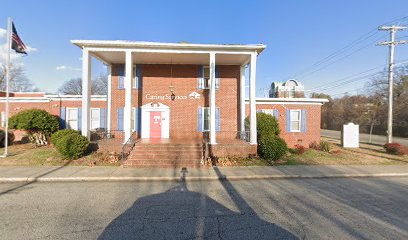 1.2 mi
 High Point, NC
Substance use treatment · Does not use medication for opioid addiction · Cognitive behavioral therapy
Accepts: Cash or self-payment, Medicaid, Sliding fee scale
 5.4 mi
 High Point, NC
Substance use treatment · Does not use medication for opioid addiction · Cognitive behavioral therapy
Accepts: Medicaid, Payment assistance
 3.2 mi
 High Point, NC
Substance use treatment · Accepts clients on opioid medication but prescribed elsewhere · Cognitive behavioral therapy
Accepts: Cash or self-payment, Medicaid, Medicare
High Point, NC
Substance use treatment · Accepts clients on opioid medication but prescribed elsewhere · Cognitive behavioral therapy
Accepts: Cash or self-payment, Medicaid, State-financed health insurance plan other than Medicaid
Call our sponsored hotline to speak with someone about treatment options near you.
Sober Nation lists 7 treatment centers in High Point, North Carolina. High Point sits in the Piedmont region of central North Carolina. The city offers access to substance use treatment and recovery support through centers providing counseling, mental health services, and aftercare planning.
The 7 treatment centers in High Point offer these levels of care and services:
All 7 centers serve clients of all genders.
Outpatient programs allow people to live at home while attending sessions, which is essential for those working, attending school, or managing family responsibilities. Individual counseling provides one-on-one work with a therapist on your specific situation and goals. Group counseling offers peer support and shared learning from others in recovery, and many people benefit from combining both approaches.
Cognitive behavioral therapy and motivational interviewing are evidence-based methods available at all centers. CBT helps identify and change thought patterns and behaviors linked to substance use. Motivational interviewing focuses on building your own reasons for change, drawing on your existing values and goals.
Family counseling at 5 centers can help repair relationships and involve loved ones in recovery. Trauma-related counseling at 6 centers addresses the common connection between trauma and substance use.
If you need residential inpatient care, detoxification, medication-assisted treatment (buprenorphine, methadone, or naltrexone), intensive outpatient programming (IOP), sober living facilities, or dialectical behavior therapy (DBT), confirm with the centers, as these services may not be listed in the directory.
Payment barriers prevent many people from accessing care. High Point's centers accept multiple payment methods:
If you have Medicaid or are exploring coverage options, North Carolina offers specific programs to support people in recovery. For details on state programs, coverage rules, eligibility, and how to apply, see the North Carolina rehab guide.
If you have private insurance, contact your plan to confirm which High Point centers are in-network and whether prior authorization is required before starting treatment. Ask about copays, deductibles, and any limits on the number of sessions covered per year.
If paying out-of-pocket, treatment cost is a legitimate concern. Ask centers about payment plans that spread costs over time, sliding scales based on income, and any discounts for upfront payment. Some centers also partner with nonprofits that assist people facing financial hardship.
With multiple payment options available at High Point's centers, you're likely to find a program you can afford. Identify which centers accept your insurance or preferred payment method, then narrow your choices based on the services matching your needs.
If High Point doesn't have the specific program you need, nearby cities in North Carolina offer additional options:
Some people stay local during recovery to maintain connections with family, friends, and their existing community. Others travel because a nearby city has a specialized program they need, such as trauma-informed treatment or a specific medication-assisted service.
Distance should not prevent you from accessing care. Many centers now offer telehealth or remote counseling by video or phone, which expands access for people in rural areas or those with work or childcare constraints. Some people use a mix of remote and in-person sessions to match their schedule.
Treatment works best when it is accessible, when you trust your providers, and when it matches your needs and circumstances. Whether that means staying in High Point or traveling to a nearby city, prioritize finding the right fit for your recovery.