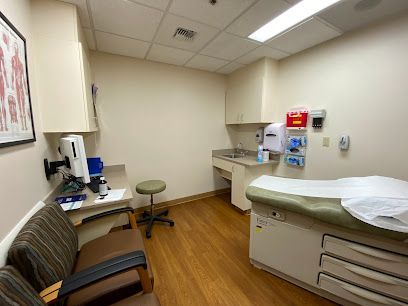
Northern Montana Healthcare
Havre, MT
- Detox
- PHP
- IOP
- MAT
Substance use treatment · Accepts clients on opioid medication but prescribed elsewhere · Cognitive behavioral therapy
Accepts: Cash or self-payment, Medicaid, Medicare


Find a free or private addiction rehab center in Montana. Use our search-by-city tool to find recovery near you.
121 centers found (1–20)
Havre, MT
Substance use treatment · Accepts clients on opioid medication but prescribed elsewhere · Cognitive behavioral therapy
Accepts: Cash or self-payment, Medicaid, Medicare
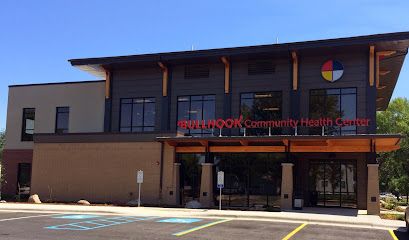
Havre, MT
Substance use treatment · Cognitive behavioral therapy · Dialectical behavior therapy
Accepts: Cash or self-payment, Medicaid, Medicare
Billings, MT
Substance use treatment · Cognitive behavioral therapy · Dialectical behavior therapy
Accepts: Cash or self-payment, Medicaid, State-financed health insurance plan other than Medicaid
Missoula, MT
Substance use treatment · Accepts clients on opioid medication but prescribed elsewhere · Cognitive behavioral therapy
Accepts: Cash or self-payment, Medicaid, State-financed health insurance plan other than Medicaid

Billings, MT
Substance use treatment · All Clients in Opioid Treatment Program · SAMHSA-certified Opioid Treatment Program
Accepts: Cash or self-payment, Medicaid, Medicare
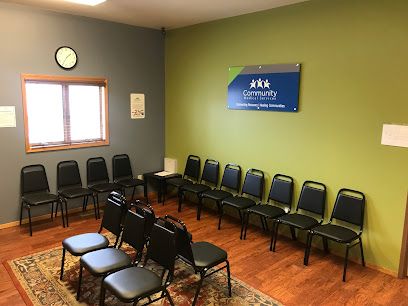
Belgrade, MT
Substance use treatment · All Clients in Opioid Treatment Program · SAMHSA-certified Opioid Treatment Program
Accepts: Cash or self-payment, Medicaid, Medicare
Great Falls, MT
Substance use treatment · Accepts clients on opioid medication but prescribed elsewhere · Cognitive behavioral therapy
Accepts: Cash or self-payment, Medicaid, Medicare

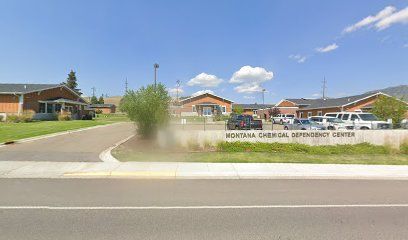
Missoula, MT
Substance use treatment · All Clients in Opioid Treatment Program · SAMHSA-certified Opioid Treatment Program
Accepts: Cash or self-payment, Medicaid, State-financed health insurance plan other than Medicaid
Butte, MT
Substance use treatment · Cognitive behavioral therapy · Dialectical behavior therapy
Accepts: Cash or self-payment, Medicaid, Medicare
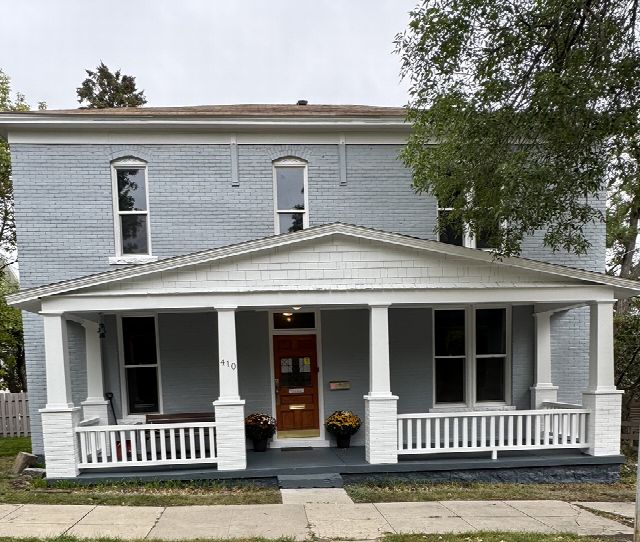
Great Falls, MT
Substance use treatment · Accepts clients on opioid medication but prescribed elsewhere · Cognitive behavioral therapy
Accepts: Cash or self-payment, Medicaid, State-financed health insurance plan other than Medicaid
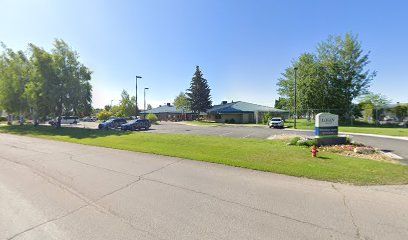
Kalispell, MT
Substance use treatment · Accepts clients on opioid medication but prescribed elsewhere · Cognitive behavioral therapy
Accepts: Cash or self-payment, Medicaid, Medicare
Saint Ignatius, MT
Substance use treatment · Cognitive behavioral therapy · Substance abuse counseling
Accepts: Medicaid, Medicare, State-financed health insurance plan other than Medicaid
Missoula, MT
Substance use treatment · Accepts clients on opioid medication but prescribed elsewhere · Cognitive behavioral therapy
Accepts: Cash or self-payment, Medicaid, Medicare
Billings, MT
Substance use treatment · Accepts clients on opioid medication but prescribed elsewhere · Cognitive behavioral therapy
Accepts: Cash or self-payment, Medicaid, Medicare
Hardin, MT
Substance use treatment · Cognitive behavioral therapy · Dialectical behavior therapy
Accepts: Cash or self-payment, Medicaid, Medicare
Polson, MT
Substance use treatment · Accepts clients on opioid medication but prescribed elsewhere · Cognitive behavioral therapy
Accepts: Cash or self-payment, Medicare, State-financed health insurance plan other than Medicaid
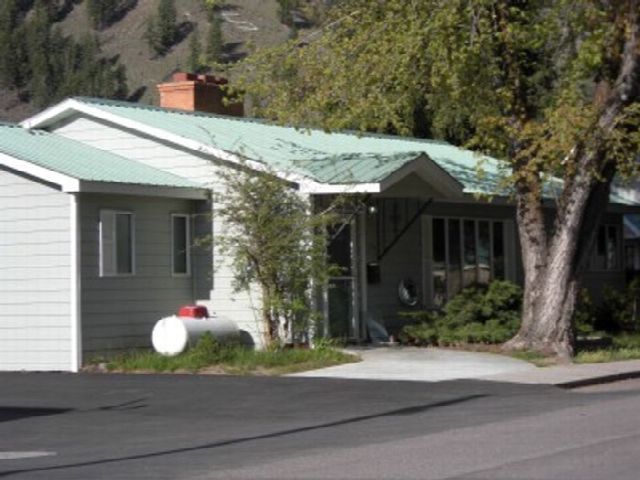
Superior, MT
Substance use treatment · Accepts clients on opioid medication but prescribed elsewhere · Cognitive behavioral therapy
Accepts: Cash or self-payment, Medicaid, Medicare
Bozeman, MT
Substance use treatment · Accepts clients on opioid medication but prescribed elsewhere · Substance abuse counseling
Accepts: Cash or self-payment, Medicaid, Medicare
Missoula, MT
Substance use treatment · Accepts clients on opioid medication but prescribed elsewhere · Substance abuse counseling
Accepts: Cash or self-payment, Medicaid, Medicare
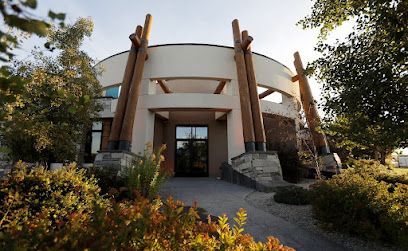
Billings, MT
Substance use treatment · Accepts clients on opioid medication but prescribed elsewhere · Cognitive behavioral therapy
Accepts: Cash or self-payment, Medicaid, State-financed health insurance plan other than Medicaid
Our sponsored hotline can help you compare treatment options and next steps.
Montana's size shapes almost everything about getting help here. As one of the largest and least densely populated states in the country, care often means a long drive — someone in a remote eastern county can sit hours from the nearest residential bed, and that distance is itself a barrier to treatment. Alcohol is the substance Montanans struggle with most — about 11% of residents aged 12 and older meet the criteria for an alcohol use disorder in a given year, according to SAMHSA's 2022–2023 National Survey on Drug Use and Health — while methamphetamine is the drug most often involved in the state's fatal overdoses, and Montana has also absorbed the national rise in opioids and fentanyl. Montana is home to several tribal nations and Indian reservations, and American Indian communities carry a disproportionate burden: American Indian Montanans die, on average, 15 to 18 years younger than other residents, with drug and alcohol overdoses among the leading causes of injury death (Montana DPHHS). Treatment access for Native communities is a distinct piece of the picture that a one-size-fits-all directory can flatten. On the policy side, Montana expanded Medicaid in 2016 — and made that expansion permanent in 2025 — which widened coverage for addiction services, and its drug courts and tribal health systems have continued moving toward evidence-based care. Whether you are looking for yourself or a loved one, the practical task is the same: finding a program that fits your location, your coverage, and the specific kind of help you need.
Sober Nation lists 121 treatment centers across Montana, and they cluster where the population does. Billings has the most at 15 listed centers, followed by Missoula with 11, then Kalispell and Helena with 8 each. Great Falls lists 7, Butte 5, and Havre 4, while smaller communities such as Glendive, Livingston, and Bozeman each list 3. Reading that list from the top down, the takeaway is not only where care is concentrated but how much of the state sits far from any of it.
The available care skews heavily toward the outpatient end. Ninety-four percent of listed centers offer outpatient services and 95% offer aftercare, while only 7% provide medically supervised detox and 11% offer residential treatment. Medication-assisted treatment is available at 29% of centers. On the payment side, 98% of listed centers accept Medicaid and 34% accept Medicare.
Those figures describe the programs in our directory, not the size of the problem itself. For statewide context, federal survey data show that about 20% of Montanans aged 12 and older — roughly 195,000 people — met the criteria for a substance use disorder in the past year, yet nearly three-quarters of those who needed treatment did not receive it (SAMHSA's 2022–2023 National Survey on Drug Use and Health). On overdose, Montana recorded about 170 drug overdose deaths in 2024, an age-adjusted rate of roughly 15 per 100,000 residents, with methamphetamine involved in about 49% of them — more than any other drug (CDC / National Center for Health Statistics).
Most people do not need every level of care; the real question is where to start. Medically supervised detox is the scarcest service in Montana, offered by just 7% of listed centers — so if you expect significant withdrawal from alcohol, benzodiazepines, or opioids, confirming that a detox program is available near you is the first call to make. Residential, or inpatient, care is offered by 11% of centers and provides 24-hour structure, often as the step immediately after detox.
Outpatient care, at 94%, is by far the most widely available level; it lets people keep living at home and working while attending scheduled sessions, which is a practical fit given how far apart Montana communities are. Medication-assisted treatment, available at 29% of centers, pairs FDA-approved medications with counseling and is used mainly for opioid and alcohol use disorders. Aftercare, offered by 95% of centers, is the ongoing support — recovery groups, alumni programs, relapse-prevention planning — that holds progress together once formal treatment ends. For many people the path runs from detox to residential or outpatient and then into aftercare, but there is no single correct sequence; it depends on the substance, the severity, and your circumstances.
Cost is the first worry for most families, and in Montana the most important figure is this: 98% of the treatment centers listed here accept Medicaid. That makes public coverage the single widest door into care in the state. Montana expanded Medicaid eligibility in 2016 and made the expansion permanent in 2025, so many adults who once fell into a coverage gap now qualify — worth re-checking even if you were turned down in the past. Medicare is accepted at 34% of listed centers, which matters for adults 65 and older and for some people with disabilities.
Private insurance is another route; federal parity law — the Mental Health Parity and Addiction Equity Act — generally requires health plans that cover mental health and addiction treatment to do so on terms no more restrictive than other medical and surgical care, though what a specific plan approves still varies, so verify your benefits before you commit. For anyone without coverage, do not assume treatment is out of reach — ask facilities directly about sliding-scale fees, state-funded treatment slots, and payment plans. Availability changes from program to program, so the only reliable move is to call and ask about your exact situation.
A few starting points beyond this directory:
These are not a substitute for treatment, but they are a place to start when you are not sure where to turn. A single call to any of them can save hours of searching, and none will push you toward a particular facility.