


At a Glance
Location
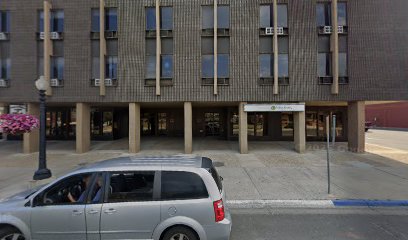
525 East Mercury Street, Butte, MT 59701
Phone
406-496-5400Primary Focus
Treatment Settings
Treatment Approaches
About Montana Chemical Dependency Ctr
Montana Chemical Dependency Center (MCDC) in Butte, MT offers intensive inpatient substance use treatment including medical detox and residential treatment. The facility serves a wide range of populations — from veterans and young adults to pregnant women and seniors — and accepts Medicaid, Medicare, TRICARE, and private insurance, making recovery accessible across Montana.
Montana Chemical Dependency Center, located at 525 East Mercury Street in Butte, Montana, is a state-operated substance use treatment facility providing intensive inpatient care for people ready to commit to the recovery process. Operated under Montana's Department of Public Health and Human Services, MCDC stands out as one of the few publicly administered residential addiction treatment centers in the state, offering a structured path from acute stabilization through longer-term residential care.
MCDC delivers two distinct levels of care: medical detox and residential treatment. Medical detox provides clinical management of withdrawal under medical supervision, addressing the physical dimension of dependency before transitioning residents into the residential treatment program. That residential program is where the deeper recovery work takes place — structured, immersive, and designed to build the skills and stability that support lasting sobriety after discharge.
Cognitive Behavioral Therapy (CBT) anchors MCDC's therapeutic approach, giving residents practical tools to identify and change thought patterns that fuel addictive behavior. The facility also addresses co-occurring disorders and dual diagnosis, recognizing that mental health conditions and substance use frequently intersect. Trauma and PTSD are treated as part of the clinical scope, which is significant for a population that often carries unresolved trauma into the treatment setting.
MCDC serves a notably broad population: veterans, young adults ages 18–25, pregnant women, seniors and older adults, men, women, individuals with HIV/AIDS support needs, those who are deaf or hard of hearing, and court-ordered clients. This range reflects MCDC's role as a community-anchored recovery resource. Payment options include Medicaid, Medicare, TRICARE, private insurance, self-pay, sliding scale fees, financial assistance, and state insurance — removing financial barriers that often prevent people from accessing residential treatment.
Medical Detox and Residential Treatment in Butte, Montana
Montana Chemical Dependency Center offers two integrated levels of care that together address the full arc of early recovery. Medical detox comes first, providing clinical support through the withdrawal process for people entering treatment with active physical dependency. Once stabilized, residents move into MCDC's residential treatment program — an intensive, immersive setting where the behavioral and psychological work of recovery begins in earnest.
The continuity between detox and residential care matters. Many treatment seekers face a dangerous gap between medically managed withdrawal and meaningful therapeutic engagement. At MCDC, those two phases exist within the same facility, reducing the risk of dropout and giving residents a more cohesive start to their recovery journey.
Who MCDC Serves: A Recovery Center Built for Many
MCDC's population list is one of the most inclusive among residential treatment programs in Montana. The facility serves veterans, young adults (18–25), pregnant women, seniors and older adults, men, women, individuals with HIV/AIDS support needs, those who are deaf or hard of hearing, and court-ordered clients. This breadth reflects a facility designed to meet people where they are — regardless of background, circumstance, or life stage.
For veterans specifically, MCDC accepts TRICARE in addition to Medicaid, Medicare, private insurance, sliding scale fees, and financial assistance. That payment flexibility, rare in residential addiction treatment, means that cost is less likely to be the reason someone delays or avoids getting the help they need.
Treating Co-Occurring Disorders and Trauma in Residential Care
Substance use and mental health conditions rarely travel alone. MCDC's clinical scope includes treatment for co-occurring disorders and dual diagnosis, as well as trauma and PTSD — conditions that, left unaddressed, significantly increase the risk of relapse after discharge. Integrating these within a residential treatment setting allows the care team to address the full picture rather than treating addiction in isolation.
Cognitive Behavioral Therapy (CBT) provides the primary therapeutic framework at MCDC. CBT is well-suited to residential settings because it equips residents with concrete, transferable skills — ways of identifying and interrupting the thought patterns and behavioral cycles that sustain addiction. Those skills don't disappear when a resident leaves; they form part of the foundation for ongoing recovery.
Paying for Rehab at Montana Chemical Dependency Center
Financing residential addiction treatment is one of the most common barriers people face when considering rehab. MCDC accepts an unusually wide range of payment methods: Medicaid, Medicare, TRICARE, private insurance, self-pay and cash, sliding scale fees, financial assistance, and state insurance. This breadth makes residential treatment at MCDC accessible to people across a wide range of financial situations.
For those unsure what they qualify for, MCDC can be reached directly at (406) 496-5400 or through its official website at dphhs.mt.gov/healthcarefacilities/MCDC. Speaking with admissions staff is the most reliable way to understand coverage, costs, and what to expect from the intake process.
Why Choose Montana Chemical Dependency Ctr
- One of Montana's few state-operated residential addiction treatment centers, offering both medical detox and residential treatment under one roof
- Treats co-occurring disorders and trauma/PTSD alongside substance use — critical for residents whose recovery is complicated by mental health needs
- Serves an unusually broad range of populations, including veterans (with TRICARE accepted), pregnant women, seniors, court-ordered clients, and individuals who are deaf or hard of hearing
- CBT-grounded residential program designed to build recovery skills that carry beyond discharge, not just manage acute withdrawal
- Comprehensive payment access — Medicaid, Medicare, TRICARE, private insurance, sliding scale, and financial assistance — making residential treatment reachable for low- and moderate-income Montanans
Frequently Asked Questions
What levels of care does Montana Chemical Dependency Center offer?
MCDC provides two levels of care: medical detox and residential treatment. Medical detox addresses the physical withdrawal phase, while residential treatment offers intensive inpatient programming focused on the behavioral and psychological dimensions of recovery. Both are available at the Butte, Montana facility.
Does MCDC treat co-occurring mental health conditions alongside addiction?
Yes. MCDC's clinical scope includes co-occurring disorders and dual diagnosis, meaning the facility treats mental health conditions alongside substance use disorders. Trauma and PTSD are also within MCDC's confirmed treatment conditions, which is especially relevant for veterans and others entering treatment with complex histories.
What therapy approaches does MCDC use in its residential program?
Cognitive Behavioral Therapy (CBT) is the confirmed therapeutic method at MCDC. CBT helps residents recognize and change the thought patterns and behaviors that drive addictive cycles, providing practical tools that support recovery well beyond the residential stay.
Who is eligible for treatment at Montana Chemical Dependency Center?
MCDC serves a wide range of populations including veterans, young adults (18–25), pregnant women, seniors and older adults, men, women, individuals with HIV/AIDS support needs, those who are deaf or hard of hearing, and court-ordered clients. Contact MCDC directly at (406) 496-5400 to discuss specific eligibility and intake requirements.
Does MCDC accept Medicaid or Medicare for residential treatment?
Yes. MCDC accepts both Medicaid and Medicare, along with TRICARE, private insurance, self-pay and cash, sliding scale fees, financial assistance, and state insurance. This range of payment options makes residential treatment accessible to individuals across many financial circumstances.
Is MCDC an option for veterans seeking residential addiction treatment?
Yes. Veterans are among the specific populations MCDC is confirmed to serve, and the facility accepts TRICARE as a payment method. Veterans seeking residential treatment or medical detox in Montana can contact MCDC at (406) 496-5400 to discuss their options.
Does MCDC offer treatment for pregnant women?
Pregnant women are among the confirmed populations served at MCDC. If you or someone you know is pregnant and seeking residential addiction treatment, contacting MCDC directly at (406) 496-5400 is the best way to learn about available services and the intake process.
Is Montana Chemical Dependency Center a good fit for someone coming out of detox who needs ongoing residential support?
MCDC is well-positioned for this transition because it offers both medical detox and residential treatment within the same facility. Residents who complete the detox phase can continue into residential treatment without having to transfer to a separate program, maintaining continuity of care during a critical period in recovery.
How can I contact Montana Chemical Dependency Center to start the admissions process?
MCDC can be reached by phone at (406) 496-5400. Additional information is available through the official website at dphhs.mt.gov/healthcarefacilities/MCDC. Speaking directly with the admissions team is the most reliable way to get accurate information about availability, payment, and program fit.
Does MCDC offer sliding scale fees for people who can't afford full-cost residential treatment?
Yes. Sliding scale fees and financial assistance are both confirmed payment options at MCDC, in addition to Medicaid, Medicare, TRICARE, private insurance, self-pay, and state insurance. These options are designed to reduce financial barriers to accessing residential addiction treatment.
Nearby Treatment Centers
Ideal Option Butte
Butte, MT
- Outpatient
- MAT
Substance use treatment · Substance abuse counseling · Smoking not permitted
Accepts: Cash or self-payment, Medicaid, Medicare
Southwest Montana Addiction Recovery SMART
Butte, MT
- IOP
Substance use treatment · Accepts clients on opioid medication but prescribed elsewhere · Cognitive behavioral therapy
Accepts: Cash or self-payment, Medicaid, Medicare
Youth Dynamics Inc
Butte, MT
- IOP
Substance use treatment · Accepts clients on opioid medication but prescribed elsewhere · Cognitive behavioral therapy
Accepts: Cash or self-payment, Medicaid, State-financed health insurance plan other than Medicaid

Southwest MT Community Health Center
Butte, MT
- Outpatient
- MAT
Substance use treatment · Cognitive behavioral therapy · Dialectical behavior therapy
Accepts: Cash or self-payment, Medicaid, Medicare
Western Montana Tri County Addictions Services
Anaconda, MT
- Outpatient
Substance use treatment · Accepts clients on opioid medication but prescribed elsewhere · Cognitive behavioral therapy
Accepts: Cash or self-payment, Medicaid, Medicare
Youth Dynamics Inc
Boulder, MT
- PHP
- IOP
Substance use treatment · Accepts clients on opioid medication but prescribed elsewhere · Cognitive behavioral therapy
Accepts: Cash or self-payment, Medicaid, State-financed health insurance plan other than Medicaid