4 Drug & Alcohol Rehabs In Elmhurst, IL

Find drug and alcohol rehab centers in Elmhurst, IL and start your recovery today.

Drug and alcohol rehab centers in Elmhurst, IL

4 centers found (1–4)

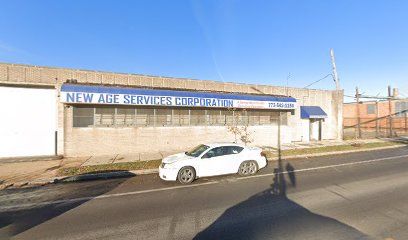
Behavioral Services Center facility photo1.1 mi

Behavioral Services Center

Elmhurst, IL

  • Detox
  • PHP
  • IOP
  • MAT

Substance use treatment · All Clients in Opioid Treatment Program · Cognitive behavioral therapy

Accepts: Cash or self-payment, Medicaid, State-financed health insurance plan other than Medicaid

1.1 mi
0.5 mi
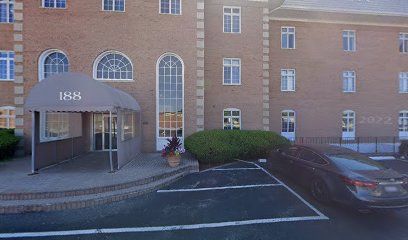
Kevin and Associates Inc facility photo1.1 mi

Kevin and Associates Inc

Elmhurst, IL

  • PHP
  • IOP

Substance use treatment · Accepts clients on opioid medication but prescribed elsewhere · Cognitive behavioral therapy

Accepts: Cash or self-payment, Private health insurance, Military insurance

1.1 mi
2.6 mi

Do you need help finding rehab in Elmhurst, IL?

Call our sponsored hotline to speak with someone about treatment options near you.

Elmhurst, a residential suburb of Chicago located in DuPage County, has 4 addiction treatment centers focused on evidence-based recovery. These providers specialize in substance abuse counseling, behavioral therapies, and treatment for co-occurring mental health conditions—recognizing that addiction rarely exists in isolation. Whether you're dealing with alcohol, opioids, stimulants, or other substances, Elmhurst's treatment centers are equipped to meet you where you are and help you build a sustainable recovery plan.

Levels of Care in Elmhurst

All 4 treatment centers in Elmhurst offer outpatient programs, with both intensive outpatient (IOP) and regular outpatient treatment available at every location. Intensive outpatient involves more frequent sessions while regular outpatient is less intensive. Both allow you to maintain work, school, parenting, or other responsibilities while receiving structured care.

Every provider in Elmhurst offers substance abuse counseling and behavioral therapies, including cognitive behavioral therapy (CBT) at all 4 centers. CBT teaches you to identify thought patterns that trigger substance use and develop coping strategies to replace them. Three of the 4 centers provide dialectical behavior therapy (DBT), a specialized approach for managing intense emotions and building crisis-survival skills—particularly helpful if anger, emotional dysregulation, or self-harm are part of your struggle.

Trauma-related counseling is available at all 4 locations. Untreated trauma is a major driver of addiction; these providers can address both simultaneously. All 4 centers provide individual and family counseling, recognizing that recovery affects everyone around you. Twelve-step facilitation is also available for those who find 12-step programs helpful.

Co-occurring mental health and substance use treatment is offered at all locations. Depression, anxiety, bipolar disorder, and PTSD often co-occur with addiction, and treating only one while ignoring the other rarely leads to lasting recovery. Every center offers aftercare and discharge planning to support you after your initial treatment phase, ensuring you leave with concrete next steps.

If you need detox, residential inpatient care, medication-assisted treatment (buprenorphine, methadone, or naltrexone), or sober living residences, confirm availability directly with each listing. Not all providers offer all services, but they can guide you to what you need.


Paying for Rehab in Elmhurst

All 4 Elmhurst treatment centers accept cash or self-payment. Three of the 4 accept private health insurance, which often covers a significant portion of treatment costs. If you have insurance, verify coverage before your first appointment—some plans require pre-authorization.

Three of the 4 centers offer sliding fee scale pricing, which bases your cost on your income rather than a flat rate. When you call, ask specifically about sliding scale and bring information about your household income.

For Medicaid and state programs, see the Illinois rehab guide, which explains your eligibility and how state insurance covers addiction treatment. Illinois Medicaid often covers outpatient, IOP, and some residential programs. Many Elmhurst providers work directly with Illinois Medicaid and state substance abuse agencies, so confirm which specific services your Medicaid plan covers before committing to a program.

Traveling for Treatment and Nearby Options

If you're seeking more options, nearby cities offer additional treatment resources. Chicago, just east, has 205 treatment centers. Other nearby communities include Joliet (18 centers), Springfield (13), Rockford (12), Aurora (10), and Peoria (10). You can explore each using the links below.

If traveling isn't feasible, ask Elmhurst providers about telehealth counseling—many now offer virtual sessions that bring therapy into your home. This can be especially helpful for ongoing care after your initial treatment phase.

Frequently Asked Questions

Do all 4 treatment centers in Elmhurst offer outpatient programs?
Yes. All 4 centers provide outpatient care, including intensive outpatient (IOP) for people who need structured treatment but live at home. This makes treatment accessible even if you're working or caring for family while getting help.
Can I find treatment in Elmhurst if I don't have insurance?
Yes. All 4 centers accept cash or self-payment, and three of the 4 also offer sliding fee scale pricing based on your income. Cost should not stop you from reaching out. Call and ask about payment plans and sliding scale options during your first conversation.
What if I need help addressing trauma alongside my addiction?
All 4 Elmhurst treatment centers offer trauma-related counseling. Many people discover that unresolved trauma (abuse, loss, violence, accidents) is driving their substance use. Treating trauma and addiction together gives you the best chance at lasting recovery.
What happens after I finish treatment in Elmhurst?
All 4 treatment centers provide aftercare and discharge planning to help you stay on track after completing your initial program. They can connect you with support groups, ongoing counseling, sober living options, and other community resources to prevent relapse. Recovery is a process, and these providers help you plan for what comes next.

Sources

  1. 1.Illinois statewide Medicaid, overdose context, and state programs /rehab/illinois/
  2. 2.Find licensed, SAMHSA-verified treatment nationwide https://findtreatment.gov/
  3. 3.988 Suicide & Crisis Lifeline — free, confidential, 24/7 https://988lifeline.org/