
 2.3 mi
 Rose Medical Association Inc/Peoria
Peoria, IL
- Detox
- IOP
- MAT
Substance use treatment · SAMHSA-certified Opioid Treatment Program · Cognitive behavioral therapy
Accepts: Cash or self-payment, Private health insurance, Sliding fee scale

Find drug and alcohol rehab centers in Peoria, IL and start your recovery today.
10 centers found (1–10)
2.3 mi Peoria, IL
Substance use treatment · SAMHSA-certified Opioid Treatment Program · Cognitive behavioral therapy
Accepts: Cash or self-payment, Private health insurance, Sliding fee scale
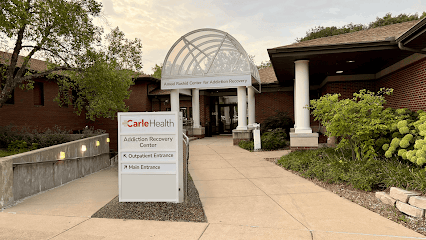 2 mi
2 mi Peoria, IL
Substance use treatment · Accepts clients on opioid medication but prescribed elsewhere · Cognitive behavioral therapy
Accepts: Cash or self-payment, Medicare, Private health insurance
 2.5 mi
 Peoria, IL
Accepts clients on opioid medication but prescribed elsewhere · Substance abuse counseling · Smoking not permitted
Accepts: Cash or self-payment, Medicaid, State-financed health insurance plan other than Medicaid
 1.7 mi
 Peoria, IL
Substance use treatment · All Clients in Opioid Treatment Program · SAMHSA-certified Opioid Treatment Program
Accepts: Cash or self-payment, Medicaid, Medicare
2.5 mi Peoria, IL
Substance use treatment · Accepts clients on opioid medication but prescribed elsewhere · Cognitive behavioral therapy
Accepts: Cash or self-payment, Medicaid, Medicare
Peoria, IL
Substance use treatment · Accepts clients on opioid medication but prescribed elsewhere · Cognitive behavioral therapy
Accepts: Cash or self-payment, Medicaid, State-financed health insurance plan other than Medicaid
Peoria, IL
Substance use treatment · Accepts clients on opioid medication but prescribed elsewhere · Cognitive behavioral therapy
Accepts: Cash or self-payment
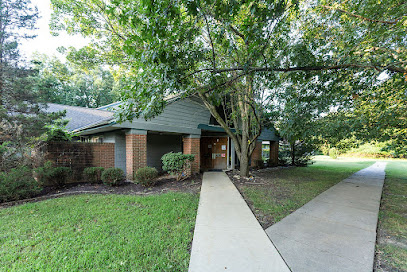 2.4 mi
 Peoria, IL
Substance use treatment · Accepts clients on opioid medication but prescribed elsewhere · Cognitive behavioral therapy
Accepts: Cash or self-payment, Medicaid, State-financed health insurance plan other than Medicaid
Peoria, IL
Substance use treatment · Accepts clients on opioid medication but prescribed elsewhere · Cognitive behavioral therapy
Accepts: Cash or self-payment, Medicaid, State-financed health insurance plan other than Medicaid
Peoria, IL
Substance use treatment · Does not treat opioid addiction · Cognitive behavioral therapy
Accepts: Cash or self-payment, Private health insurance, Sliding fee scale
Call our sponsored hotline to speak with someone about treatment options near you.
Sober Nation lists 10 treatment centers in Peoria, Illinois. Peoria is located in central Illinois in Tazewell County, between St. Louis to the south and Chicago to the north. The city's treatment network centers on counseling-based approaches, with substance abuse counseling, motivational interviewing, and relapse prevention available at all 10 centers in our directory. Most centers serve clients of any gender; one serves men only and one serves women only. Whether you're looking for local options or considering travel to nearby cities, Peoria provides several choices for individuals seeking recovery support.
All 10 Peoria centers offer core counseling and recovery planning services. Substance abuse counseling, motivational interviewing, and relapse prevention are available at every center in the directory. These foundational services focus on helping individuals understand their addiction, build motivation for change, and develop strategies to prevent relapse.
Beyond counseling basics, most centers add therapeutic and supportive approaches:
Individual and group counseling are available at 9 centers each, allowing you to choose or combine formats based on your comfort. Nine centers also offer 12-step facilitation, which helps clients connect to peer support, and continuing care for long-term recovery. Cognitive behavioral therapy is available at 9 centers and helps you identify and change harmful thought patterns. Dialectical behavior therapy is offered at 8 centers and focuses on emotion regulation and distress tolerance. Family counseling is available at 8 centers for those who want to involve loved ones in recovery. Eight centers also provide naloxone education and overdose prevention training. For medication-assisted treatment with buprenorphine, methadone, or naltrexone, confirm availability directly with individual listings, as prescribing relationships vary by center.
Cost should not be a barrier to recovery. All 10 Peoria centers accept at least one form of payment, and most accept several. Here is what the directory shows:
Having 10 centers accept self-payment means cost-conscious options exist if you need to start quickly. All centers work with Illinois state substance abuse programs, which can help you access funding or sliding-scale fees based on income. Nine centers accept private insurance, so if you have coverage through an employer or the individual marketplace, most centers can likely verify your benefits and bill your plan. Illinois offers several state programs, Medicaid, and other financial resources for individuals seeking treatment. For details on coverage options and state funding available to you, see the Illinois rehab guide. When you call a center, ask about payment plans, financial assistance programs, and any grants or scholarships they may offer.
Some people find that leaving their immediate environment for treatment helps them focus on recovery. If you're open to traveling or exploring options beyond Peoria, several other Illinois cities offer larger networks of centers. Chicago, as a major urban center, has the most options in the state. Depending on your preference for urban, suburban, or mid-sized city settings, you might find a fit closer to your destination:
You do not need to travel to access professional support. Many Peoria centers offer telehealth services, which allows you to attend counseling, therapy, and group sessions from home, from work, or while traveling. Telehealth can be especially helpful if transportation is a barrier, if you prefer privacy, or if your schedule is unpredictable. When contacting a center, ask whether telehealth is available for the specific services you need. Some programs offer sessions entirely online, while others use a hybrid model with occasional in-person visits.