55 Drug & Alcohol Rehabs In South Dakota

Find a free or private addiction rehab center in South Dakota. Use our search-by-city tool to find recovery near you.

Drug and alcohol rehab centers in South Dakota

55 centers found (21–40)

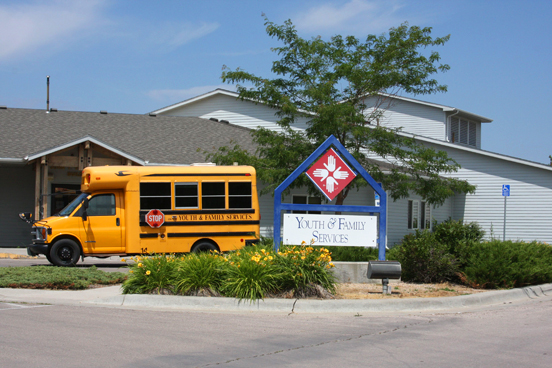
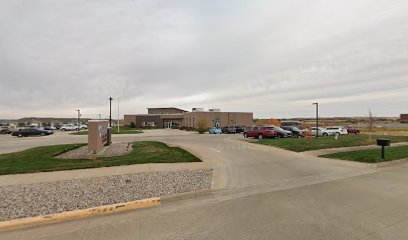
Our Home Inc Rediscovery Program facility photo

Our Home Inc Rediscovery Program

Huron, SD

Substance use treatment · Does not use medication for opioid addiction · Accepts clients on opioid medication but prescribed elsewhere

Accepts: Cash or self-payment, Medicaid, State-financed health insurance plan other than Medicaid

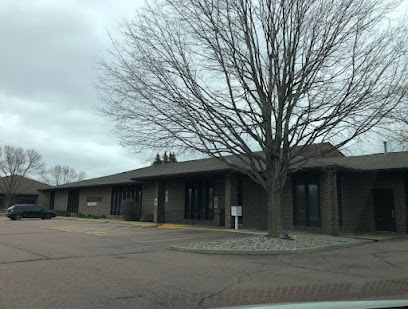
Wellfully Wellspring Inc facility photo

Wellfully Wellspring Inc

Rapid City, SD

  • Residential
  • IOP

Substance use treatment · Does not use medication for opioid addiction · Cognitive behavioral therapy

Accepts: Cash or self-payment, Medicaid, State-financed health insurance plan other than Medicaid

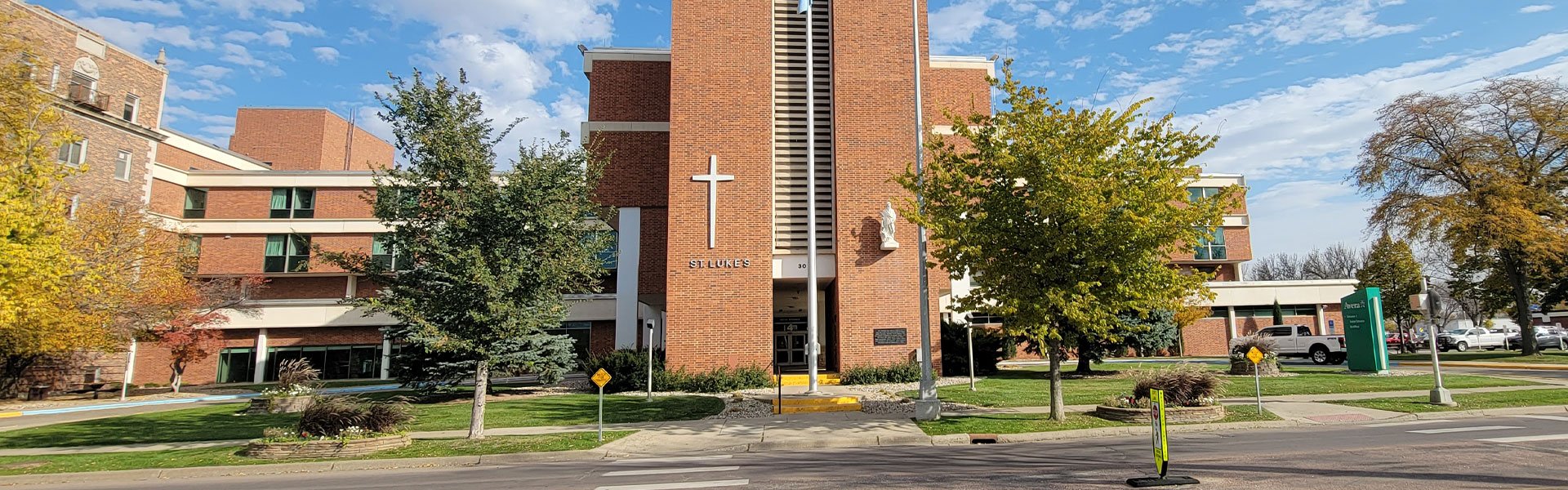
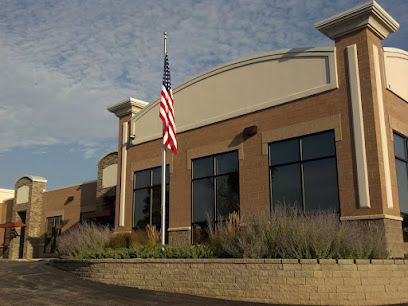
Volunteers of America Dakotas facility photo

Volunteers of America Dakotas

Sioux Falls, SD

  • Residential
  • IOP
  • Sober Living

Substance use treatment · Accepts clients on opioid medication but prescribed elsewhere · Cognitive behavioral therapy

Accepts: Cash or self-payment, Medicaid, Private health insurance

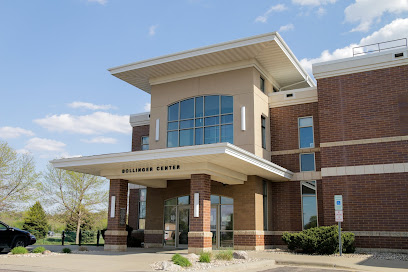
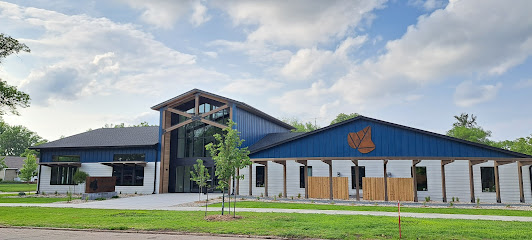
Glory House of Sioux Falls facility photo

Glory House of Sioux Falls

Sioux Falls, SD

  • Residential
  • Sober Living

Substance use treatment · Accepts clients on opioid medication but prescribed elsewhere · Cognitive behavioral therapy

Accepts: Cash or self-payment, Medicaid, Sliding fee scale

ROADS Inc

Rapid City, SD

  • IOP

Substance use treatment · Accepts clients on opioid medication but prescribed elsewhere · Cognitive behavioral therapy

Accepts: Cash or self-payment, Medicaid, Medicare

Lifeways Inc

Rapid City, SD

  • IOP

Substance use treatment · Accepts clients on opioid medication but prescribed elsewhere · Cognitive behavioral therapy

Accepts: Cash or self-payment, Medicaid, State-financed health insurance plan other than Medicaid

Do you need help finding rehab in South Dakota?

Our sponsored hotline can help you compare treatment options and next steps.

South Dakota asks something of people in recovery that denser states do not: distance. With roughly ten residents per square mile, many counties here are federally designated as frontier, and the nearest inpatient bed can be a two- or three-hour drive across the Missouri River that splits the state into its "East River" and "West River" halves. That geography shapes almost everything about getting care. It also means recovery in South Dakota is inseparable from the state's nine tribal nations — among them the Oglala, Rosebud, Cheyenne River, and Standing Rock — where the Indian Health Service and tribal programs carry much of the treatment load, and where American Indian communities bear a strikingly disproportionate burden: nationally, American Indian and Alaska Native people have the highest drug overdose death rate of any racial group (65.0 per 100,000 in 2023, driven in part by methamphetamine and other stimulants) and among the highest alcohol-related death rates. Sioux Falls and Rapid City anchor the two population centers at opposite ends of the state, so where you live often decides how far you travel to a program. South Dakota also expanded Medicaid — coverage took effect July 1, 2023, extending eligibility to adults earning up to 138% of the federal poverty level — which changed who can afford treatment. Understanding these realities — the miles, the tribal health systems, the two-city pull — matters before you choose where to start.

Rehab Statistics in South Dakota

Sober Nation currently lists 55 treatment centers across South Dakota, and they cluster exactly where the people are. Sioux Falls accounts for 16 of them and Rapid City another 10 — together, nearly half the state's listings sit in just two cities. After that the drop-off is steep: Aberdeen, Pierre, Huron, Sturgis, Watertown, Yankton, and Hot Springs each list two centers, and smaller towns such as Vale list one. For someone in a rural county between those points, the practical takeaway is plain — options thin out fast the farther you get from I-29 or I-90.

Beyond the listings, federal surveys sketch the wider picture. In SAMHSA's most recent National Survey on Drug Use and Health (2022–2023 average), about 17.5% of South Dakotans aged 12 and older — roughly one in six — met the criteria for a substance use disorder in the past year, and an estimated 75.8% of residents who needed substance use treatment did not receive it. Fatal overdoses, by contrast, remain comparatively rare here: South Dakota's drug overdose death rate was 11.2 per 100,000 in 2023, among the lowest of any state and close to a third of the national rate. That statewide calm masks a sharp disparity, though — American Indian and Alaska Native people nationally carry the highest overdose and alcohol-related death rates of any racial group. Because these numbers shift year to year, we link the primary federal sources below so you can check the latest.

Levels of Care Available in South Dakota

The mix of care in South Dakota leans heavily toward outpatient and follow-up support, which is worth understanding before you decide where to start. About 85% of listed centers offer outpatient treatment — usually the entry point, where you live at home and attend scheduled counseling or group sessions around work and family. An even higher share, 95%, offer aftercare: the ongoing support, alumni groups, and relapse-prevention planning that carry people through the fragile first months. Medication-assisted treatment (MAT), which combines FDA-approved medications with counseling for opioid or alcohol use disorder, is available at 38% of centers.

The more intensive levels are noticeably scarcer. Residential or inpatient programs, where you stay on-site with 24-hour support, are offered by 29% of listings, and medically supervised detox — the safest way to get through acute withdrawal from alcohol, opioids, or benzodiazepines — by just 15%. That scarcity is practical, not abstract: if you or your loved one needs detox or a residential bed, expect fewer choices and possibly a longer drive to reach them. Many people move through these levels in sequence, starting higher and stepping down to outpatient and aftercare as they stabilize.

Paying for Rehab in South Dakota

Cost is often the first barrier people run into, and on one front South Dakota's numbers are encouraging: 78% of listed centers accept Medicaid, making it by far the most widely accepted form of coverage in the directory. That reach matters because South Dakota expanded Medicaid eligibility effective July 1, 2023, extending the program to adults earning up to 138% of the federal poverty level — many of whom previously fell into a coverage gap with no affordable option. Medicare, which covers many adults over 65 and some younger people with disabilities, is accepted at 31% of listed centers.

Public coverage is not the only path. Federal parity law — the Mental Health Parity and Addiction Equity Act — generally requires health plans to cover substance use and mental health treatment on par with other medical and surgical care, so a private plan may cover more than you expect. The state's designated Single State Agency, the South Dakota Department of Social Services' Division of Behavioral Health, also administers federally funded treatment (through the SAMHSA Substance Abuse Prevention and Treatment Block Grant) for residents who are uninsured or underinsured. When you call a center, ask plainly what it accepts, whether it offers a sliding-fee scale, and whether any state-funded slots are currently open — the answers vary widely from one program to the next.

State Resources & Substance Abuse Organizations

A few statewide resources are worth saving before you start calling treatment centers.

  • Division of Behavioral Health (South Dakota Department of Social Services) — the state's Single State Agency for substance use services, which oversees licensing, funds treatment for uninsured residents, and maintains referral information (dss.sd.gov/behavioralhealth).
  • NAMI (National Alliance on Mental Illness) — NAMI's South Dakota state chapter closed in early 2026, but NAMI National still offers free education, online support groups, a HelpLine, and family resources for the mental health conditions that so often run alongside addiction (nami.org).
  • 988 Suicide and Crisis Lifeline — 24/7 crisis support by call, text, or chat, with routing to local and tribal crisis services where available (988lifeline.org).

These are starting points, not endorsements of any single program — use them to ask questions and confirm what fits your situation.

Frequently Asked Questions

Will I have to travel far for treatment in South Dakota?
Possibly. Listings concentrate in Sioux Falls and Rapid City, so residents of rural or frontier counties often drive well over an hour for inpatient or detox care. Outpatient and aftercare are more widely available. If distance is a barrier, ask centers about telehealth options and whether housing is offered during residential stays.
Are there treatment options specific to Native American communities in South Dakota?
Yes. South Dakota's tribal nations and the Indian Health Service operate behavioral health and substance use programs, some of which weave culturally grounded practices together with clinical care. Availability varies by reservation and community, so contact tribal health services or the state Division of Behavioral Health directly to confirm current programs and eligibility.
Does South Dakota's Medicaid expansion help me pay for rehab?
It may. South Dakota expanded Medicaid eligibility effective July 1, 2023, which extended coverage to many low-income adults who previously had none. Since 78% of listed centers accept Medicaid, expanded eligibility can open real options. Confirm your eligibility with the state and ask each center whether it currently accepts Medicaid plans.

Sources

  1. 1.American Indian and Alaska Native people have the highest drug overdose death rate of any racial group (65.0 per 100,000 in 2023), with methamphetamine and other stimulants a major driver — the burden borne heavily by tribal communities in South Dakota https://www.cdc.gov/nchs/products/databriefs/db549.htm
  2. 2.American Indian and Alaska Native people have the highest alcohol-related death rate of any racial or ethnic group (57.9 per 100,000 in 2024, more than four times the rate for White people) https://www.kff.org/mental-health/alcohol-deaths-national-trends-and-variation-by-demographics-and-states/
  3. 3.South Dakota expanded Medicaid eligibility via 2022 ballot Amendment D; coverage took effect July 1, 2023, for adults earning up to 138% of the federal poverty level https://ballotpedia.org/South_Dakota_Constitutional_Amendment_D,_Medicaid_Expansion_Initiative_(2022)
  4. 4.Statewide substance use disorder prevalence (17.5% of people aged 12+) and treatment gap (75.8% of those needing substance use treatment did not receive it), South Dakota, NSDUH 2022–2023 annual average https://www.samhsa.gov/data/sites/default/files/reports/rpt56188/2023-nsduh-sae-state-tables_0/2023-nsduh-sae-state-tabs-south-dakota.pdf
  5. 5.South Dakota drug overdose death rate was 11.2 per 100,000 in 2023, among the lowest of any state (national rate 31.3 per 100,000) https://www.kff.org/mental-health/state-indicator/drug-overdose-death-rate-per-100000-population/
  6. 6.South Dakota's Medicaid expansion extended coverage to low-income adults previously in a coverage gap (initiated Amendment D, 2022; effective July 1, 2023) https://ballotpedia.org/South_Dakota_Constitutional_Amendment_D,_Medicaid_Expansion_Initiative_(2022)
  7. 7.Federal parity law (the Mental Health Parity and Addiction Equity Act) requires health plans to cover mental health and substance use disorder benefits comparably to medical/surgical benefits https://www.cms.gov/marketplace/private-health-insurance/mental-health-parity-addiction-equity
  8. 8.South Dakota's Single State Agency (DSS Division of Behavioral Health) administers federally funded treatment (SAMHSA Substance Abuse Prevention and Treatment Block Grant) for uninsured or underinsured residents https://dss.sd.gov/behavioralhealth/
  9. 9.Official URL for the South Dakota Division of Behavioral Health (Department of Social Services), the SAMHSA-designated Single State Agency https://dss.sd.gov/behavioralhealth/
  10. 10.NAMI's South Dakota state chapter closed in early 2026; NAMI National continues to offer education, online support groups, a HelpLine, and family resources https://www.nami.org/
  11. 11.Official URL for the 988 Suicide and Crisis Lifeline (24/7 call, text, and chat) https://988lifeline.org/