ADAPT Inc
Fargo, ND
- Outpatient
Substance use treatment · Does not treat opioid addiction · Cognitive behavioral therapy
Accepts: Cash or self-payment

Find a free or private addiction rehab center in North Dakota. Use our search-by-city tool to find recovery near you.
78 centers found (41–60)
Fargo, ND
Substance use treatment · Does not treat opioid addiction · Cognitive behavioral therapy
Accepts: Cash or self-payment
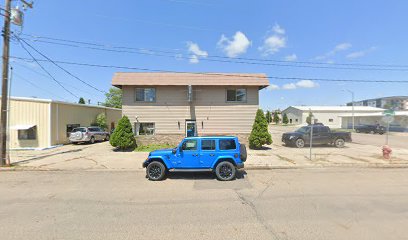
Bismarck, ND
Substance use treatment · Does not treat opioid addiction · Cognitive behavioral therapy
Accepts: Cash or self-payment
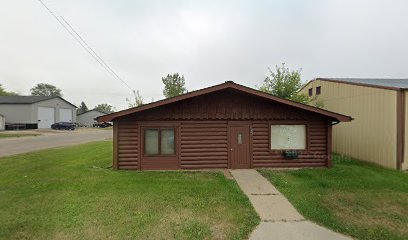
Devils Lake, ND
Substance use treatment · Does not treat opioid addiction · Cognitive behavioral therapy
Accepts: Cash or self-payment
Fargo, ND
Substance use treatment · Accepts clients on opioid medication but prescribed elsewhere · Cognitive behavioral therapy
Accepts: Cash or self-payment
Grand Forks, ND
Substance use treatment · Does not treat opioid addiction · Cognitive behavioral therapy
Accepts: Cash or self-payment
Grand Forks, ND
Substance use treatment · Accepts clients on opioid medication but prescribed elsewhere · Cognitive behavioral therapy
Accepts: Cash or self-payment, Medicaid, State-financed health insurance plan other than Medicaid
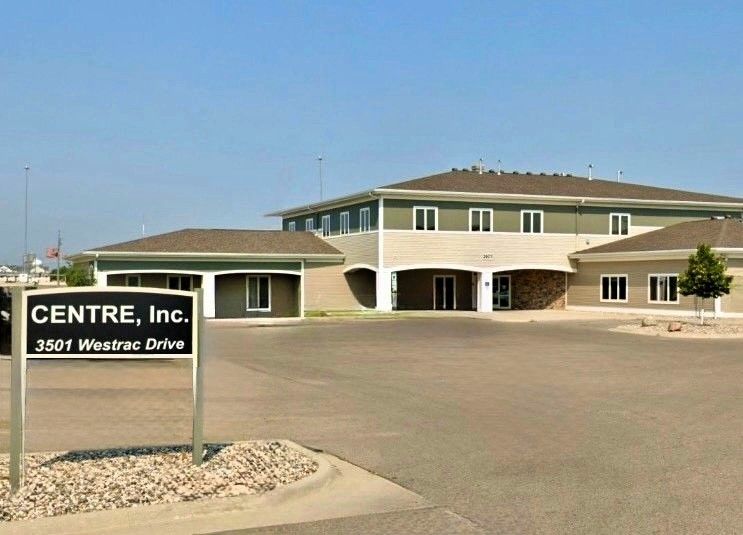
Mandan, ND
Substance use treatment · Accepts clients on opioid medication but prescribed elsewhere · Cognitive behavioral therapy
Accepts: Cash or self-payment
Bismarck, ND
Substance use treatment · Accepts clients on opioid medication but prescribed elsewhere · Cognitive behavioral therapy
Accepts: Cash or self-payment, Medicaid, Medicare
Minot, ND
Substance use treatment · Does not treat opioid addiction · Cognitive behavioral therapy
Accepts: Cash or self-payment
Dickinson, ND
Substance use treatment · Does not treat opioid addiction · Cognitive behavioral therapy
Accepts: Cash or self-payment
Fargo, ND
Substance use treatment · Accepts clients on opioid medication but prescribed elsewhere · Cognitive behavioral therapy
Accepts: Cash or self-payment
Williston, ND
Substance use treatment · Does not treat opioid addiction · Cognitive behavioral therapy
Accepts: Cash or self-payment
Grand Forks, ND
Substance use treatment · Accepts clients on opioid medication but prescribed elsewhere · Cognitive behavioral therapy
Accepts: Cash or self-payment, Medicaid, State-financed health insurance plan other than Medicaid
Grand Forks, ND
Substance use treatment · Accepts clients on opioid medication but prescribed elsewhere · Cognitive behavioral therapy
Accepts: Cash or self-payment
Watford City, ND
Substance use treatment · Accepts clients on opioid medication but prescribed elsewhere · Cognitive behavioral therapy
Accepts: Cash or self-payment, Private health insurance
Grafton, ND
Substance use treatment · Does not use medication for opioid addiction · Accepts clients on opioid medication but prescribed elsewhere
Accepts: Cash or self-payment, State-financed health insurance plan other than Medicaid, Private health insurance
Bismarck, ND
Substance use treatment · Accepts clients on opioid medication but prescribed elsewhere · Cognitive behavioral therapy
Accepts: Cash or self-payment, Medicaid, Medicare
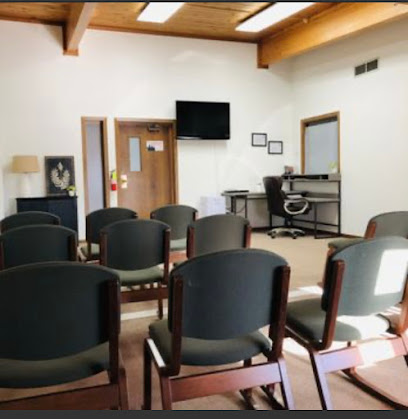
Minot, ND
Substance use treatment · Accepts clients on opioid medication but prescribed elsewhere · Cognitive behavioral therapy
Accepts: Cash or self-payment, State-financed health insurance plan other than Medicaid, Private health insurance
Jamestown, ND
Substance use treatment · Accepts clients on opioid medication but prescribed elsewhere · Cognitive behavioral therapy
Accepts: Cash or self-payment, Medicaid, Private health insurance
Rocklake, ND
Substance use treatment · Accepts clients on opioid medication but prescribed elsewhere · Cognitive behavioral therapy
Accepts: Cash or self-payment, Sliding fee scale
Our sponsored hotline can help you compare treatment options and next steps.
North Dakota asks something of people in recovery that most states do not: distance. Outside the Fargo, Bismarck, and Grand Forks corridor, treatment can sit a long drive from home, and a single winter storm can close the road between a person and their next appointment. That geography shapes nearly everything about care here. Over the last decade, the oil counties of the Bakken in the west drew a large, transient workforce, and a state-commissioned review of North Dakota's behavioral health system found that where oil development surged, drug use rose while local communities lacked the resources and workforce to keep pace. North Dakota is also home to tribal nations, where the Indian Health Service and community-run programs carry much of the treatment load — a reality reflected in the centers listed in places like New Town, on the Fort Berthold Reservation, and near Devils Lake. The state expanded Medicaid in 2014, which widened who can afford care. But coverage does not shorten the drive, and here, access is as much about maps and seasons as it is about open beds.
Sober Nation lists 78 treatment centers across North Dakota, and where they sit tells you a lot about access. They cluster where the population does: Fargo leads with 14 listed centers, followed by Bismarck (13), Minot (10), and Grand Forks (9) — four cities that together hold the bulk of everything available statewide. From there the map thins fast. Williston (7) anchors the oil-patch west, Dickinson and Jamestown list 4 centers each, and Devils Lake lists 3. Smaller communities such as Rocklake and New Town list a single center apiece. For a family in a rural county between those points, the nearest program may be hours away by car in good weather — and that is the practical reality behind the count.
What listings cannot show is how supply lines up against need. According to SAMHSA's National Survey on Drug Use and Health (2022–2023 estimates), about 17 percent of North Dakotans aged 12 or older — roughly one in six — met the criteria for a substance use disorder in the past year, and an estimated 77 percent of those who needed substance use treatment did not receive it. Alcohol drives much of that burden: close to 11 percent of residents aged 12 or older had an alcohol use disorder, a larger share than any drug category. At the same time, North Dakota's drug overdose death rate — about 15.6 deaths per 100,000 residents in 2023 — is among the lowest in the nation and roughly half the national rate. None of these figures is something a directory can measure, but they are the numbers worth raising with any provider you call.
Not every center offers every level of care, and the mix in North Dakota tells you where to start. Outpatient care is nearly universal — 95% of listed centers provide it — so most people can find treatment that lets them keep living at home, working, and parenting while attending scheduled sessions. Aftercare, the ongoing support that follows formal treatment and helps guard against relapse, is just as common at 95%. Residential, or inpatient, care — where you live on-site for the length of a program — is offered by 35% of listed centers, so real options exist, but they are more limited and may mean traveling to a larger city. Medically supervised detox, the monitored withdrawal that severe alcohol or opioid dependence can make necessary, is the narrowest tier at 21%; because it is the hardest to find, confirm availability before you arrive rather than after. Medication-assisted treatment (MAT), which pairs FDA-approved medications like buprenorphine or naltrexone with counseling, is offered by 33% of centers. If you are not sure which level fits, a clinical assessment — often part of a free intake call — is the honest way to find out; the right starting point depends on the substance, how long dependence has lasted, your medical history, and the support you have at home, not on what happens to be nearby.
Cost is usually the first question a family asks, and in North Dakota public insurance often reaches further than people expect. Of the centers listed, 69% accept Medicaid and 37% accept Medicare — so if you or your loved one qualifies for either, a large share of the state's directory is potentially within reach. Because North Dakota expanded Medicaid under the Affordable Care Act in 2014, more low-income adults became eligible for coverage that includes substance use disorder treatment. Federal parity law — the Mental Health Parity and Addiction Equity Act — generally requires health plans that cover addiction treatment to do so on terms no more restrictive than other medical care, though what that looks like in practice varies from plan to plan. For residents who are uninsured or underinsured, the state funds a substance use disorder voucher program that helps people who cannot otherwise afford care. The practical move is to do two things at once: ask each center exactly what it accepts, and ask the state agency below what help you may qualify for. It also helps to ask whether a program is in-network for your specific plan, whether it offers a sliding-scale or self-pay rate, and whether it bills a clinical assessment separately — small questions that often change what care actually costs. Do not assume a program is out of reach until you have asked.
A few starting points — all worth verifying before you rely on them. North Dakota's designated Single State Agency for substance use services is the Behavioral Health Division of North Dakota Health and Human Services (hhs.nd.gov/behavioral-health), which oversees state-funded treatment, the substance use disorder voucher program, and prevention work. For families trying to support a loved one, NAMI North Dakota (naminorthdakota.org) — the state chapter of the National Alliance on Mental Illness — offers education, support groups, and guidance from people who have lived it. And if you or someone you love is in crisis, the 988 Suicide and Crisis Lifeline (988lifeline.org) is free, confidential, and available around the clock by call or text, for substance use emergencies as well as mental health ones. Program names, phone numbers, and web addresses change over time, so confirm the current details before you count on any single one.