House of Opportunity
Minneapolis, MN
- IOP
Substance use treatment · Does not treat opioid addiction · Cognitive behavioral therapy
Accepts: Cash or self-payment, Medicaid, Medicare

Find a free or private addiction rehab center in Minnesota. Use our search-by-city tool to find recovery near you.
405 centers found (21–40)
Minneapolis, MN
Substance use treatment · Does not treat opioid addiction · Cognitive behavioral therapy
Accepts: Cash or self-payment, Medicaid, Medicare
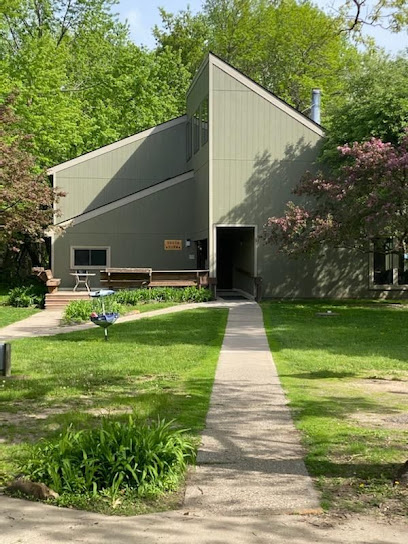
Stillwater, MN
Substance use treatment · Accepts clients on opioid medication but prescribed elsewhere · Cognitive behavioral therapy
Accepts: Cash or self-payment, Medicaid, Medicare
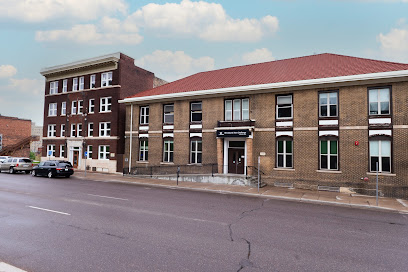
Duluth, MN
Substance use treatment · Accepts clients on opioid medication but prescribed elsewhere · Cognitive behavioral therapy
Accepts: Cash or self-payment, Medicaid, State-financed health insurance plan other than Medicaid
Duluth, MN
Substance use treatment · Accepts clients on opioid medication but prescribed elsewhere · Cognitive behavioral therapy
Accepts: Cash or self-payment, Medicaid, Medicare

Minneapolis, MN
Substance use treatment · Accepts clients on opioid medication but prescribed elsewhere · Cognitive behavioral therapy
Accepts: Cash or self-payment, Medicaid, Medicare
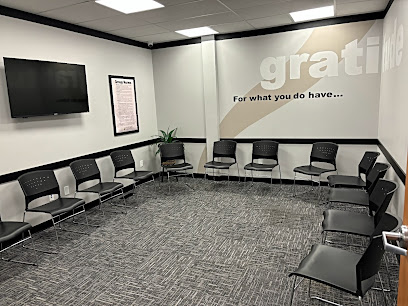
South Saint Paul, MN
Substance use treatment · Accepts clients on opioid medication but prescribed elsewhere · Cognitive behavioral therapy
Accepts: Cash or self-payment, Medicaid, Medicare
Grand Rapids, MN
Substance use treatment · Cognitive behavioral therapy · Dialectical behavior therapy
Accepts: Cash or self-payment, Medicaid, Medicare
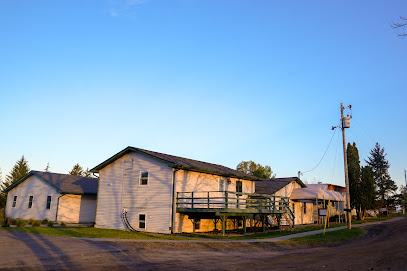
Pine City, MN
Substance use treatment · Accepts clients on opioid medication but prescribed elsewhere · Cognitive behavioral therapy
Accepts: Cash or self-payment, State-financed health insurance plan other than Medicaid, Private health insurance

Granite Falls, MN
Substance use treatment · Accepts clients on opioid medication but prescribed elsewhere · Cognitive behavioral therapy
Accepts: Cash or self-payment, Medicaid, State-financed health insurance plan other than Medicaid
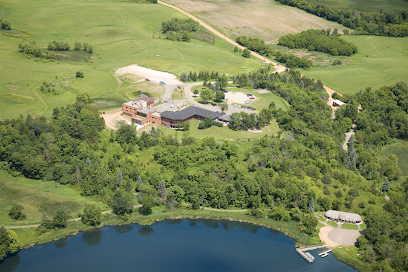
Loretto, MN
Substance use treatment · Cognitive behavioral therapy · Dialectical behavior therapy
Accepts: Cash or self-payment, State-financed health insurance plan other than Medicaid, Active duty military
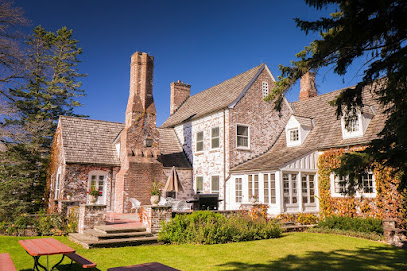
Owatonna, MN
Substance use treatment · Accepts clients on opioid medication but prescribed elsewhere · Cognitive behavioral therapy
Accepts: Cash or self-payment, Private health insurance
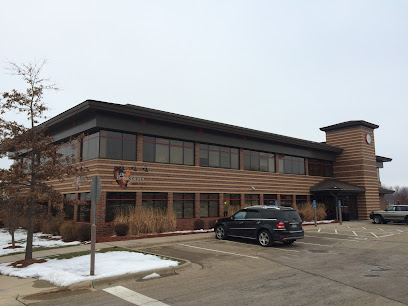
Lakeville, MN
Substance use treatment · Does not use medication for opioid addiction · Accepts clients on opioid medication but prescribed elsewhere
Accepts: Cash or self-payment, Medicaid, Medicare
Saint Paul, MN
Substance use treatment · Accepts clients on opioid medication but prescribed elsewhere · Cognitive behavioral therapy
Accepts: Cash or self-payment, Medicaid, Medicare
Saint Paul, MN
Substance use treatment · Cognitive behavioral therapy · Dialectical behavior therapy
Accepts: Cash or self-payment, Medicaid, State-financed health insurance plan other than Medicaid
Cottage Grove, MN
Substance use treatment · Cognitive behavioral therapy · Dialectical behavior therapy
Accepts: Cash or self-payment, Medicaid, State-financed health insurance plan other than Medicaid
Brainerd, MN
Substance use treatment · Accepts clients on opioid medication but prescribed elsewhere · Cognitive behavioral therapy
Accepts: Cash or self-payment, Medicaid, Medicare
Cloquet, MN
Substance use treatment · Cognitive behavioral therapy · Dialectical behavior therapy
Accepts: Cash or self-payment, State-financed health insurance plan other than Medicaid, Private health insurance
Duluth, MN
Substance use treatment · Accepts clients on opioid medication but prescribed elsewhere · SAMHSA-certified Opioid Treatment Program
Accepts: Cash or self-payment, Medicaid, Medicare
Cloquet, MN
Substance use treatment · Does not use medication for opioid addiction · Cognitive behavioral therapy
Accepts: Cash or self-payment, Medicaid, Medicare
Cloquet, MN
Substance use treatment · Does not use medication for opioid addiction · Cognitive behavioral therapy
Accepts: Cash or self-payment, Medicaid, Medicare
Our sponsored hotline can help you compare treatment options and next steps.
Minnesota holds a distinct place in the history of addiction treatment. The "Minnesota Model" of care — abstinence-based, multidisciplinary, and grounded in Twelve-Step principles — was developed here in the mid-20th century at Willmar State Hospital and the Hazelden Foundation in Center City, and it went on to shape residential rehab across the country. That legacy institution, now the Hazelden Betty Ford Foundation, is still headquartered in the state. But access is uneven. Minnesota stretches from the dense Twin Cities metro to the sparsely populated Iron Range and North Woods, where residents near Bemidji, Grand Rapids, and Duluth can drive hours to reach a licensed program. It is also home to 11 federally recognized tribal nations — seven Ojibwe bands and four Dakota communities — several of which run their own culturally specific recovery services. The state has taken an active policy role too: its 2019 Opiate Epidemic Response law funds part of Minnesota's opioid response through registration and licensing fees on opioid manufacturers and wholesalers, directing that money into a dedicated Opiate Epidemic Response Account projected to raise roughly $20 million a year (Minnesota Department of Human Services). Whether you are looking for yourself or a loved one, the options here run deep; the task is matching the right level of care to your situation.
Sober Nation lists 405 treatment centers across Minnesota, and they cluster where the population does. Minneapolis alone accounts for 73 listed centers and neighboring Saint Paul another 64, so the Twin Cities metro holds a large share of the state's total capacity. Beyond the metro, the counts thin quickly: Duluth and Rochester list 15 each, Bemidji 10, Saint Cloud 9, and Grand Rapids and Mankato 8 apiece, with Anoka and Hopkins at 6. For someone in a rural county, that distribution often means the nearest suitable program sits in a regional hub rather than their own town.
The clinical picture behind those numbers matters too. Statewide, an estimated 18% of Minnesotans aged 12 and older — about 886,000 people — met criteria for a substance use disorder in the past year, and the treatment gap is wide: roughly 78% of those who needed substance use care did not receive it (SAMHSA NSDUH, 2022–2023). Drug overdose deaths, which climbed sharply through the 2010s driven largely by synthetic opioids such as fentanyl, have recently begun to fall — dropping about 8% in 2023, from 1,384 to 1,274, the first statewide decline since 2018, with preliminary data showing a further decrease in 2024 (Minnesota Department of Health).
Treatment works as a continuum, and where you begin depends on how severe the substance use is and whether withdrawal is medically dangerous. Rather than a single "rehab," most people pass through more than one of these levels. Here is what Minnesota centers in our directory actually offer, and what each stage means for you:
If you are unsure where to start, an assessment at any licensed program can point you to the right level, and many centers will help arrange the transfer if you need something more or less intensive than you first thought.
Cost is the first barrier most families hit, but coverage in Minnesota is unusually broad. Of the centers listed here, 96% accept Medicaid — in Minnesota that program is called Medical Assistance — which makes public coverage the most widely accepted payment type in the state by a wide margin. Medicare is taken at 29% of centers, which matters if you or a parent qualifies through age or a disability. Minnesota expanded Medicaid eligibility under the Affordable Care Act, extending Medical Assistance to adults with household incomes up to 138% of the federal poverty level, and federal parity law — the Mental Health Parity and Addiction Equity Act — generally requires health plans that cover substance use and mental health treatment to do so on terms no more restrictive than other medical care, with some states applying stricter standards (CMS). For residents who are uninsured or underinsured, Minnesota also operates a Behavioral Health Fund that can help pay for treatment for those who meet its clinical and financial eligibility criteria, regardless of insurance status (Minnesota Department of Human Services). Private insurance and self-pay remain options as well, and some nonprofit and faith-based programs offer sliding-scale fees or scholarships for people who fall through the cracks. Before you commit to any program, confirm exactly what it bills for: ask about deductibles, the covered length of stay, what happens if you need a higher level of care, and any out-of-pocket costs you would owe.
If you are trying to find help right now, a handful of Minnesota resources are worth knowing. The state's designated single state agency for substance use services is the Minnesota Department of Human Services, Behavioral Health Division, which licenses treatment programs and administers public funding for care. NAMI Minnesota, the state chapter of the National Alliance on Mental Illness, offers free education, support groups, and staff who can help you make sense of mental health and co-occurring substance use needs. And if you or someone you love is in crisis, the 988 Suicide and Crisis Lifeline connects you to trained counselors 24 hours a day by call or text; it handles substance use and emotional crises too, not only thoughts of suicide. Your county social services office is another practical starting point — it can arrange a publicly funded chemical health assessment and connect you to treatment near you.