Axis Health System Columbine Behavioral Healthcare
Durango, CO
- IOP
- MAT
Substance use treatment · Cognitive behavioral therapy · Dialectical behavior therapy
Accepts: Cash or self-payment, Medicaid, Medicare


Find a free or private addiction rehab center in Colorado. Use our search-by-city tool to find recovery near you.
383 centers found (41–60)
Durango, CO
Substance use treatment · Cognitive behavioral therapy · Dialectical behavior therapy
Accepts: Cash or self-payment, Medicaid, Medicare
Westminster, CO
Substance use treatment · Accepts clients on opioid medication but prescribed elsewhere · Cognitive behavioral therapy
Accepts: Medicaid, Payment assistance
Glenwood Springs, CO
Substance use treatment · Accepts clients on opioid medication but prescribed elsewhere · Cognitive behavioral therapy
Accepts: Cash or self-payment, Medicaid, Private health insurance
Lone Tree, CO
Substance use treatment · Cognitive behavioral therapy · Dialectical behavior therapy
Accepts: Cash or self-payment, State-financed health insurance plan other than Medicaid, Private health insurance

Englewood, CO
Substance use treatment · Accepts clients on opioid medication but prescribed elsewhere · Cognitive behavioral therapy
Accepts: Cash or self-payment, Private health insurance, Military insurance
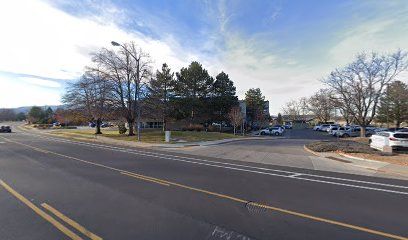
Fort Collins, CO
Substance use treatment · Cognitive behavioral therapy · Dialectical behavior therapy
Accepts: Cash or self-payment, Medicaid, Medicare
Colorado Springs, CO
Substance use treatment · Accepts clients on opioid medication but prescribed elsewhere · Cognitive behavioral therapy
Accepts: Cash or self-payment, Medicaid, Medicare
Pueblo, CO
Substance use treatment · SAMHSA-certified Opioid Treatment Program · Cognitive behavioral therapy
Accepts: Cash or self-payment, Medicaid, Sliding fee scale
Commerce City, CO
Substance use treatment · Accepts clients on opioid medication but prescribed elsewhere · Cognitive behavioral therapy
Accepts: Cash or self-payment, Private health insurance, Military insurance

Lone Tree, CO
Substance use treatment · Accepts clients on opioid medication but prescribed elsewhere · Cognitive behavioral therapy
Accepts: Cash or self-payment, Private health insurance, Military insurance
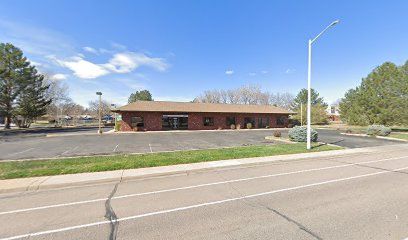
Longmont, CO
Substance use treatment · Accepts clients on opioid medication but prescribed elsewhere · SAMHSA-certified Opioid Treatment Program
Accepts: Cash or self-payment, Medicaid, Medicare
Durango, CO
Substance use treatment · SAMHSA-certified Opioid Treatment Program · Cognitive behavioral therapy
Accepts: Cash or self-payment, Medicaid, Medicare
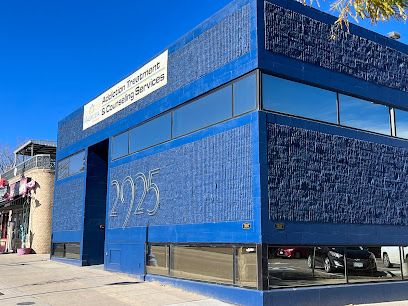
Denver, CO
Substance use treatment · Cognitive behavioral therapy · Substance abuse counseling
Accepts: Cash or self-payment, Medicaid, Medicare
Montrose, CO
Substance use treatment · Accepts clients on opioid medication but prescribed elsewhere · Cognitive behavioral therapy
Accepts: Cash or self-payment, Medicaid, Medicare

Littleton, CO
Substance use treatment · Accepts clients on opioid medication but prescribed elsewhere · Cognitive behavioral therapy
Accepts: Cash or self-payment, Medicaid, Private health insurance
Arvada, CO
Substance use treatment · Accepts clients on opioid medication but prescribed elsewhere · Cognitive behavioral therapy
Accepts: Cash or self-payment, Private health insurance
Antonito, CO
Substance use treatment · Accepts clients on opioid medication but prescribed elsewhere · Cognitive behavioral therapy
Accepts: Cash or self-payment, Medicaid, Medicare

San Luis, CO
Substance use treatment · Accepts clients on opioid medication but prescribed elsewhere · Cognitive behavioral therapy
Accepts: Cash or self-payment, Medicaid, Medicare
Center, CO
Substance use treatment · Accepts clients on opioid medication but prescribed elsewhere · Cognitive behavioral therapy
Accepts: Cash or self-payment, Medicaid, Medicare
Sterling, CO
Substance use treatment · Cognitive behavioral therapy · Dialectical behavior therapy
Accepts: Cash or self-payment, Medicaid, Medicare
Our sponsored hotline can help you compare treatment options and next steps.
Sober Nation lists 383 treatment centers across Colorado, and they track the state's population closely. Denver alone accounts for 87 of them, followed by Colorado Springs with 26 and Aurora with 18. Littleton and Pueblo each list 13, while Englewood (12), Wheat Ridge (11), and Longmont, Greeley, and Boulder (10 apiece) round out the busiest cities. Almost all of that capacity sits along the Front Range corridor, which is worth keeping in mind if you live elsewhere in the state.
The service mix shows what most of these programs actually do. Outpatient care is nearly universal — 94% of listed centers offer it — and 87% provide some form of aftercare, the ongoing support that follows formal treatment. Medication-assisted treatment is available at 39%. Higher-intensity options are considerably scarcer: only 14% list detox and 12% list residential care, so those beds warrant an early phone call.
The wider need is substantial. Federal survey data estimate that about 22% of Coloradans aged 12 or older — roughly 1.1 million people — met the criteria for a substance use disorder in the past year, and among those classified as needing substance use treatment, nearly 77% did not receive it (SAMHSA NSDUH, 2022–2023). Colorado's age-adjusted drug overdose death rate was 25.7 per 100,000 in 2024, with 1,610 deaths — modestly above the national rate of 23.1 per 100,000 and down from its 2023 level (CDC WONDER, via CDC NCHS, 2024).
Deciding where to start usually comes down to how much structure and medical support you need, and the mix of care in Colorado shapes what is realistic.
Detox — medically supervised withdrawal — is the entry point for anyone physically dependent on alcohol or opioids, where clinicians manage symptoms safely over a few days. It is the scarcest level in the state, listed by just 14% of Colorado centers, so it is worth lining up early. Residential, or inpatient, care means living on-site for weeks of structured treatment away from daily triggers; at 12% of listed centers, these beds are limited and tend to fill quickly. Outpatient programs, offered by 94% of centers, let you keep living at home while attending scheduled sessions, and they span a wide range — from a couple of hours a week to near-daily intensive outpatient schedules that rival residential in hours of care. Medication-assisted treatment, available at 39%, pairs medication such as buprenorphine, methadone, or naltrexone with counseling and is considered a standard of care for opioid use disorder. Aftercare, listed by 87%, covers the follow-up that keeps recovery going once a program ends. In practice most people move through several of these levels rather than picking just one — for example, detox into residential, then outpatient and aftercare.
Cost is often the first question people ask, and coverage in Colorado is broader than many expect. Among the centers listed here, 62% accept Medicaid and 33% accept Medicare, which means public insurance is a realistic route for a large share of residents rather than a fallback.
Colorado expanded Medicaid eligibility under the Affordable Care Act, so many low-income adults qualify for behavioral health coverage through the state program, Health First Colorado, which lists mental health and substance use services among its covered benefits. On top of that, state and federal parity laws — chiefly the federal Mental Health Parity and Addiction Equity Act — generally require most health plans that cover substance use and mental health treatment to do so on terms comparable to other medical care, which can limit what you pay out of pocket.
If you are uninsured or underinsured, don't assume treatment is out of reach. Ask each program directly about sliding-scale fees, payment plans, and any state-funded treatment slots — availability varies quite a bit from one provider to the next. It is also worth remembering that a listing may not capture every plan a facility accepts; admissions staff can usually verify your specific benefits in a single phone call. Do your research, ask questions, and don't rule a center out on price before you have actually spoken with them. You are your own best advocate.
A few Colorado-specific resources are worth bookmarking before you call any facility.
Colorado's Behavioral Health Administration (BHA) is the state agency responsible for behavioral health, including substance use services; it oversees provider licensing and designation and administers the federal block-grant funds behind many of the treatment slots available to uninsured residents. NAMI Colorado, the state chapter of the National Alliance on Mental Illness, runs free support groups and family education for people affected by co-occurring mental health and substance use conditions. And if you or someone you love is in crisis right now, the 988 Suicide and Crisis Lifeline connects you to trained counselors 24/7 by call or text — you do not have to be suicidal to use it.
When in doubt, these organizations can point you toward vetted, in-state help at no cost.