


At a Glance
Location
1128 Highway 21 East, Bastrop, TX 78602
Phone
888-486-6717Primary Focus
Treatment Settings
Treatment Approaches
Special Programs
About Willow Springs Recovery
Willow Springs Recovery is a Joint Commission-accredited residential rehab center located in Bastrop, TX, just outside of Austin, offering a full continuum of care from residential treatment through outpatient programming. The center treats adults facing addiction and co-occurring mental health conditions, with therapeutic options that include 12-step, SMART Recovery, CBT, and holistic rehab. Aftercare support is built into the program to help residents sustain long-term recovery.
Willow Springs Recovery is a residential addiction treatment center situated along TX-21 in Bastrop, Texas, just outside the Austin metro area. Accredited by the Joint Commission, it operates 24 hours a day and serves adults seeking structured, longer-term recovery from drug and alcohol addiction — positioning itself as one of the Austin area's leading rehab options for those ready to commit to real change beyond short-term stabilization.
The center offers a full continuum of care designed to support residents at every stage of their recovery. Levels of care include Residential Treatment, Partial Hospitalization (PHP), Intensive Outpatient (IOP), and a standard Outpatient Program. This stepped-down structure means clients can move from higher-intensity residential care through progressively less restrictive outpatient programming without losing continuity of treatment — a critical factor in sustaining long-term sobriety.
Willow Springs takes a multi-pathway approach to treatment, giving clients access to both 12-step and non-12-step frameworks, including SMART Recovery. Cognitive Behavioral Therapy and holistic rehab round out the clinical toolkit. The center also treats dual diagnosis conditions — including depression, anxiety, post-traumatic stress, and bipolar disorder — recognizing that addiction rarely travels alone. Facility amenities include comfortable rooms with flat screen TVs, a cafeteria, and access to outside meetings, which connect residents to the broader recovery community.
Willow Springs serves adults dealing with alcohol addiction, drug addiction, opioid addiction, heroin addiction, meth addiction, and cocaine addiction, as well as those managing co-occurring mental health diagnoses. With aftercare support built into the programming, the center is designed for individuals who are thinking beyond detox and looking for a recovery partner that stays engaged after residential treatment ends. For families and individuals in the greater Austin area evaluating long-term substance abuse treatment options, Willow Springs offers a credentialed, structured setting with room to grow.
A Full Recovery Continuum Near Austin, TX
Willow Springs Recovery sits on TX-21 in Bastrop County, roughly a short drive outside Austin — close enough to the metro for family involvement, but removed enough to provide the focused environment that residential treatment requires. The facility operates around the clock, seven days a week, and holds Joint Commission accreditation, a credential that reflects consistent clinical and operational standards.
What sets the center apart in the Austin-area rehab landscape is its ability to walk a client through multiple stages of recovery without a handoff to a separate facility. Residential Treatment is the starting point for those needing the most structure, and from there, clients can transition into PHP, IOP, or a standard Outpatient Program as their recovery stabilizes. This continuity matters — research and lived experience both point to the risks of gaps between levels of care.
Treatment Approaches and Therapeutic Methods
Willow Springs Recovery offers multiple therapeutic frameworks rather than a one-size-fits-all model. Clients can engage with 12-step programming, a model with deep roots in the peer recovery community, or choose a non-12-step path through SMART Recovery, which uses a self-management and cognitive skills-based framework. Cognitive Behavioral Therapy (CBT) is also part of the clinical offering, helping clients identify and shift the thought patterns that fuel addictive behavior.
Holistic rehab rounds out the treatment menu, addressing the physical and psychological dimensions of recovery alongside the clinical work. Outside meetings connect residents to recovery communities beyond the facility walls — an important bridge for people thinking about what sustained sobriety looks like after treatment ends. For those managing co-occurring mental health conditions alongside addiction, the center's dual diagnosis capabilities mean those issues are addressed together rather than in isolation.
Aftercare and Long-Term Recovery Support
Completing a residential program is a milestone, not a finish line. Willow Springs Recovery includes aftercare support as part of its programming — an acknowledgment that the transition out of structured residential treatment is one of the most vulnerable periods in a person's recovery. Aftercare planning connects graduates to ongoing resources, accountability, and community, which are the building blocks of durable sobriety.
For families researching recovery centers on behalf of a loved one, the presence of structured aftercare is one of the clearest indicators that a facility is invested in long-term outcomes, not just short-term stabilization. Willow Springs serves adults across the spectrum of addiction and co-occurring mental health challenges, making it a practical option for those who need more than detox — they need a program built for the long road.
Who Willow Springs Recovery Serves
The center treats adults dealing with alcohol addiction, drug addiction, opioid addiction, heroin addiction, meth addiction, and cocaine addiction. Dual diagnosis treatment is available for those navigating depression, anxiety, post-traumatic stress, and bipolar disorder alongside their substance use. The facility does not restrict intake to a single substance type or a single mental health profile, which reflects a realistic view of how addiction and mental health overlap in practice.
Adults in the greater Austin, Texas area who are evaluating substance abuse treatment options — whether for themselves or a family member — can reach Willow Springs Recovery at (844) 215-4498 or by emailing [email protected]. The center's 24-hour operating schedule means someone is available to answer questions and discuss program fit at any time.
Why Choose Willow Springs Recovery
- Full continuum from residential treatment through outpatient programming, allowing step-down care without switching facilities
- Joint Commission accreditation signals a higher standard of clinical accountability for those evaluating long-term recovery centers
- Both 12-step and non-12-step pathways available, including SMART Recovery — giving adults options that fit their values and recovery style
- Dual diagnosis treatment for co-occurring conditions like depression, anxiety, PTSD, and bipolar disorder is integrated into the program
- Aftercare support built into the treatment model keeps residents connected to recovery resources after residential care ends
Frequently Asked Questions
What levels of care does Willow Springs Recovery offer?
Willow Springs Recovery provides Residential Treatment, Partial Hospitalization (PHP), Intensive Outpatient (IOP), and a standard Outpatient Program. This full continuum allows clients to transition through decreasing levels of structure as their recovery progresses, all within the same facility. Having multiple levels of care in one place reduces the disruption that can come from changing treatment providers mid-recovery.
Is Willow Springs Recovery accredited?
Yes. Willow Springs Recovery holds accreditation from the Joint Commission, one of the most recognized credentialing bodies in behavioral health and addiction treatment. The center is also LegitScript certified. These credentials indicate that the facility meets defined standards for clinical quality and operational integrity.
Does Willow Springs treat co-occurring mental health conditions?
Yes. Willow Springs Recovery offers dual diagnosis treatment, addressing co-occurring conditions including depression, anxiety, post-traumatic stress, and bipolar disorder alongside addiction. Treating both simultaneously is important because unaddressed mental health conditions are a common factor in relapse.
What therapeutic approaches are used at Willow Springs Recovery?
The center offers both 12-step and non-12-step pathways, including SMART Recovery. Cognitive Behavioral Therapy (CBT) and holistic rehab are also part of the treatment framework. Offering multiple approaches means clients are not locked into a single model of recovery and can find a pathway that fits their background and goals.
Does Willow Springs Recovery offer aftercare support?
Yes. Aftercare support is a confirmed component of the programming at Willow Springs Recovery. Aftercare is designed to keep clients connected to resources and accountability after they complete residential or intensive outpatient treatment, which is a critical period for sustaining long-term sobriety.
Where is Willow Springs Recovery located?
Willow Springs Recovery is located at 1128 TX-21 in Bastrop, Texas 78602, in Bastrop County just outside of Austin. The setting provides a structured, focused environment while remaining accessible to families in the greater Austin metro area.
What addictions does Willow Springs Recovery treat?
The center treats alcohol addiction, drug addiction, opioid addiction, heroin addiction, meth addiction, and cocaine addiction in adults. It also addresses dual diagnosis conditions, recognizing that many people seeking addiction treatment are also managing underlying mental health challenges.
Is Willow Springs Recovery open around the clock?
Yes. Willow Springs Recovery operates 24 hours a day. That means intake inquiries, admissions questions, and support are available at any time — which matters for individuals and families who may be ready to take action outside of standard business hours.
Does Willow Springs offer both 12-step and non-12-step recovery options?
Yes. Willow Springs Recovery supports both 12-step programming and non-12-step alternatives, including SMART Recovery. This flexibility is meaningful for adults who have strong preferences about how they approach their recovery, or who have tried one model before without success.
How can I contact Willow Springs Recovery to learn more?
You can reach Willow Springs Recovery by phone at (844) 215-4498 or by email at [email protected]. The facility operates 24 hours a day, so someone is available to discuss program details, levels of care, and admission at any time. You can also visit their website at willowspringsrecovery.com.
Nearby Treatment Centers
Bluebonnet Trails Community Services Bluebonnet Trails Recovery
Bastrop, TX
- IOP
Substance use treatment · Accepts clients on opioid medication but prescribed elsewhere · Cognitive behavioral therapy
Accepts: Cash or self-payment, Medicaid, Private health insurance

Renewal Lodge by Burning Tree
Elgin, TX
- Residential
- MAT
Substance use treatment · Accepts clients on opioid medication but prescribed elsewhere · Cognitive behavioral therapy
Accepts: Cash or self-payment, State-financed health insurance plan other than Medicaid, Private health insurance
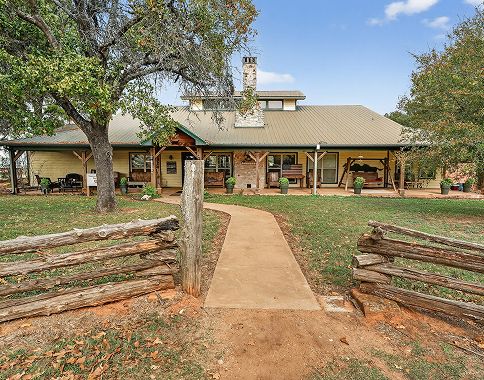
Last Resort Recovery Center
Smithville, TX
- Detox
- Residential
- PHP
- IOP
Substance use treatment · Cognitive behavioral therapy · Dialectical behavior therapy
Accepts: Cash or self-payment, Private health insurance, Active duty military

BRC Recovery
Manor, TX
- Detox
- PHP
- IOP
- MAT
Substance use treatment · Cognitive behavioral therapy · Dialectical behavior therapy
Accepts: Cash or self-payment, Private health insurance
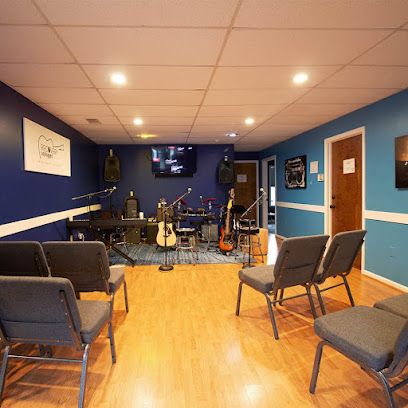
Recovery Unplugged Austin
Austin, TX
- Detox
- Residential
- MAT
Substance use treatment · Accepts clients on opioid medication but prescribed elsewhere · Cognitive behavioral therapy
Accepts: Cash or self-payment, Private health insurance, Military families

New Hope Ranch
Manor, TX
- Detox
- Residential
- MAT
Substance use treatment · Cognitive behavioral therapy · Dialectical behavior therapy
Accepts: Cash or self-payment, State-financed health insurance plan other than Medicaid, Private health insurance