

 1 / 2
1 / 2At a Glance
Primary Focus
Treatment Settings
Treatment Approaches
Special Programs
About Last Resort Recovery Center
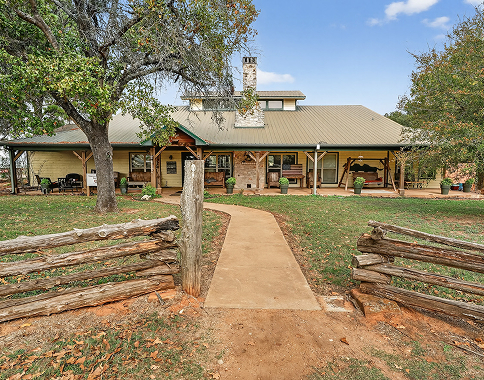
Last Resort Recovery Center in Smithville, TX offers a structured 90-day men's residential rehab program with medical detox, sober living, and robust aftercare support. Serving men across a range of backgrounds — including veterans, first responders, and healthcare professionals — the center provides a continuum of care designed for lasting recovery, not just short-term stabilization.
Last Resort Recovery Center is a men's residential treatment center located in Smithville, Texas, in Bastrop County. Operating around the clock every day of the week, the facility delivers a full continuum of addiction treatment and recovery support — from medical detox through long-term aftercare — making it a meaningful option for men and their families who are thinking beyond the immediate crisis and toward sustained sobriety.
The center's care continuum spans medical detox, residential and inpatient rehab, Partial Hospitalization Program (PHP), Intensive Outpatient Program (IOP), and a Virtual IOP for men transitioning back to everyday life. Beyond those primary levels of care, Last Resort offers a dedicated Family Addiction Program, sober living, an Aftercare and Relapse Prevention Program, and a Return to Recovery Program for those who need to re-engage after a setback. Alumni Services rounds out the support structure, connecting men with a recovery community that extends well past their time in residential treatment.
Last Resort's 90-day men's residential program is built around a clinical framework that draws on 12-Step principles, individual and group therapy, family therapy, life skills development, yoga therapy, fitness therapy, experiential therapy, and psychodrama. The clinical team holds credentials including LPC-S, LCSW, CSAT, and LCDC, and includes specialists in trauma, family wellness, and outpatient services. Dual diagnosis care is available for men navigating co-occurring conditions such as depression, anxiety disorders, bipolar disorder, ADHD, and codependency alongside substance use.
Last Resort specifically serves men — including young adults, older adults, business professionals, military veterans, college students, first responders, and healthcare professionals — populations that often carry distinct pressures and stigmas around seeking help. The depth of its aftercare programming, including sober living, alumni services, and a Return to Recovery Program, reflects a philosophy that recovery is a long-term process requiring ongoing community and accountability, not a single episode of treatment.
A Full Continuum of Care for Men's Long-Term Recovery
Last Resort Recovery Center structures its programming around the reality that addiction recovery doesn't end at discharge. The center's levels of care move men from medical detox and residential rehab through PHP, IOP, and a Virtual IOP — creating a stepdown model that adjusts intensity as men rebuild their daily lives. Sober living options and a formal Aftercare and Relapse Prevention Program extend that structure further, giving men a framework for accountability long after they leave the residential setting.
The Return to Recovery Program sets Last Resort apart from many residential treatment centers. Rather than treating a relapse as a failure and a fresh start, the program offers men a structured path back into treatment — an acknowledgment that recovery is rarely linear and that sustained sobriety often requires more than one chapter of serious engagement. Combined with Alumni Services managed by dedicated staff, the center maintains a recovery community that men can return to and rely on over time.
Who Last Resort Recovery Center Serves
Last Resort is a men's-only residential treatment center, and its programming reflects the specific populations it has built expertise around. Veterans and active military, first responders, healthcare professionals, business professionals, college students, young adults, and older adults are all explicitly served — groups that often carry distinct professional or cultural barriers to seeking addiction treatment and benefit from a peer environment that understands those pressures.
The center also addresses dual diagnosis, treating co-occurring conditions including depression, anxiety disorders, bipolar disorder, ADHD, codependency, and grief and loss alongside substance use disorders. A Director of Trauma and Family Wellness on the clinical team, credentialed as an LCSW and CSAT, signals the center's commitment to treating the full picture of a man's recovery needs — not just the substance use in isolation.
Therapeutic Approach and Clinical Team
The clinical framework at Last Resort draws on 12-Step principles alongside a range of therapeutic modalities including individual therapy, group therapy, family therapy, solution-focused brief therapy, psychodrama, experiential therapy, yoga therapy, fitness therapy, addiction education, and life skills training. This breadth reflects the center's view that recovery requires more than clinical sessions alone — it requires building the practical and emotional capacity to live sober outside of treatment.
The clinical team includes a licensed professional counselor supervisor (LPC-S) serving as Clinical Director, a licensed clinical social worker and certified sex addiction therapist (LCSW, CSAT) leading trauma and family services, and multiple licensed chemical dependency counselors (LCDCs) supporting both residential and outpatient programming. A dedicated Director of Outpatient Services ensures that the transition from residential to IOP and aftercare is managed by someone whose full focus is that critical handoff in the recovery continuum.
Family Addiction Program and Recovery Support
Recovery affects entire families, and Last Resort's programming acknowledges that directly. The center offers a dedicated Family Addiction Program as a named level of care — not just an add-on or an occasional family weekend — alongside family therapy as a core therapeutic method. The presence of a Director of Trauma and Family Wellness on staff reflects a clinical investment in family healing as part of the overall substance abuse treatment model.
For families evaluating long-term residential rehab options for a man in their lives, Last Resort's combination of family-specific programming, aftercare planning, sober living connections, and alumni services means the support structure doesn't disappear at the 90-day mark. The recovery community the center builds around each man is designed to remain accessible as he returns to work, family, and daily life.
Why Choose Last Resort Recovery Center
- 90-day men's residential program — longer than the standard 30-day model — built for durable recovery, not quick turnaround
- Full continuum from medical detox through sober living and alumni services, keeping men connected to their recovery community after discharge
- Return to Recovery Program specifically designed for men who need to re-engage after a relapse — rare among residential treatment centers
- Dedicated Family Addiction Program and a Director of Trauma and Family Wellness on staff, recognizing recovery as a family process
- Serves distinct populations — veterans, first responders, healthcare professionals, and business professionals — who face unique recovery challenges
Frequently Asked Questions
What levels of care does Last Resort Recovery Center offer?
Last Resort offers a full continuum that includes medical detox, residential and inpatient rehab, Partial Hospitalization Program (PHP), Intensive Outpatient Program (IOP), and a Virtual IOP. The center also provides a Family Addiction Program, sober living, an Aftercare and Relapse Prevention Program, a Return to Recovery Program, and Alumni Services — giving men structured support at every stage of their recovery.
How long is the residential program at Last Resort?
Last Resort's core residential program is a 90-day men's program. This longer-than-average length of stay is designed to give men the time needed to address the underlying patterns of addiction and build the skills and community connections required for lasting sobriety.
Is Last Resort Recovery Center a men's-only program?
Yes. Last Resort is a men's-only residential treatment center. The program is designed specifically for men, including distinct populations such as veterans, first responders, healthcare professionals, business professionals, college students, young adults, and older adults.
Does Last Resort offer medical detox?
Yes. Medical detox is the first level of care in Last Resort's continuum, available to men who need supervised withdrawal management before entering the residential rehab program. The center operates 24 hours a day, seven days a week.
What happens after residential treatment at Last Resort?
After completing residential treatment, men at Last Resort have access to a structured aftercare continuum that includes PHP, IOP, Virtual IOP, an Aftercare and Relapse Prevention Program, sober living, and Alumni Services. The Return to Recovery Program is also available for men who need to re-engage with treatment following a relapse.
Does Last Resort treat dual diagnosis — mental health alongside addiction?
Yes. Last Resort addresses co-occurring conditions including depression, anxiety disorders, bipolar disorder, ADHD, codependency, and grief and loss alongside substance use disorders. The clinical team includes specialists in trauma and family wellness to support men whose recovery involves mental health treatment.
What therapeutic methods are used in the program?
The program draws on 12-Step principles, individual therapy, group therapy, family therapy, solution-focused brief therapy, psychodrama, experiential therapy, yoga therapy, fitness therapy, addiction education, and life skills training. This combination is intended to address recovery on multiple levels — clinical, behavioral, and practical.
Does Last Resort have a program specifically for veterans or first responders?
Yes. Military veterans and first responders are among the specific populations Last Resort serves. The center's men's-only environment and peer-based programming are designed to support men from high-pressure professional backgrounds who may face unique cultural barriers to seeking addiction treatment.
Is there a program for families at Last Resort?
Yes. Last Resort offers a dedicated Family Addiction Program as a distinct level of care, alongside family therapy as part of its clinical approach. The center also has a Director of Trauma and Family Wellness on staff, reflecting a clinical commitment to including families in the recovery process.
Where is Last Resort Recovery Center located?
Last Resort Recovery Center is located at 1620 Farm to Market 535 D, Smithville, Texas 78957, in Bastrop County. The center can be reached by phone at (512) 706-9924 and operates 24 hours a day, seven days a week.
Nearby Treatment Centers
Bluebonnet Trails Community Services Bluebonnet Trails Recovery
Bastrop, TX
- IOP
Substance use treatment · Accepts clients on opioid medication but prescribed elsewhere · Cognitive behavioral therapy
Accepts: Cash or self-payment, Medicaid, Private health insurance
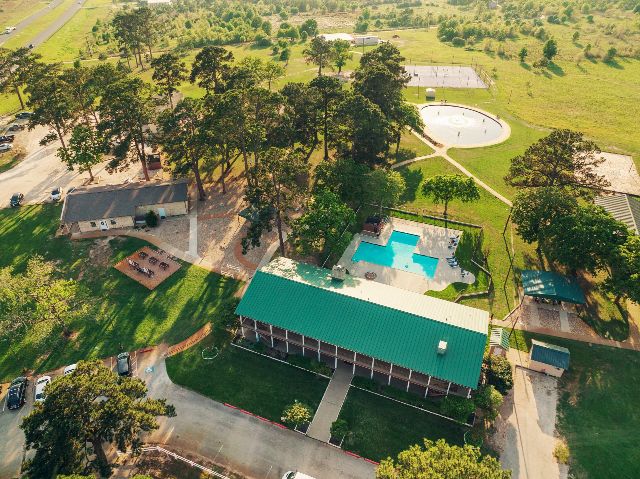
Willow Springs Recovery
Bastrop, TX
- Detox
- Residential
- MAT
Substance use treatment · Cognitive behavioral therapy · Dialectical behavior therapy
Accepts: Cash or self-payment, Private health insurance
Bluebonnet Trails Community Services Bluebonnet Trails Recovery
La Grange, TX
- IOP
Substance use treatment · Accepts clients on opioid medication but prescribed elsewhere · Cognitive behavioral therapy
Accepts: Cash or self-payment, Medicaid, Private health insurance
Bluebonnet Trails Community Services Bluebonnet Trails Recovery
Lockhart, TX
- IOP
Substance use treatment · Accepts clients on opioid medication but prescribed elsewhere · Cognitive behavioral therapy
Accepts: Cash or self-payment, Medicaid, Private health insurance
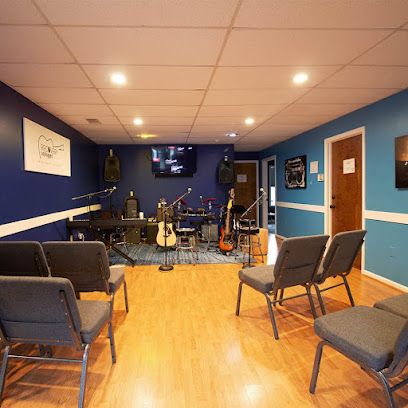
Recovery Unplugged Austin
Austin, TX
- Detox
- Residential
- MAT
Substance use treatment · Accepts clients on opioid medication but prescribed elsewhere · Cognitive behavioral therapy
Accepts: Cash or self-payment, Private health insurance, Military families

Renewal Lodge by Burning Tree
Elgin, TX
- Residential
- MAT
Substance use treatment · Accepts clients on opioid medication but prescribed elsewhere · Cognitive behavioral therapy
Accepts: Cash or self-payment, State-financed health insurance plan other than Medicaid, Private health insurance