

At a Glance
Location
2711 West Roosevelt Road, Little Rock, AR 72204
Phone
501-313-0066Primary Focus
Treatment Settings
Treatment Approaches
Special Programs
About Serenity Park Treatment Center
Serenity Park Treatment Center in Little Rock, Arkansas offers a full continuum of care — from medical detox through residential treatment and outpatient programming — for men navigating substance use and co-occurring disorders. CARF-accredited and open 24 hours, the center serves a range of populations including veterans, young adults, and seniors, with Cognitive Behavioral Therapy anchoring its clinical approach.
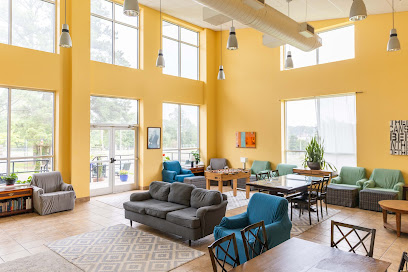
Serenity Park Treatment Center sits at 2711 West Roosevelt Road in Little Rock, Arkansas, operating around the clock as a CARF-accredited substance use treatment facility. With a residential capacity of 20, it offers the kind of close-knit recovery environment where clinical attention is not spread thin. For individuals and families evaluating a long-term recovery partner rather than a one-size-fits-all program, the center's breadth of care levels — under one roof — sets it apart from narrower outpatient-only or detox-only providers in the region.
The treatment continuum at Serenity Park moves through three distinct levels of care: medical detox, residential treatment, and an outpatient program. Medical detox provides structured support during the earliest and most physically demanding phase of recovery. Residential treatment then allows clients to remain immersed in a recovery-focused environment as they build the skills and routines that support lasting sobriety. The outpatient program extends that support for those transitioning back toward daily life, bridging the gap between intensive care and independent living.
Cognitive Behavioral Therapy (CBT) forms the clinical backbone of Serenity Park's treatment approach. CBT is well-suited to the dual-focus work the center does: addressing both substance use and the co-occurring mental health conditions — including trauma and PTSD — that so often accompany it. The facility's dual diagnosis capability means clients are not referred elsewhere when underlying mental health needs surface; that work happens as part of the recovery process itself. The leadership team includes Medical Director Dr. Paul Daidone, Clinical Director Mark White (LPC-CEAP), and Director of Nursing Krystal Coleman (RN), reflecting a clinical structure that spans medical, therapeutic, and nursing disciplines.
Serenity Park serves men specifically, with dedicated programming recognition for veterans, young adults ages 18 to 25, seniors and older adults, individuals with HIV/AIDS support needs, and those entering treatment through court order. This breadth of population experience matters for family members trying to find a center that genuinely understands the context a loved one is coming from. The facility accepts private insurance and self-pay, and its 24-hour operating schedule means access is not gated by business hours.
A Full Recovery Continuum in Little Rock, Arkansas
Serenity Park Treatment Center provides medical detox, residential treatment, and an outpatient program at a single CARF-accredited location in Little Rock. For individuals and families mapping out a longer recovery journey, having all three levels of care available through one center reduces the disruption that comes with transferring between providers at critical moments in treatment.
The center operates 24 hours a day, which means intake and support are not limited to a standard business window. With a residential capacity of 20, Serenity Park maintains a smaller program footprint — a meaningful distinction for those who want sustained clinical attention rather than a high-volume facility experience.
Dual Diagnosis Treatment: Addressing Trauma and Co-Occurring Disorders
Serenity Park is equipped to treat co-occurring disorders and dual diagnosis presentations, including trauma and PTSD. This matters because substance use and mental health conditions frequently overlap, and a program that treats only one side of that equation often leaves the other unaddressed. At Serenity Park, dual diagnosis treatment is part of the core clinical offering, not an add-on.
Cognitive Behavioral Therapy (CBT) is the primary therapeutic method confirmed at the center. CBT is particularly well-matched to dual diagnosis work, as it builds concrete skills for managing thought patterns, emotional responses, and behavioral triggers — the kind of foundational recovery tools that continue to serve clients long after formal treatment ends.
Who Serenity Park Serves
Serenity Park's programs are designed for men, with specific population experience spanning veterans, young adults (ages 18–25), seniors and older adults, individuals with HIV/AIDS support needs, and those entering treatment through court order. That range of experience signals a clinical team accustomed to meeting clients at different life stages and with different external pressures shaping their recovery.
For family members supporting a loved one through this process, knowing that a center has worked with comparable populations — including veterans navigating service-related trauma, or older adults managing age-specific health considerations — can inform the decision between a general program and one with demonstrated relevant experience.
Payment and Access at Serenity Park
Serenity Park Treatment Center accepts private insurance and self-pay arrangements. Families evaluating the financial side of residential treatment or outpatient programming can contact the center directly at (501) 229-6100 to discuss what coverage may apply and what self-pay options look like for each level of care.
The center's 24-hour schedule means that reaching out does not have to wait for a weekday window. For those coordinating care from outside Little Rock or managing time-sensitive decisions, that accessibility is a practical advantage worth noting.
Why Choose Serenity Park Treatment Center
- Full continuum from medical detox to outpatient program — all within one CARF-accredited facility in Little Rock
- Specialized experience serving veterans, court-ordered individuals, seniors, and young adults aged 18–25
- Dual diagnosis treatment addressing trauma and PTSD alongside substance use, not as a separate referral
- Residential capacity of 20 supports a lower-volume, more attentive recovery environment
- 24-hour operations with a named medical director, clinical director (LPC-CEAP), and director of nursing (RN) on the leadership team
Frequently Asked Questions
What levels of care does Serenity Park Treatment Center offer?
Serenity Park provides three levels of care: medical detox, residential treatment, and an outpatient program. This continuum allows clients to move through the recovery process — from initial withdrawal support through longer-term residential care and into outpatient programming — without transferring to a different facility at each stage.
Does Serenity Park treat co-occurring mental health conditions alongside substance use?
Yes. The center is equipped to address co-occurring disorders and dual diagnosis presentations, including trauma and PTSD. Treating both substance use and mental health conditions together — rather than in sequence or through separate referrals — is part of the clinical model at Serenity Park.
What therapeutic approach does Serenity Park use?
Cognitive Behavioral Therapy (CBT) is the confirmed therapeutic method at Serenity Park. CBT helps clients identify and shift the thought patterns and behaviors that contribute to substance use, and it is well-suited to dual diagnosis treatment, including trauma-related work.
Is Serenity Park accredited?
Yes. Serenity Park Treatment Center holds CARF accreditation. CARF (Commission on Accreditation of Rehabilitation Facilities) is an internationally recognized accrediting body for substance use treatment and rehabilitation programs, and accreditation indicates the center has met established standards for quality of care.
Which populations does Serenity Park specifically serve?
Serenity Park serves men, with recognized experience supporting veterans, young adults ages 18 to 25, seniors and older adults, individuals with HIV/AIDS support needs, and those entering treatment through court order. This range of population experience is relevant for families trying to find a center that fits their loved one's specific background and circumstances.
Does Serenity Park offer medical detox?
Yes. Medical detox is one of the confirmed levels of care at Serenity Park. It represents the first phase of the treatment continuum, providing structured support during the physical withdrawal process before clients transition into residential treatment or other levels of care.
What payment options does Serenity Park accept?
Serenity Park accepts private insurance and self-pay. Prospective clients and family members can call (501) 229-6100 to discuss coverage and payment arrangements for any of the center's levels of care, including medical detox, residential treatment, and the outpatient program.
What are Serenity Park's operating hours?
Serenity Park Treatment Center operates 24 hours a day. This means inquiries, admissions coordination, and support are not restricted to standard business hours — a practical consideration for families managing time-sensitive treatment decisions.
How large is Serenity Park's residential program?
Serenity Park has a residential capacity of 20. That smaller scale typically allows for more sustained clinical attention per client compared to higher-volume facilities, which can be an important factor when evaluating residential treatment programs.
Where is Serenity Park Treatment Center located?
Serenity Park is located at 2711 West Roosevelt Road in Little Rock, Arkansas 72204. The center can be reached by phone at (501) 229-6100, and additional information is available at serenityparkrecovery.com.
Nearby Treatment Centers
Quality Living Center Inc
Little Rock, AR
- Residential
- Sober Living
Substance use treatment · Accepts clients on opioid medication but prescribed elsewhere · Cognitive behavioral therapy
Accepts: Cash or self-payment, Private health insurance, Sliding fee scale

BCD Hoover Treatment Center
Little Rock, AR
- Residential
- PHP
- IOP
- MAT
Substance use treatment · Accepts clients on opioid medication but prescribed elsewhere · Cognitive behavioral therapy
Accepts: Cash or self-payment, State-financed health insurance plan other than Medicaid, Payment assistance
Central Arkansas Veterans Healthcare Substance Abuse Treatment
Little Rock, AR
- Detox
Does not treat opioid addiction · Smoking not permitted · Hospital inpatient
Accepts: Cash or self-payment, Medicaid, Medicare

University of Arkansas for Medical Sciences/SAT Clinic
Little Rock, AR
- Outpatient
- MAT
Substance use treatment · All Clients in Opioid Treatment Program · SAMHSA-certified Opioid Treatment Program
Accepts: Cash or self-payment, Medicare, Sliding fee scale
United Family Services Inc
Little Rock, AR
- IOP
Substance use treatment · Does not treat opioid addiction · Cognitive behavioral therapy
Accepts: Medicaid, Payment assistance
Methodist Family Health Arkansas CARES
Little Rock, AR
- Residential
- PHP
- IOP
- MAT
Substance use treatment · Accepts clients on opioid medication but prescribed elsewhere · Cognitive behavioral therapy
Accepts: Cash or self-payment, Medicaid, State-financed health insurance plan other than Medicaid