

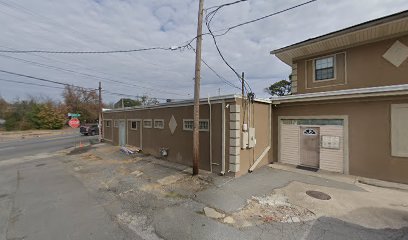
At a Glance
Location
3925 Asher Avenue, Little Rock, AR 72204
Phone
501-663-3490Primary Focus
Treatment Settings
Treatment Approaches
About Quality Living Center Inc
Quality Living Center Inc provides residential treatment and intensive outpatient programs for individuals seeking sustained addiction recovery in Little Rock, Arkansas. This CARF-accredited recovery center emphasizes community reintegration through vocational assistance, job placement, and transitional living support for diverse populations including veterans and adults with co-occurring disorders.
Quality Living Center Inc operates as a comprehensive addiction treatment facility in Little Rock's Pulaski County, offering both residential and outpatient care for individuals committed to long-term substance abuse recovery. The recovery center maintains CARF accreditation and serves the Greater Little Rock area with programs designed to address the full spectrum of recovery needs beyond initial detox.
The facility provides residential treatment programs lasting 30-45 days, complemented by intensive outpatient programs spanning 13-16 weeks. Their outpatient program structure allows individuals to maintain community connections while receiving structured addiction treatment. The center operates with low staff-to-patient ratios, ensuring personalized attention throughout each phase of the recovery process.
Quality Living Center employs cognitive behavioral therapy alongside multiple clinical therapeutic approaches and holistic methods. This combination addresses both the psychological foundations of addiction and broader wellness factors that support sustained recovery. Their treatment framework emphasizes practical life skills development and community reintegration strategies.
The recovery center welcomes veterans, pregnant women, young adults, seniors, and individuals with co-occurring disorders or trauma histories. Court-ordered participants also receive specialized support. What distinguishes Quality Living Center is their robust aftercare infrastructure, including transitional living options, vocational assistance, and direct job placement services that extend the recovery community beyond program completion. They accept private insurance and self-pay arrangements, making their programs accessible to individuals ready to invest in comprehensive addiction treatment.
Residential Treatment and Outpatient Programs
Quality Living Center structures their addiction treatment around two primary levels of care designed to meet individuals at different stages of their recovery journey. The residential treatment program operates on a 30-45 day framework, providing immersive support for those requiring intensive intervention and community separation during early recovery phases.
Their intensive outpatient program extends over 13-16 weeks, accommodating individuals who benefit from structured addiction treatment while maintaining employment, family responsibilities, or educational commitments. This dual-track approach allows the recovery center to serve both those requiring residential stabilization and community members seeking outpatient support for substance use disorders.
Treatment Approach and Therapeutic Methods
The center integrates cognitive behavioral therapy with multiple clinical therapeutic approaches to address the psychological patterns underlying substance abuse. Their treatment philosophy combines structured psychological intervention with holistic methods that consider physical, emotional, and social factors in addiction recovery.
Quality Living Center maintains low staff-to-patient ratios across all programs, ensuring individualized attention within group settings. This approach supports both intensive therapeutic work and peer community development, essential elements for sustained recovery beyond program completion.
Aftercare and Community Reintegration
Quality Living Center distinguishes itself through comprehensive aftercare support extending well beyond traditional program boundaries. Their transitional living services provide structured housing options for individuals transitioning from residential treatment or requiring stable living environments during outpatient participation.
The recovery center offers direct vocational assistance and job placement services, recognizing employment stability as crucial for long-term recovery success. These practical support services create tangible pathways for individuals to rebuild their lives while maintaining connection to the recovery community established during treatment.
Specialized Populations and Accessibility
The facility serves diverse populations including veterans, pregnant women, young adults aged 18-25, and seniors requiring age-appropriate addiction treatment approaches. They maintain specialized tracks for individuals with co-occurring mental health disorders, trauma histories, and those participating through court orders.
Quality Living Center accepts private insurance and self-pay arrangements, operating Monday through Friday with 24-hour availability during weekdays. Their Little Rock location in Pulaski County provides accessible addiction treatment for the Greater Little Rock area while maintaining CARF accreditation standards across all service levels.
Why Choose Quality Living Center Inc
- 30-45 day residential programs with 13-16 week intensive outpatient options for flexible recovery planning
- CARF accreditation ensuring quality standards across all addiction treatment services
- Comprehensive aftercare including transitional living, job placement, and vocational assistance
- Low staff-to-patient ratios providing personalized attention throughout recovery
- Specialized tracks for veterans, pregnant women, and individuals with co-occurring disorders
Frequently Asked Questions
What are the program lengths for residential and outpatient treatment?
Quality Living Center offers residential treatment programs lasting 30-45 days and intensive outpatient programs spanning 13-16 weeks. These timeframes allow for comprehensive addiction treatment while accommodating different recovery needs and life circumstances.
Does Quality Living Center provide aftercare support following program completion?
Yes, the recovery center provides extensive aftercare including transitional living services, vocational assistance, and job placement support. These services help individuals maintain recovery community connections while building stable, independent lives.
What therapeutic approaches does the center use for addiction treatment?
Quality Living Center employs cognitive behavioral therapy, clinical therapeutic methods, and treatment approaches. This combination addresses both the psychological foundations of substance abuse and broader wellness factors supporting sustained recovery.
Which populations receive specialized addiction treatment at Quality Living Center?
The facility serves veterans, pregnant women, young adults, seniors, and individuals with co-occurring disorders or trauma histories. They also provide specialized support for court-ordered participants and those requiring HIV/AIDS-informed care.
What insurance and payment options are available?
Quality Living Center accepts private insurance and self-pay arrangements. Individuals should contact the center directly at (501) 663-3490 to discuss specific insurance coverage and payment plans for their addiction treatment needs.
Is Quality Living Center accredited for addiction treatment services?
Yes, Quality Living Center maintains CARF accreditation, ensuring their residential treatment, intensive outpatient programs, and aftercare services meet established quality standards. This accreditation provides assurance of professional treatment protocols and ethical practices.
How does the low staff-to-patient ratio benefit recovery outcomes?
The low staff-to-patient ratio ensures personalized attention within group treatment settings, supporting both intensive therapeutic work and peer community development. This approach enhances treatment effectiveness while building the social connections essential for long-term recovery success.
What makes Quality Living Center different from other Little Rock addiction treatment facilities?
Quality Living Center combines flexible program lengths, comprehensive aftercare with transitional living options, and practical support services like job placement. Their CARF accreditation and specialization in diverse populations, including veterans and individuals with co-occurring disorders, distinguishes their recovery center approach.
Nearby Treatment Centers
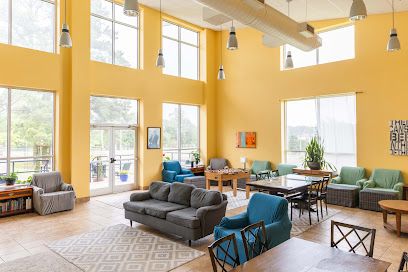
Serenity Park Treatment Center
Little Rock, AR
- Detox
- Residential
- MAT
Substance use treatment · Cognitive behavioral therapy · Dialectical behavior therapy
Accepts: Cash or self-payment, State-financed health insurance plan other than Medicaid, Private health insurance
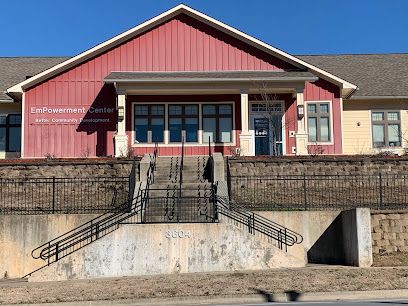
BCD Hoover Treatment Center
Little Rock, AR
- Residential
- PHP
- IOP
- MAT
Substance use treatment · Accepts clients on opioid medication but prescribed elsewhere · Cognitive behavioral therapy
Accepts: Cash or self-payment, State-financed health insurance plan other than Medicaid, Payment assistance
Methodist Family Health Arkansas CARES
Little Rock, AR
- Residential
- PHP
- IOP
- MAT
Substance use treatment · Accepts clients on opioid medication but prescribed elsewhere · Cognitive behavioral therapy
Accepts: Cash or self-payment, Medicaid, State-financed health insurance plan other than Medicaid
Central Arkansas Veterans Healthcare Substance Abuse Treatment
Little Rock, AR
- Detox
Does not treat opioid addiction · Smoking not permitted · Hospital inpatient
Accepts: Cash or self-payment, Medicaid, Medicare
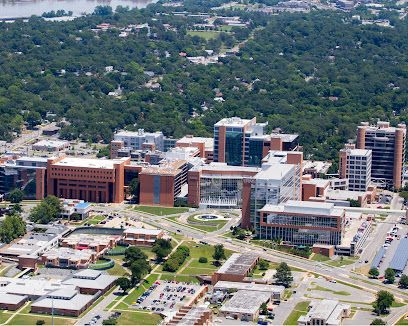
University of Arkansas for Medical Sciences/SAT Clinic
Little Rock, AR
- Outpatient
- MAT
Substance use treatment · All Clients in Opioid Treatment Program · SAMHSA-certified Opioid Treatment Program
Accepts: Cash or self-payment, Medicare, Sliding fee scale
United Family Services Inc
Little Rock, AR
- IOP
Substance use treatment · Does not treat opioid addiction · Cognitive behavioral therapy
Accepts: Medicaid, Payment assistance