
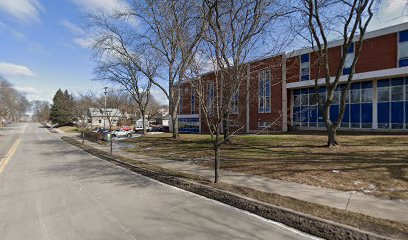
At a Glance
Location
1215 Fulton Street, Grand Rapids, MI 49503
Phone
616-742-0351Primary Focus
Treatment Settings
Treatment Approaches
Special Programs
About Salvation Army Turning Point Programs
Salvation Army Turning Point Programs in Grand Rapids, MI offers medical detox, residential treatment, and outpatient programming for adults seeking lasting recovery. CARF-accredited and backed by multiple flexible payment options including Medicaid and sliding scale fees, Turning Point is one of four West Michigan locations operated by the Salvation Army — making it a recognized anchor in the region's recovery community.
Salvation Army Turning Point Programs operates out of 1215 Fulton Street in Grand Rapids, Michigan, as part of a network of four Turning Point locations spread across West Michigan. The facility is CARF-accredited and functions as a substance use treatment center available around the clock, seven days a week. For individuals and families navigating longer-term recovery, Turning Point represents one of the more established, mission-driven options in Kent County.
The center provides a full continuum of care across three levels: medical detox, residential treatment, and an outpatient program. This means clients can begin their recovery with medically supported withdrawal management and continue through structured residential treatment before stepping down into an outpatient program — all within the same treatment network. That kind of continuity matters for people committed to sustained recovery rather than short-term stabilization.
Cognitive Behavioral Therapy (CBT) is a confirmed part of the clinical approach at Turning Point. CBT is a widely used, skills-based method that helps people in recovery identify and reshape the thought patterns that drive substance use. Offered in English, the program is also specifically equipped to serve individuals who are Deaf or hard of hearing — a distinction that sets Turning Point apart from many treatment providers in the region.
Turning Point accepts Medicaid, state insurance, self-pay, and sliding scale fees, and financial assistance is available — removing some of the most common barriers to entering residential treatment or an outpatient program. The facility's 24/7 availability and accessible payment structure make it a practical choice for individuals and families across the Grand Rapids area who are ready to commit to the recovery process.
A Continuum of Care for Long-Term Recovery in Grand Rapids
Salvation Army Turning Point Programs is structured to support people through more than just the first days of sobriety. With medical detox, residential treatment, and an outpatient program all available within the same organization, clients have the opportunity to move through a connected recovery continuum rather than piecing together care from multiple unrelated providers.
That kind of continuity is especially valuable for individuals building a long-term recovery plan. Moving from withdrawal management into residential treatment, and then stepping down into an outpatient program, allows for a more consistent therapeutic relationship and a more stable transition back to daily life. Turning Point's 24/7 operating schedule means the facility is accessible whenever someone is ready to take that first step.
Addiction Treatment That Includes the Deaf and Hard of Hearing Community
One of the defining features of Salvation Army Turning Point Programs is its capacity to serve individuals who are Deaf or hard of hearing. Access to substance abuse treatment is already challenging for many people — for those who navigate the world without full hearing, the barriers can be even greater. Turning Point's commitment to this population reflects a broader mission of removing obstacles to recovery for underserved communities.
For family members supporting a loved one who is Deaf or hard of hearing, finding a rehab or recovery center that can genuinely communicate with that person is critical. Turning Point's confirmed services for this population make it a rare resource in the West Michigan addiction treatment landscape.
Payment Options and Accessibility at Turning Point
Cost is one of the most frequently cited reasons people delay or avoid entering residential treatment or an outpatient program. Turning Point addresses this directly through a range of accepted payment methods: Medicaid, state insurance, self-pay, sliding scale fees, and financial assistance are all available. This breadth of options is meaningful for individuals who may not have private insurance or who are working with limited financial resources.
CARF accreditation further supports confidence in the quality of care delivered. CARF — the Commission on Accreditation of Rehabilitation Facilities — sets recognized standards for substance abuse treatment and rehabilitation programs. For families evaluating recovery centers in Grand Rapids or across Kent County, that credential provides an independent measure of accountability.
Cognitive Behavioral Therapy as a Foundation for Recovery
Cognitive Behavioral Therapy is a core therapeutic method at Turning Point Programs. CBT is a structured, skills-focused approach that helps people in recovery examine the connections between their thoughts, emotions, and behaviors — particularly those that have contributed to substance use. It equips people with practical tools they can apply well beyond the treatment setting, which makes it particularly relevant for those building a long-term recovery.
For individuals entering residential treatment or continuing through an outpatient program, CBT provides a framework that extends into everyday life. It is one of the most studied approaches in addiction treatment, and its inclusion at Turning Point reflects the center's commitment to structured, skill-building care during the recovery process.
Why Choose Salvation Army Turning Point Programs
- One of four West Michigan Turning Point locations, offering regional continuity of care across a recovery network
- Full continuum from medical detox through residential treatment and outpatient programming under one accredited organization
- Specifically equipped to serve individuals who are Deaf or hard of hearing — uncommon among addiction treatment centers
- CARF accreditation signals adherence to recognized quality standards in substance abuse treatment
- Multiple payment pathways including Medicaid, sliding scale, state insurance, and financial assistance reduce barriers to entering residential or outpatient care
Frequently Asked Questions
What levels of care does Salvation Army Turning Point Programs offer?
Turning Point offers three levels of care: medical detox, residential treatment, and an outpatient program. This continuum allows individuals to begin with medically supported withdrawal management and progress through more independent levels of care as their recovery advances. Having all three levels within one CARF-accredited organization supports a more connected recovery experience.
Does Turning Point Programs accept Medicaid?
Yes, Medicaid is accepted at Salvation Army Turning Point Programs. The center also accepts state insurance, self-pay, sliding scale fees, and offers financial assistance. This range of payment options is designed to reduce financial barriers for people seeking rehab or residential treatment in Grand Rapids.
Is Turning Point Programs available for people who are Deaf or hard of hearing?
Yes. Turning Point Programs is specifically confirmed to serve individuals who are Deaf or hard of hearing — a distinction that is uncommon among addiction treatment and recovery centers in West Michigan. Families supporting a loved one in this population may find Turning Point one of the few area providers equipped to meet their needs.
What therapy approaches are used at Turning Point Programs?
Cognitive Behavioral Therapy (CBT) is a confirmed therapeutic method used at Turning Point Programs. CBT is a structured approach that helps individuals recognize and change thought patterns linked to substance use, building practical skills that support recovery beyond the treatment setting.
Is Turning Point Programs accredited?
Yes, Salvation Army Turning Point Programs holds CARF accreditation — the Commission on Accreditation of Rehabilitation Facilities. CARF accreditation reflects adherence to established quality standards in substance abuse treatment and rehabilitation, and it provides families and individuals with an independent measure of accountability when evaluating a recovery center.
What are the hours of operation at Turning Point Programs?
Turning Point Programs operates 24 hours a day, seven days a week, including weekends and holidays. This around-the-clock availability means that individuals and families in the Grand Rapids area can reach the facility or begin the admissions process whenever they are ready.
Where is Salvation Army Turning Point Programs located?
The main campus is located at 1215 Fulton Street, Suite E, in Grand Rapids, Michigan 49503, in Kent County. The Salvation Army operates this location as part of a network of four Turning Point programs across West Michigan.
Does Turning Point offer outpatient treatment for people who cannot commit to residential rehab?
Yes. An outpatient program is one of the confirmed levels of care at Turning Point Programs. For individuals who have completed residential treatment or whose circumstances do not allow for an inpatient stay, the outpatient program offers structured substance abuse treatment while allowing them to remain in the community.
How do I contact Salvation Army Turning Point Programs?
You can reach Salvation Army Turning Point Programs by phone at (616) 742-0351. The center is available 24 hours a day, seven days a week. Additional information is available through their official website at centralusa.salvationarmy.org/turningpointgr.
Is financial assistance available for people who cannot afford treatment?
Yes. In addition to Medicaid and state insurance, Turning Point Programs offers sliding scale fees and financial assistance for those who qualify. These options reflect the center's mission-driven approach to making addiction treatment accessible to individuals and families across the Grand Rapids area regardless of financial situation.
Nearby Treatment Centers

Sanford House at Cherry Street
Grand Rapids, MI
- Detox
- Residential
- PHP
- Outpatient
Substance use treatment · Cognitive behavioral therapy · Dialectical behavior therapy
Accepts: Cash or self-payment, Private health insurance
Nottawaseppi Band of the Potawatomi (NHBP) Behavioral Health Program
Grand Rapids, MI
- Outpatient
Substance use treatment · Accepts clients on opioid medication but prescribed elsewhere · Cognitive behavioral therapy
Accepts: Medicaid, Medicare, State-financed health insurance plan other than Medicaid

Our Hope Association
Grand Rapids, MI
- Residential
- Outpatient
- MAT
Substance use treatment · Accepts clients on opioid medication but prescribed elsewhere · Cognitive behavioral therapy
Accepts: Cash or self-payment, Medicaid, State-financed health insurance plan other than Medicaid
Bethany Christian Services Substance Abuse Counseling Program
Grand Rapids, MI
- Outpatient
Substance use treatment · Does not treat opioid addiction · Cognitive behavioral therapy
Accepts: Cash or self-payment, Medicaid, Medicare
Sanford House at John Street
Grand Rapids, MI
- Detox
- Residential
- PHP
- Outpatient
Substance use treatment · Cognitive behavioral therapy · Dialectical behavior therapy
Accepts: Cash or self-payment, Private health insurance
Catholic Charities West Michigan
Grand Rapids, MI
- Outpatient
Substance use treatment · Accepts clients on opioid medication but prescribed elsewhere · Cognitive behavioral therapy
Accepts: Cash or self-payment, Medicaid, Medicare