

 1 / 2
1 / 2At a Glance
Location
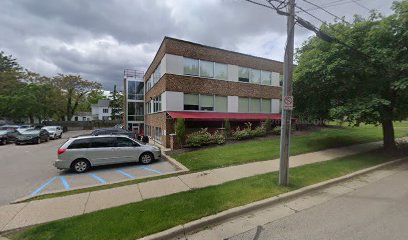
324 Lyon Street NE, Grand Rapids, MI 49503
Phone
616-451-2039Primary Focus
Treatment Settings
Treatment Approaches
Special Programs
About Our Hope Association
Our Hope Association is a women-only residential treatment center in Grand Rapids, Michigan, offering 90-day long-term residential care for addiction and co-occurring disorders. CARF-accredited and accepting Medicaid, the program serves a wide range of women — including pregnant women, mothers of minors, veterans, and seniors — with structured community support and alumnae resources to carry recovery forward.
Our Hope Association, located at 324 Lyon Street NE in Grand Rapids, Michigan, is a women-only residential recovery center offering long-term addiction treatment to women across the Grand Rapids area. CARF-accredited and staffed with daily check-ins from a medical director, the center operates 24 hours a day, seven days a week, providing continuous support throughout the recovery process. The program addresses alcoholism, addiction, co-occurring disorders, and trauma or PTSD within a structured residential setting designed exclusively for women.
The core of Our Hope's programming is its 90-day residential treatment program — a long-term commitment that sets it apart from shorter-stay facilities. The extended length of stay allows women to move well beyond stabilization, building the skills, relationships, and accountability structures that sustain lasting sobriety. The program also includes withdrawal management, supporting women through early recovery before they transition into the full residential experience.
Cognitive Behavioral Therapy (CBT) is the confirmed therapeutic foundation of Our Hope's treatment model, helping women examine the thought patterns and behaviors connected to addiction, trauma, and co-occurring mental health conditions. Daily medical director check-ins ensure clinical oversight throughout a resident's stay, while alumnae resources extend that support into the post-treatment phase — a meaningful commitment to the longer arc of recovery that Sober Nation's audience is actively seeking.
Our Hope specifically serves women, with specialized programming for pregnant women, mothers of minors, veterans, seniors and older adults, individuals with HIV/AIDS, and those who are Deaf or hard of hearing — as well as women entering treatment through court-ordered pathways. Payment options include Medicaid, state insurance, self-pay, and a sliding scale fee structure, making residential treatment accessible to women across income levels in Grand Rapids and Kent County.
Long-Term Residential Treatment for Women in Grand Rapids
Our Hope Association's 90-day residential treatment program is built on a simple premise: lasting recovery takes time. While many facilities offer shorter stays, Our Hope's long-term residential model gives women the space to address not just addiction, but the underlying trauma, co-occurring disorders, and life circumstances that often fuel it. Residents live on-site at the Lyon Street NE location in Grand Rapids, immersed in a recovery community made up entirely of women navigating similar challenges.
The program's CARF accreditation signals an external standard of quality that matters to women and families evaluating long-term care options. Daily check-ins from a medical director provide clinical continuity rarely found outside inpatient hospital settings — meaning residents have professional oversight at every stage of their 90-day stay, not just during the first week.
A Recovery Community Built Around Women's Specific Needs
Our Hope Association serves a notably broad population of women: pregnant women, mothers of minors, veterans, seniors, women living with HIV/AIDS, and women who are Deaf or hard of hearing are all explicitly welcomed. Court-ordered participants are also accepted. This range of populations under one roof means the recovery community at Our Hope reflects the real diversity of women affected by addiction — and the programming accounts for the different life circumstances each group brings to treatment.
Cognitive Behavioral Therapy anchors the clinical work, giving women practical tools to identify and reshape the thought patterns connected to substance use, trauma, and co-occurring mental health conditions. After completing residential treatment, alumnae resources help women stay connected to the Our Hope community — a continuation of support that matters deeply during the transition back to everyday life.
Paying for Residential Treatment at Our Hope
Access to long-term residential addiction treatment shouldn't depend entirely on financial resources. Our Hope Association accepts Medicaid and state insurance, and also offers self-pay and sliding scale fee options for women who don't have public coverage. This range of payment pathways makes the 90-day program reachable for women across income levels in Grand Rapids and the broader Kent County area.
Women or family members with questions about specific coverage or fees can reach the admissions team directly at (616) 451-2039 or by email at [email protected]. The facility operates around the clock, every day of the week, so there's no wrong time to reach out.
Aftercare and Alumnae Support After Residential Treatment
Completing a 90-day residential program is a significant milestone — but recovery doesn't end at discharge. Our Hope Association provides alumnae resources to help women maintain the connections and accountability built during their time in residential treatment. For Sober Nation's audience, who understand that long-term sobriety requires ongoing community, this post-treatment support is a meaningful part of what Our Hope offers.
The alumnae network keeps women tied to a recovery community that knows their story. For many women leaving long-term residential treatment, that continuity of connection is one of the strongest protective factors against relapse — and it reflects Our Hope's commitment to recovery as an ongoing process, not just a 90-day episode of care.
Why Choose Our Hope Association
- Women-only 90-day residential treatment program — one of the longer structured commitments available in Grand Rapids
- Specialized intake for pregnant women, mothers of minors, veterans, seniors, and Deaf or hard of hearing residents
- Daily check-ins from a medical director throughout the residential stay, not just at intake
- Alumnae resources that keep women connected to the recovery community after they leave residential care
- CARF-accredited with Medicaid, state insurance, and sliding scale payment options — removing financial barriers to long-term residential treatment
Frequently Asked Questions
What type of addiction treatment does Our Hope Association offer?
Our Hope Association offers long-term residential treatment for women in Grand Rapids, Michigan. The core program is a 90-day residential stay that addresses addiction, alcoholism, co-occurring disorders, and trauma or PTSD. The facility also provides withdrawal management to support women in early recovery.
How long is the residential program at Our Hope Association?
The residential treatment program at Our Hope is 90 days in length. This long-term commitment is designed to give women the time needed to address addiction alongside co-occurring mental health conditions and trauma — going well beyond short-term stabilization.
Does Our Hope Association treat women with co-occurring mental health conditions?
Yes. Our Hope Association explicitly treats co-occurring disorders and dual diagnosis, as well as trauma and PTSD, alongside addiction and alcoholism. Cognitive Behavioral Therapy is the confirmed therapeutic approach used to address these conditions within the residential program.
Who does Our Hope Association serve?
Our Hope is a women-only treatment center. The program serves a wide range of women, including pregnant women, mothers of minors, veterans, seniors and older adults, women living with HIV/AIDS, women who are Deaf or hard of hearing, and those entering treatment through court-ordered referrals.
Does Our Hope Association accept Medicaid?
Yes. Our Hope Association accepts Medicaid and state insurance. The center also offers self-pay and sliding scale fee options, making the 90-day residential program accessible to women across different financial situations in Grand Rapids and Kent County.
Is Our Hope Association accredited?
Yes. Our Hope Association holds CARF accreditation, which reflects an external review of the program's quality and standards. CARF is one of the most recognized accrediting bodies for behavioral health and addiction treatment programs.
What kind of medical oversight is available during residential treatment?
Residents at Our Hope Association receive daily check-ins from a medical director throughout their stay. This ongoing clinical oversight is a notable feature of the program, providing professional monitoring beyond the initial intake period.
Does Our Hope Association offer any support after completing residential treatment?
Yes. Our Hope provides alumnae resources for women who have completed the residential program. These resources help women stay connected to a recovery community after leaving treatment — an important element of long-term sobriety.
What therapeutic approach does Our Hope Association use?
Cognitive Behavioral Therapy (CBT) is the confirmed therapeutic method used at Our Hope Association. CBT helps women identify and change thought patterns and behaviors connected to addiction and co-occurring conditions like trauma and PTSD.
How can I contact Our Hope Association or learn more about the program?
Our Hope Association can be reached by phone at (616) 451-2039 or by email at [email protected]. The facility operates 24 hours a day, seven days a week, and is located at 324 Lyon Street NE in Grand Rapids, Michigan. More information is also available at ourhopeassociation.org.
Nearby Treatment Centers

Sanford House at John Street
Grand Rapids, MI
- Detox
- Residential
- PHP
- Outpatient
Substance use treatment · Cognitive behavioral therapy · Dialectical behavior therapy
Accepts: Cash or self-payment, Private health insurance
Catholic Charities West Michigan
Grand Rapids, MI
- Outpatient
Substance use treatment · Accepts clients on opioid medication but prescribed elsewhere · Cognitive behavioral therapy
Accepts: Cash or self-payment, Medicaid, Medicare
Nottawaseppi Band of the Potawatomi (NHBP) Behavioral Health Program
Grand Rapids, MI
- Outpatient
Substance use treatment · Accepts clients on opioid medication but prescribed elsewhere · Cognitive behavioral therapy
Accepts: Medicaid, Medicare, State-financed health insurance plan other than Medicaid
Cherry Street Health Services DBA Cherry Health
Grand Rapids, MI
- Outpatient
- MAT
Substance use treatment · Cognitive behavioral therapy · Dialectical behavior therapy
Accepts: Cash or self-payment, Medicaid, Medicare
Sanford House at Cherry Street
Grand Rapids, MI
- Detox
- Residential
- PHP
- Outpatient
Substance use treatment · Cognitive behavioral therapy · Dialectical behavior therapy
Accepts: Cash or self-payment, Private health insurance

Guiding Light Mission
Grand Rapids, MI
- Residential
- Sober Living
Substance use treatment · Does not use medication for opioid addiction · Cognitive behavioral therapy
Accepts: Payment assistance