

 1 / 3
1 / 3At a Glance
Location
3625 5th Street, Rapid City, SD 57701
Phone
605-347-2511 x7991Primary Focus
Treatment Settings
Treatment Approaches
Special Programs
About Rapid City CBOC/Outpatient Treatment Program
The Rapid City VA outpatient program, located at 2165 Promise Road in Rapid City, SD, provides substance use treatment specifically designed for veterans and older adults navigating co-occurring disorders and trauma. Accredited by both the Joint Commission and CARF, this facility brings structured outpatient recovery support to Pennington County's veteran community.
Situated at 2165 Promise Road in Rapid City, South Dakota, this Black Hills VA facility operates as a dedicated substance use treatment center within the Veterans Affairs system. Its dual accreditation from the Joint Commission (JCAHO) and CARF signals a commitment to measurable quality standards that many private recovery centers do not hold simultaneously. For veterans and their families weighing long-term recovery options in western South Dakota, this center represents a care setting built specifically around military and veteran experience.
The facility offers an outpatient program as its primary level of care, making it a practical option for individuals who are ready to engage in structured addiction treatment while maintaining their footing in daily life. Outpatient programming allows participants to build recovery skills within their own community context — a format well-suited to long-term sobriety goals rather than short-term stabilization alone.
Cognitive Behavioral Therapy (CBT) anchors the therapeutic approach here, a method with a strong track record in treating both substance use disorders and the trauma or co-occurring mental health conditions that often accompany them. The program explicitly addresses Co-Occurring Disorders and Dual Diagnosis alongside Trauma and PTSD — conditions that are disproportionately common among veteran populations and frequently require integrated, simultaneous treatment rather than a sequential approach.
This center serves veterans, seniors and older adults, men, and women — populations whose recovery needs often differ meaningfully from younger or non-military civilians. Payment flexibility includes Medicaid, Medicare, private insurance, and self-pay options, reducing financial barriers for veterans at various stages of life and income. For anyone in the veteran community seeking an outpatient recovery program in the Rapid City area that understands military culture and treats the full picture of mental health alongside substance use, this facility warrants serious consideration.
Outpatient Recovery Built Around Veteran Experience
Recovery from substance use disorder looks different for veterans than it does for the general population. Military service, combat exposure, and the transition back to civilian life create a distinct set of stressors that general addiction treatment programs are not always equipped to address. The Rapid City VA outpatient program is embedded within the Veterans Affairs system precisely because that context matters in treatment.
The outpatient program format allows veterans to pursue structured addiction treatment without stepping away from their families, their community, or the responsibilities that give daily life its meaning. For many people at this stage of recovery, staying connected to real life while building new skills is not a compromise — it is a clinical advantage. This program is designed with that reality in mind.
Treating the Full Picture: Dual Diagnosis and Trauma Alongside Substance Use
Among veterans seeking addiction treatment, co-occurring conditions are the rule rather than the exception. PTSD, depression, anxiety, and other mental health challenges frequently run alongside substance use disorders, and addressing only the substance use while leaving trauma untreated is a well-documented path back to relapse. This facility explicitly treats Co-Occurring Disorders and Dual Diagnosis as part of its core scope — not as an add-on or referral.
Cognitive Behavioral Therapy (CBT) provides the clinical foundation for this integrated work. CBT is particularly well-suited to veteran populations because it builds concrete, transferable skills for managing intrusive thoughts, emotional responses, and behavioral patterns — capabilities that support long-term sobriety long after the formal treatment period ends. For veterans whose substance use is intertwined with trauma history, this kind of integrated outpatient approach can be more effective than programs that treat each condition separately.
Who This Program Serves and How to Access It
The Rapid City VA substance use treatment program serves veterans, seniors and older adults, men, and women. Older adults and seniors represent a population whose recovery needs are often underserved in the broader addiction treatment landscape, and having a program that explicitly includes this group alongside veterans reflects a recognition that substance use disorders do not only affect younger individuals.
Financially, the program accepts Medicaid, Medicare, private insurance, and self-pay options. This range of accepted payment methods makes the program accessible to veterans and older adults across a wide spectrum of financial circumstances. The facility is located at 2165 Promise Road, Rapid City, SD 57701, and carries accreditation from both the Joint Commission and CARF — markers of accountability that individuals and families can factor into their evaluation of long-term recovery partners.
Accreditation That Matters for Long-Term Recovery Planning
Choosing an outpatient program for ongoing recovery — rather than acute stabilization — means evaluating quality markers differently. Joint Commission (JCAHO) accreditation and CARF certification are two of the most recognized independent quality standards in behavioral health and substance abuse treatment. Holding both simultaneously signals that the program has undergone rigorous external review across multiple frameworks.
For veterans, family members, and older adults who are taking the time to carefully evaluate recovery options in the Rapid City area, accreditation is one concrete, verifiable indicator that a program meets established clinical and operational standards. It is not a guarantee of personal fit, but it is a meaningful starting point for any serious comparison of outpatient addiction treatment programs in western South Dakota.
Why Choose Rapid City CBOC/Outpatient Treatment Program
- Dual accreditation from both the Joint Commission (JCAHO) and CARF — a distinction that sets a high bar for program quality in outpatient substance abuse treatment
- Explicitly designed for veterans, with treatment that integrates Trauma/PTSD and Co-Occurring Disorder care alongside substance use recovery
- CBT-based outpatient program supports long-term recovery skills veterans can apply within their own community and daily routines
- Accepts Medicaid, Medicare, private insurance, and self-pay — reducing financial obstacles for veterans and older adults at different life stages
- One of the few recovery programs in western South Dakota specifically serving seniors and older adults alongside veteran populations
Frequently Asked Questions
What level of care does the Rapid City VA substance use program offer?
The facility offers an outpatient program as its primary level of care. This format is designed for individuals who are committed to structured addiction treatment and recovery while continuing to live in their home community. Outpatient programming is particularly well-suited to longer-term recovery goals and building sustainable sobriety skills.
Who is eligible to receive treatment at this Rapid City VA location?
The program serves veterans, seniors and older adults, men, and women. It is part of the Black Hills VA system and is specifically oriented toward veteran populations, though it also explicitly includes older adults among the groups it is equipped to serve.
Does this program treat co-occurring mental health conditions alongside substance use?
Yes. Co-Occurring Disorders and Dual Diagnosis are explicitly listed among the conditions treated at this facility. The program also addresses Trauma and PTSD, which are conditions that frequently co-occur with substance use disorders in veteran populations.
What therapeutic approach does this outpatient program use?
Cognitive Behavioral Therapy (CBT) is the confirmed therapeutic method used in this program. CBT focuses on identifying and changing thought and behavioral patterns that contribute to substance use, and it builds practical coping skills that support recovery well beyond the treatment period itself.
What payment options are accepted at this Rapid City VA outpatient program?
The program accepts Medicaid, Medicare, private insurance, and self-pay or cash. This range of payment options makes the program accessible to veterans and older adults across varying financial situations, including those who rely on government-sponsored insurance programs.
Is this program accredited by any recognized behavioral health organizations?
Yes. The facility holds accreditation from both the Joint Commission (JCAHO) and CARF, two of the most widely recognized independent accrediting bodies in behavioral health and addiction treatment. Dual accreditation reflects a higher standard of external quality review than many programs carry.
Why might an outpatient program be the right fit for long-term recovery?
Outpatient programs allow individuals to engage in structured addiction treatment while remaining connected to family, community, and daily responsibilities. For many people — particularly veterans and older adults — maintaining those community ties during treatment can strengthen rather than hinder recovery outcomes. Outpatient care is also well-matched to the ongoing nature of recovery rather than just short-term stabilization.
Where is this VA substance use treatment program located?
The program is located at 2165 Promise Road, Rapid City, SD 57701, in Pennington County. It is part of the Black Hills VA healthcare system and serves the Rapid City area.
Does this program specifically address trauma and PTSD as part of substance use treatment?
Yes. Trauma and PTSD are listed among the confirmed conditions treated at this facility. Given the high rates of trauma-related conditions in veteran populations, integrating PTSD and trauma treatment with substance use recovery is a meaningful aspect of what this program offers.
Nearby Treatment Centers

Behavior Management Systems Full Circle
Rapid City, SD
- Residential
- Outpatient
- Sober Living
Substance use treatment · Accepts clients on opioid medication but prescribed elsewhere · Cognitive behavioral therapy
Accepts: Cash or self-payment, Medicaid, Medicare
Lifeways Inc
Rapid City, SD
- IOP
Substance use treatment · Accepts clients on opioid medication but prescribed elsewhere · Cognitive behavioral therapy
Accepts: Cash or self-payment, Medicaid, State-financed health insurance plan other than Medicaid

Pennington County Addiction Treatment Services
Rapid City, SD
- Detox
- Residential
- IOP
- Sober Living
Substance use treatment · Accepts clients on opioid medication but prescribed elsewhere · Cognitive behavioral therapy
Accepts: Cash or self-payment, Medicaid, Sliding fee scale
ROADS Inc
Rapid City, SD
- IOP
Substance use treatment · Accepts clients on opioid medication but prescribed elsewhere · Cognitive behavioral therapy
Accepts: Cash or self-payment, Medicaid, Medicare

Wellfully Wellspring Inc
Rapid City, SD
- Residential
- IOP
Substance use treatment · Does not use medication for opioid addiction · Cognitive behavioral therapy
Accepts: Cash or self-payment, Medicaid, State-financed health insurance plan other than Medicaid
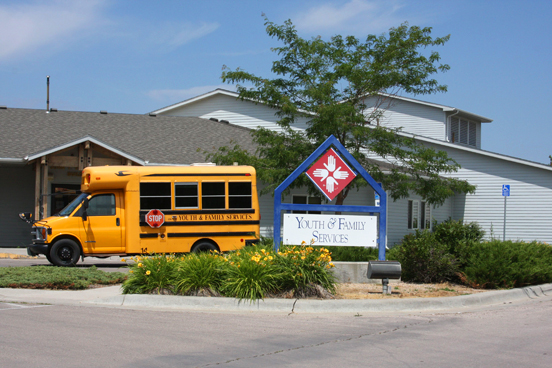
Youth and Family Services Inc Counseling Center
Rapid City, SD
- Outpatient
Substance use treatment · Does not use medication for opioid addiction · Cognitive behavioral therapy
Accepts: Cash or self-payment, Medicaid, Medicare