
 1 / 3
1 / 3At a Glance
Location
321 Kansas City Street, Rapid City, SD 57701
Phone
605-394-6128Primary Focus
Treatment Settings
Treatment Approaches
Special Programs
About Pennington County Addiction Treatment Services
Pennington County's substance use treatment program in Rapid City, SD offers a full continuum of care — from medical detox through residential treatment and outpatient programming — serving adults in Pennington County who are ready to build lasting recovery. The program accepts Medicaid, self-pay, and financial assistance, and is equipped to work with court-ordered individuals alongside those seeking care voluntarily.
Located at 321 Kansas City Street in Rapid City, South Dakota, Pennington County's substance use treatment program operates as a county-run recovery resource serving residents of Pennington County and the surrounding region. Unlike privately operated facilities, this program is embedded within county government infrastructure, giving it a distinctive connection to local courts, social services, and community systems that many individuals navigating the recovery process will already be working with.
The program offers one of the more complete continuums of care available in the Black Hills region. Medical detox is available for those entering treatment who need supervised withdrawal management before transitioning into the next phase of care. From there, individuals can step into residential treatment for a structured, immersive recovery experience, or move along a graduated outpatient track that includes both a standard outpatient program and Intensive Outpatient Program (IOP) — a level of care that allows people to maintain work, family, and community ties while still participating in meaningful treatment.
Cognitive Behavioral Therapy (CBT) anchors the therapeutic work at this facility. The program also addresses co-occurring disorders alongside substance use, and has specific experience working with trauma and PTSD — conditions that frequently intersect with addiction and often require specialized attention for recovery to hold long-term. Services are provided in English, and the program is structured to meet people across a range of entry points into the recovery process.
Pennington County's treatment program specifically serves court-ordered individuals, making it a well-established resource for people whose path into treatment comes through the legal system — a population that benefits from a facility with direct county ties and familiarity with that process. Payment options include Medicaid, self-pay or cash, and financial assistance, reducing financial barriers for community members who might otherwise struggle to access care. For anyone in Pennington County weighing their options for rehabilitation, addiction treatment, or ongoing outpatient support, this program represents a grounded, community-rooted choice.
A Full Recovery Continuum in Rapid City, SD
Pennington County's substance use treatment program stands apart from standalone detox centers or single-level outpatient clinics by offering a connected range of care under one county-operated roof. Medical detox provides a supervised starting point for individuals who need support managing withdrawal before engaging in the deeper work of recovery. That foundation feeds directly into residential treatment, where participants can focus entirely on their rehabilitation without the pressures of daily life pulling them away from the process.
For those who are further along in their recovery or who need to remain connected to work and family, the outpatient program and Intensive Outpatient Program (IOP) offer structured treatment with greater flexibility. IOP in particular is a strong fit for people transitioning out of residential care — it keeps them engaged in the recovery community and accountable to a treatment schedule while allowing them to reintegrate into daily life. Having these levels of care available within the same program means transitions between phases can happen with continuity rather than disruption.
Treating Co-Occurring Disorders and Trauma Alongside Addiction
Substance use rarely exists in isolation. For many people entering rehab, trauma and PTSD are present alongside addiction — and leaving those conditions unaddressed is one of the most common reasons recovery stalls. Pennington County's program explicitly treats co-occurring disorders, recognizing that mental health and substance use treatment need to work in tandem for lasting results.
Cognitive Behavioral Therapy (CBT) is the clinical backbone of the therapeutic work here. CBT is well-suited to both addiction and trauma treatment because it focuses on identifying and shifting the thought patterns and behaviors that fuel substance use. For individuals whose addiction is intertwined with past trauma, this approach creates a framework for addressing both at once rather than treating them as separate problems requiring separate solutions.
Court-Ordered Treatment and Community Access in Pennington County
As a county-operated facility, Pennington County's substance use treatment program has an established relationship with the local legal system. The program is structured to serve court-ordered individuals — people whose entry into treatment comes through a judge, probation officer, or diversion program rather than a self-initiated call. That experience matters: navigating treatment while also meeting legal obligations requires a facility that understands those intersecting pressures and knows how to work within them.
Beyond court-ordered participants, the program is accessible to anyone in Pennington County who needs substance abuse treatment and may face financial barriers. Medicaid is accepted, and both self-pay options and financial assistance are available. For a county program, this range of payment options reflects a commitment to keeping the doors open to community members at different economic circumstances — not just those with commercial insurance or private resources.
What to Expect When Choosing Pennington County for Recovery
Choosing a rehabilitation and addiction treatment program is one of the most consequential decisions a person or family will make. Pennington County's program offers something that private centers often cannot: deep integration with the county's own social infrastructure. For residents of Pennington County, that means a treatment program that operates within the same ecosystem as the courts, public services, and community networks they will return to after treatment ends.
The program's service area is focused on Pennington County, which means resources and clinical attention are directed toward a defined local community rather than spread across a large regional or national intake pool. For individuals and families evaluating their options for residential treatment, outpatient care, or IOP in the Rapid City area, this local orientation — combined with a full spectrum of care and accessible payment options — makes Pennington County's program a substantive choice worth serious consideration.
Why Choose Pennington County Addiction Treatment Services
- County-operated program with direct ties to local courts, making it especially suited for court-ordered individuals entering the recovery process
- Full continuum from medical detox through residential treatment and IOP — rare for a single county-run facility in the region
- Specialized experience with co-occurring disorders and trauma/PTSD alongside substance use treatment
- Accepts Medicaid and offers financial assistance, lowering access barriers for Pennington County residents
- CBT-grounded therapeutic approach targeting the thought and behavior patterns that underlie long-term recovery
Frequently Asked Questions
What levels of care does Pennington County's addiction treatment program offer?
The program offers a full continuum that includes medical detox, residential treatment, a standard outpatient program, and an Intensive Outpatient Program (IOP). This range means individuals can enter care at the level that fits their current needs and transition through phases of treatment within the same program.
Does Pennington County offer medical detox for people entering treatment?
Yes. Medical detox is one of the confirmed levels of care offered at this facility. It provides supervised support for individuals at the start of their recovery before they move into residential or outpatient programming.
Is this program a good fit for someone with a co-occurring mental health condition?
Yes. Pennington County's treatment program explicitly addresses co-occurring disorders alongside substance use. The program also has experience working with trauma and PTSD, which frequently intersect with addiction and require integrated treatment for recovery to be sustainable.
What therapeutic approach does the program use?
Cognitive Behavioral Therapy (CBT) is the confirmed therapeutic method used at this facility. CBT focuses on identifying and changing the thought patterns and behaviors that contribute to substance use, and is widely used in both addiction and trauma treatment.
Does Pennington County's program accept Medicaid?
Yes. The program accepts Medicaid as a payment method. Self-pay and cash options are also available, as is financial assistance for those who qualify, helping to reduce financial barriers for Pennington County residents seeking care.
Can court-ordered individuals attend this program?
Yes. Pennington County's substance use treatment program specifically serves court-ordered populations. As a county-operated facility, it has an established relationship with local legal systems, making it well-suited for individuals whose entry into treatment comes through the courts.
Who does Pennington County's treatment program serve geographically?
The program's service area is Pennington County, South Dakota. It is located in Rapid City at 321 Kansas City Street, Suite 110, and is a county-operated resource focused on serving local residents.
What is the difference between the outpatient program and the Intensive Outpatient Program (IOP) at this facility?
Both are confirmed levels of care offered here. IOP typically involves a higher number of treatment hours per week than a standard outpatient program, making it a strong option for individuals stepping down from residential treatment or those who need more structured support while living at home. Both allow participants to remain in the community during treatment.
Does the program offer residential treatment?
Yes. Residential treatment is one of the confirmed levels of care at Pennington County's substance use treatment program. It provides an immersive recovery environment for individuals who benefit from a structured, full-time treatment setting.
What languages are services available in?
Services at Pennington County's treatment program are available in English.
Nearby Treatment Centers
Lifeways Inc
Rapid City, SD
- IOP
Substance use treatment · Accepts clients on opioid medication but prescribed elsewhere · Cognitive behavioral therapy
Accepts: Cash or self-payment, Medicaid, State-financed health insurance plan other than Medicaid
ROADS Inc
Rapid City, SD
- IOP
Substance use treatment · Accepts clients on opioid medication but prescribed elsewhere · Cognitive behavioral therapy
Accepts: Cash or self-payment, Medicaid, Medicare

Wellfully Wellspring Inc
Rapid City, SD
- Residential
- IOP
Substance use treatment · Does not use medication for opioid addiction · Cognitive behavioral therapy
Accepts: Cash or self-payment, Medicaid, State-financed health insurance plan other than Medicaid
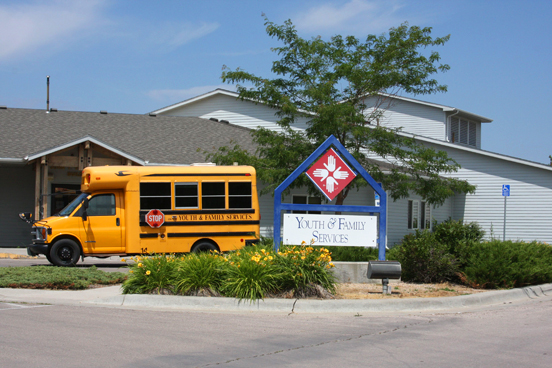
Youth and Family Services Inc Counseling Center
Rapid City, SD
- Outpatient
Substance use treatment · Does not use medication for opioid addiction · Cognitive behavioral therapy
Accepts: Cash or self-payment, Medicaid, Medicare
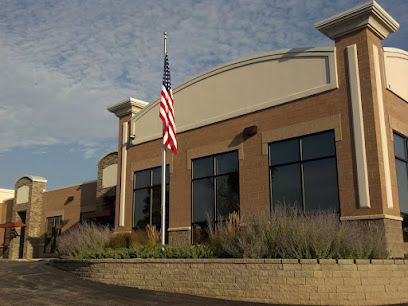
Addiction Recovery Centers of the Black Hills
Rapid City, SD
- IOP
Substance use treatment · Accepts clients on opioid medication but prescribed elsewhere · Cognitive behavioral therapy
Accepts: Cash or self-payment, Medicaid, State-financed health insurance plan other than Medicaid

Behavior Management Systems Full Circle
Rapid City, SD
- Residential
- Outpatient
- Sober Living
Substance use treatment · Accepts clients on opioid medication but prescribed elsewhere · Cognitive behavioral therapy
Accepts: Cash or self-payment, Medicaid, Medicare