

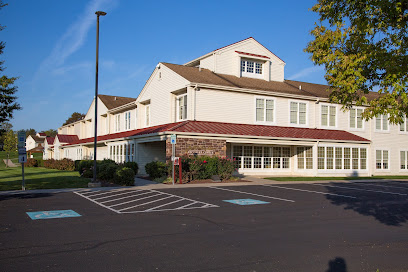
At a Glance
Location
807 Lawn Avenue, Sellersville, PA 18960
Phone
215-257-9999Primary Focus
Treatment Settings
Treatment Approaches
Special Programs
About Penn Foundation Inc Recovery Center
Penn Foundation Recovery Center in Sellersville, PA offers residential treatment and outpatient programs for adults, adolescents, older adults, veterans, and employees navigating substance abuse, mental health, and dual diagnosis challenges. With deep roots in Bucks County and a recovery community built around peer support, alumni fellowship, and the Wellspring Clubhouse, Penn Foundation is a long-term recovery partner — not just a starting point.
Penn Foundation Recovery Center sits at 807 Lawn Avenue in Sellersville, Pennsylvania, serving the Bucks County community as a residential and outpatient treatment facility. The center addresses substance abuse and addiction alongside mental health conditions, dual diagnosis, and intellectual disabilities — a breadth of care that sets it apart from single-focus programs. For families and individuals weighing their options for sustained recovery, Penn Foundation operates as a comprehensive recovery center with services designed to carry people well past the first weeks of treatment.
The center offers two core levels of care: residential treatment and an outpatient program. Residential treatment provides an immersive, structured environment for those who need full-time support during early recovery, while the outpatient program gives people the flexibility to maintain work, school, or family responsibilities while engaging in ongoing substance abuse treatment. Together, these tracks allow Penn Foundation to meet clients where they are in their recovery journey and adapt as their needs change over time.
What distinguishes Penn Foundation's approach is the combination of clinical depth and community-rooted support. Therapeutic methods include Transcranial Magnetic Stimulation (TMS), peer support, case management, faith-based counseling, and Clinical Pastoral Education — a range that reflects both clinical innovation and a values-grounded philosophy. An onsite pharmacy, a Mental Health Walk-in Center, and medication drop boxes reinforce the center's commitment to accessible, wraparound care. Services are available in both English and Spanish, broadening the community Penn Foundation can meaningfully serve.
Penn Foundation serves a wide range of populations — adults, children and adolescents, older adults, veterans, and employees through Employee Assistance Programs (EAP). Aftercare and community connection are woven into the model: the Alumni Fellowship, Wellspring Clubhouse, peer support networks, and Recovery Month participation keep the recovery community engaged long after formal treatment ends. For individuals and families looking for a recovery center with genuine roots in the community and a continuum that extends beyond discharge, Penn Foundation Recovery Center in Sellersville, PA is a compelling choice.
Residential Treatment and Outpatient Programs in Bucks County
Penn Foundation Recovery Center offers two distinct levels of care for people working through substance abuse and addiction: residential treatment and an outpatient program. Residential treatment is designed for individuals who benefit from full-time immersion in a recovery-focused environment, providing the structure and support needed during the most demanding phases of early recovery. The outpatient program serves those who are ready to reintegrate into daily life while continuing their addiction treatment on a scheduled basis.
This continuum matters because recovery rarely follows a straight line. Having both residential and outpatient options within the same recovery center means clients can step down from residential care into outpatient programming without having to rebuild relationships with an entirely new clinical team. For families supporting a loved one through treatment, that continuity can make a meaningful difference in long-term outcomes.
A Recovery Community Built for the Long Haul
Penn Foundation's aftercare and alumni infrastructure sets it apart from treatment centers that focus exclusively on the acute phase of care. The Wellspring Clubhouse offers a dedicated space for people in recovery to stay connected to peers and community after formal treatment ends. The Alumni Fellowship and peer support networks extend that connection further, creating an ongoing relationship between the center and the people it has served.
Recovery Month participation and a Stories of Recovery platform reflect an organization that takes community identity seriously. For the Sober Nation audience — people planning for long-term sobriety, not just the first 30 days — this kind of sustained community infrastructure is exactly what distinguishes a recovery partner from a temporary facility. Penn Foundation appears designed with that distinction in mind.
Dual Diagnosis and Specialized Populations at Penn Foundation
One of the more distinctive aspects of Penn Foundation Recovery Center is its willingness to serve populations that often struggle to find appropriate care. The center treats dual diagnosis — co-occurring substance abuse and mental health conditions — as well as intellectual disabilities alongside addiction. This matters because many treatment programs require clients to address one condition before entering treatment for the other, leaving people with complex needs without a clear path forward.
Veterans, older adults, children and adolescents, and employees referred through Employee Assistance Programs (EAP) are all explicitly served here. Spanish-language services extend access to the region's Spanish-speaking community. The center also operates a Mental Health Walk-in Center, providing an accessible entry point for individuals who may not know where to start but need help today.
Clinical Tools and Faith-Informed Care
Penn Foundation's therapeutic toolkit reflects a center that has invested in both clinical technology and values-based support. Transcranial Magnetic Stimulation (TMS) — a non-invasive brain stimulation technique used in treating certain mental health conditions — is available onsite, alongside more established approaches like case management and peer support. An onsite pharmacy and medication drop boxes make medication-related care more accessible and convenient for clients managing ongoing treatment needs.
Faith-based counseling and Clinical Pastoral Education offer a dimension of care that is meaningful for clients whose recovery is grounded in spiritual or religious belief. These are not token additions — Clinical Pastoral Education is a structured, credentialed discipline with roots in hospital and institutional care. For individuals and families for whom faith is central to their recovery, Penn Foundation's willingness to integrate that into treatment is a substantive differentiator.
Why Choose Penn Foundation Inc Recovery Center
- Wellspring Clubhouse and Alumni Fellowship create an active, ongoing recovery community — not just a post-discharge checklist
- Transcranial Magnetic Stimulation (TMS) adds a clinically advanced option rarely found outside major health systems
- Treats co-occurring mental health and intellectual disabilities alongside substance abuse, serving populations many programs turn away
- Faith-based counseling and Clinical Pastoral Education are integrated alongside clinical care, offering a values-grounded dimension for those who want it
- Serves veterans, older adults, adolescents, and EAP-referred employees under one roof — breadth of population coverage that is uncommon at the community level
Frequently Asked Questions
What levels of care does Penn Foundation Recovery Center offer?
Penn Foundation offers two primary levels of care: residential treatment and an outpatient program. Residential treatment provides full-time, immersive support for people in early or intensive recovery, while the outpatient program allows clients to continue treatment while managing daily responsibilities. Having both options at the same facility supports a smoother transition as needs evolve.
Does Penn Foundation treat dual diagnosis — both addiction and mental health conditions?
Yes. Penn Foundation Recovery Center explicitly treats dual diagnosis, meaning co-occurring substance abuse and mental health conditions are addressed together rather than separately. The center also serves individuals with intellectual disabilities alongside addiction, which is comparatively rare among community-based recovery centers.
What aftercare and alumni support does Penn Foundation provide?
Penn Foundation maintains a robust aftercare and alumni infrastructure that includes an Alumni Fellowship, the Wellspring Clubhouse, peer support networks, and participation in Recovery Month. A Stories of Recovery platform also helps connect the broader community. These resources are designed to keep people engaged in recovery long after formal treatment concludes.
Who does Penn Foundation Recovery Center serve?
The center serves a broad range of populations including adults, children and adolescents, older adults, veterans, and employees referred through Employee Assistance Programs (EAP). Services are available in both English and Spanish, and the center's Mental Health Walk-in Center provides an accessible entry point for those who need immediate support.
What therapeutic approaches does Penn Foundation use?
Penn Foundation's confirmed therapeutic methods include Transcranial Magnetic Stimulation (TMS), peer support, case management, faith-based counseling, and Clinical Pastoral Education. This combination reflects both clinical investment and a values-grounded philosophy that makes room for spiritual dimensions of recovery alongside structured clinical care.
What is the Wellspring Clubhouse at Penn Foundation?
The Wellspring Clubhouse is a community space affiliated with Penn Foundation Recovery Center that supports individuals in ongoing recovery. It is part of the center's aftercare framework and serves as a place for connection, peer support, and community engagement after formal treatment ends — a meaningful resource for people building long-term sober lives.
Does Penn Foundation offer services specifically for veterans?
Yes. Veterans are among the populations explicitly served at Penn Foundation Recovery Center. The center addresses substance abuse, mental health, and dual diagnosis — all conditions that affect veterans at elevated rates — within a program that also serves the broader community.
Where is Penn Foundation Recovery Center located, and what areas does it serve?
Penn Foundation Recovery Center is located at 807 Lawn Avenue in Sellersville, Pennsylvania, within Bucks County. The center primarily serves the Sellersville, PA area and the surrounding Bucks County community. A virtual tour is available for families who want to explore the facility before visiting in person.
Does Penn Foundation offer services in Spanish?
Yes. Penn Foundation Recovery Center provides services in Spanish, making addiction treatment and mental health care more accessible to Spanish-speaking individuals and families in the Bucks County area.
What is Transcranial Magnetic Stimulation (TMS) and is it available at Penn Foundation?
Transcranial Magnetic Stimulation (TMS) is a non-invasive procedure that uses magnetic fields to stimulate nerve cells in the brain, often used in treating certain mental health conditions. Penn Foundation Recovery Center lists TMS as one of its confirmed therapeutic methods, making it one of the few community-based recovery centers in the region to offer this technology onsite.
Nearby Treatment Centers
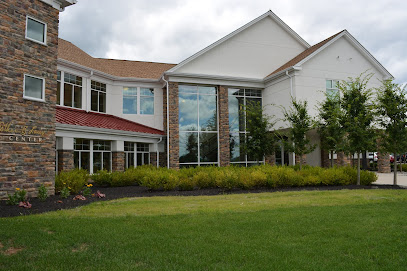
Community Service Foundation Inc
Sellersville, PA
- Outpatient
Substance use treatment · Does not use medication for opioid addiction · Accepts clients on opioid medication but prescribed elsewhere
Accepts: Military families
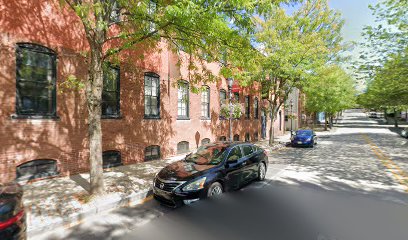
Guidance for Growing LLC
Souderton, PA
- IOP
Substance use treatment · Accepts clients on opioid medication but prescribed elsewhere · Cognitive behavioral therapy
Accepts: Cash or self-payment, Private health insurance
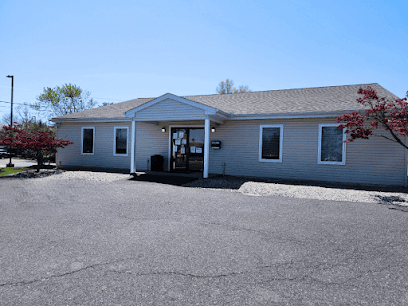
Northeast Family Healthcare LLC
Quakertown, PA
- IOP
- MAT
Substance use treatment · SAMHSA-certified Opioid Treatment Program · Cognitive behavioral therapy
Accepts: Cash or self-payment, Medicaid
Bucks County Counseling
Quakertown, PA
- IOP
Substance use treatment · Accepts clients on opioid medication but prescribed elsewhere · Cognitive behavioral therapy
Accepts: Cash or self-payment, Private health insurance, Sliding fee scale

Family Service Association
Quakertown, PA
- IOP
- MAT
Substance use treatment · Cognitive behavioral therapy · Substance abuse counseling
Accepts: Cash or self-payment, Medicaid, Private health insurance
New Vitae Inc
Quakertown, PA
- PHP
- IOP
- MAT
Substance use treatment · Accepts clients on opioid medication but prescribed elsewhere · Cognitive behavioral therapy
Accepts: Cash or self-payment, Medicaid, Private health insurance