

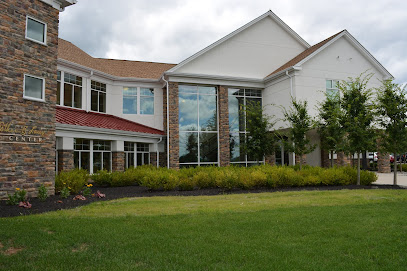
At a Glance
Location
253 North Main Street, Sellersville, PA 18960
Phone
215-257-4131Website
http://www.csfbuxmont.orgPrimary Focus
Treatment Settings
Treatment Approaches
Special Programs
About Community Service Foundation Inc
Community Service Foundation Inc operates an outpatient program in Sellersville, PA, serving adolescents and young adults with substance use disorders and co-occurring conditions. Since 1977, this recovery center has specialized in treating court-ordered clients through their restorative practices model and cognitive behavioral therapy approach.
Community Service Foundation Inc brings nearly five decades of experience to outpatient addiction treatment in Sellersville, Pennsylvania. Founded in 1977 by educators Ted and Susan Wachtel, this recovery center serves Bucks County, Eastern Pennsylvania, and parts of New Jersey with specialized programming for adolescents and young adults facing substance abuse treatment needs. The facility operates six school campuses and maintains community-based foster homes, creating an integrated approach to recovery and education.
The outpatient program addresses substance use disorders alongside behavioral and emotional problems, ADHD, oppositional defiance disorder, trauma, and PTSD. Licensed by the Pennsylvania Department of Drug and Alcohol Programs for both outpatient and partial hospitalization services, the center provides structured day treatment programming. Their aftercare support includes foster care services and continuing day treatment, ensuring clients maintain connection to the recovery community beyond initial treatment phases.
Cognitive behavioral therapy and restorative practices form the foundation of their treatment approach. The restorative practices model, developed by co-founder Ted Wachtel, emphasizes accountability and community healing rather than traditional punishment-based interventions. This framework particularly benefits court-ordered clients who comprise a significant portion of their population, helping young people address underlying issues while fulfilling legal requirements.
The center specializes in serving adolescents grades 7-12, young adults aged 18-25, and individuals with co-occurring disorders requiring dual diagnosis treatment. Their unique combination of educational services, residential foster care options, and outpatient substance abuse treatment creates a comprehensive support system for families navigating both addiction recovery and educational needs. Multiple state certifications demonstrate their expertise across child welfare, education, and addiction treatment domains.
Outpatient Program Structure and Recovery Community
Community Service Foundation's outpatient program operates Monday through Friday with extended evening hours twice weekly, accommodating school and work schedules for adolescents and young adults. The program integrates substance abuse treatment with educational support across their six campus locations throughout Bucks County and Eastern Pennsylvania.
Their recovery community extends beyond traditional outpatient sessions through continuing day treatment and foster care services. This comprehensive aftercare support helps young people maintain sobriety while addressing educational, family, and legal challenges that often accompany early recovery. The combination of therapeutic services and residential support creates lasting connections to the recovery community.
Restorative Practices and Therapeutic Approach
The center's signature restorative practices model, developed by co-founder Ted Wachtel, focuses on repairing harm and building accountability rather than imposing punishment. This approach proves particularly effective for court-ordered clients, helping them understand the impact of their actions while developing healthier coping mechanisms through cognitive behavioral therapy.
Treatment addresses the complex needs of young people dealing with substance use disorders alongside trauma, ADHD, oppositional defiance disorder, and other behavioral challenges. The dual diagnosis treatment model recognizes that lasting recovery requires addressing all underlying mental health conditions simultaneously with substance abuse treatment.
Specialized Populations and Court-Ordered Treatment
Community Service Foundation specializes in serving court-ordered adolescents and young adults, offering an alternative to traditional juvenile justice approaches. Their experience with this population spans nearly five decades, providing families and courts with a treatment-focused option that addresses root causes of substance abuse and behavioral problems.
The program serves grades 7-12 students and young adults up to age 25, including those with HIV/AIDS support needs and trauma histories. Multiple state certifications from drug and alcohol programs, public welfare departments, and children's services demonstrate their expertise across the complex needs of at-risk youth requiring comprehensive intervention.
Why Choose Community Service Foundation Inc
- Nearly 50 years of specialized experience serving court-ordered adolescents and young adults
- Integrated model combining outpatient addiction treatment with educational services across six school campuses
- Restorative practices approach developed by co-founder, emphasizing community healing over punishment
- Foster care services and community-based residential options supporting long-term recovery
- Dual diagnosis expertise treating co-occurring substance use, trauma, ADHD, and behavioral disorders
Frequently Asked Questions
What makes Community Service Foundation different from other outpatient programs?
Community Service Foundation combines outpatient addiction treatment with educational services across six school campuses and community-based foster care options. Their restorative practices model, developed by the co-founders, emphasizes community healing and accountability rather than traditional punishment-based approaches, making it particularly effective for court-ordered clients.
Do they provide aftercare support for long-term recovery?
Yes, the center offers continuing day treatment and foster care services as part of their aftercare support system. These services help young people maintain connections to the recovery community while addressing ongoing educational, family, and legal needs that support sustained sobriety.
What age groups does the outpatient program serve?
The program serves adolescents in grades 7-12 and young adults aged 18-25. They specialize in working with court-ordered clients and those with co-occurring disorders, trauma histories, ADHD, and other behavioral and emotional challenges requiring dual diagnosis treatment.
What therapeutic approaches do they use for substance abuse treatment?
The center uses cognitive behavioral therapy combined with their signature restorative practices model. This approach helps clients understand the impact of their actions, develop accountability, and build healthier coping mechanisms while addressing underlying trauma and behavioral issues.
Do they accept court-ordered clients for addiction treatment?
Yes, Community Service Foundation specializes in serving court-ordered adolescents and young adults. With nearly 50 years of experience in this area, they provide courts and families with a treatment-focused alternative that addresses root causes of substance abuse and behavioral problems.
What areas does the recovery center serve?
The center serves Sellersville and Bucks County, Pennsylvania, as well as Eastern Pennsylvania and parts of New Jersey through their out-of-state private school approval. They operate six school campuses throughout their service area to provide integrated treatment and educational services.
Can they treat co-occurring mental health disorders?
Yes, the center is licensed to treat co-occurring disorders including substance use disorders alongside trauma, PTSD, ADHD, oppositional defiance disorder, and other behavioral and emotional problems. Their dual diagnosis approach addresses all underlying conditions simultaneously for more effective long-term recovery.
What are their operating hours for outpatient treatment?
The center operates Monday through Friday with standard daytime hours, plus extended evening hours until 7 PM on Mondays and Thursdays. This schedule accommodates school and work commitments for adolescents and young adults in their outpatient program.
Nearby Treatment Centers
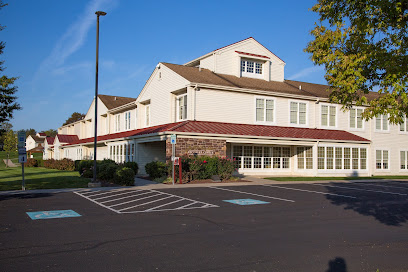
Penn Foundation Inc Recovery Center
Sellersville, PA
- Detox
- Residential
- PHP
- IOP
Substance use treatment · Cognitive behavioral therapy · Dialectical behavior therapy
Accepts: Cash or self-payment, Medicaid, State-financed health insurance plan other than Medicaid
Guidance for Growing LLC
Souderton, PA
- IOP
Substance use treatment · Accepts clients on opioid medication but prescribed elsewhere · Cognitive behavioral therapy
Accepts: Cash or self-payment, Private health insurance
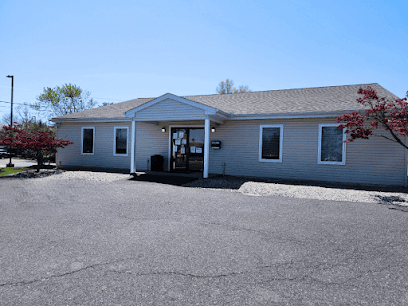
Northeast Family Healthcare LLC
Quakertown, PA
- IOP
- MAT
Substance use treatment · SAMHSA-certified Opioid Treatment Program · Cognitive behavioral therapy
Accepts: Cash or self-payment, Medicaid

Family Service Association
Quakertown, PA
- IOP
- MAT
Substance use treatment · Cognitive behavioral therapy · Substance abuse counseling
Accepts: Cash or self-payment, Medicaid, Private health insurance
Bucks County Counseling
Quakertown, PA
- IOP
Substance use treatment · Accepts clients on opioid medication but prescribed elsewhere · Cognitive behavioral therapy
Accepts: Cash or self-payment, Private health insurance, Sliding fee scale
New Vitae Inc
Quakertown, PA
- PHP
- IOP
- MAT
Substance use treatment · Accepts clients on opioid medication but prescribed elsewhere · Cognitive behavioral therapy
Accepts: Cash or self-payment, Medicaid, Private health insurance