

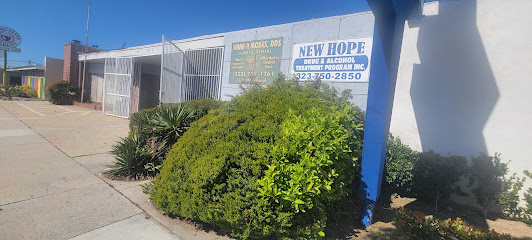
At a Glance
Location
1841 West Imperial Highway, Los Angeles, CA 90047
Phone
323-750-2850Website
http://www.newhopereha.comPrimary Focus
Treatment Settings
Treatment Approaches
Special Programs
About New Hope Drug and Alcohol Trt Prog
New Hope Drug and Alcohol Treatment Program is an outpatient clinic in Los Angeles serving a wide range of people in recovery, from adolescents and young adults to veterans and seniors. The center offers both standard Outpatient Program and Intensive Outpatient (IOP) services, with Cognitive Behavioral Therapy, dual diagnosis treatment, and individualized case management built into the recovery process.
New Hope Drug and Alcohol Treatment Program operates as an outpatient clinic at 1841 West Imperial Highway in Los Angeles, CA 90047, serving residents throughout Los Angeles County. As a community-rooted outpatient facility, New Hope focuses on helping people build lasting recovery outside of a residential setting — making it a practical fit for individuals who need structured support while maintaining work, school, or family responsibilities during their recovery journey.
The center provides two distinct levels of outpatient care: a standard Outpatient Program and an Intensive Outpatient Program (IOP). The IOP is designed for people who need more frequent therapeutic contact than a basic outpatient schedule provides, without requiring residential treatment. Both tracks are built around structured group and individual sessions, making them strong options for those transitioning out of a higher level of care or stepping into formal addiction treatment for the first time.
Cognitive Behavioral Therapy (CBT) anchors the clinical work at New Hope, offering a skills-based framework that helps clients recognize and reshape the thinking patterns connected to substance use. The program also addresses co-occurring disorders and dual diagnosis — recognizing that trauma, PTSD, and mental health conditions are frequently part of the same picture as addiction. Customized recovery plans, individual counseling, family counseling, support groups, case management, and sober coaches are all part of the service mix, giving clients a multi-layered support structure beyond the clinical hour.
New Hope serves an unusually broad population: adolescents, young adults ages 18–25, adults, seniors, men, women, pregnant women, veterans, people living with HIV/AIDS, and court-ordered individuals. Transportation services for youth further reduce access barriers. The program accepts state insurance and offers financial assistance, helping ensure that cost does not become a barrier to ongoing treatment for Los Angeles County residents who qualify.
Outpatient Rehab and IOP in Los Angeles County
New Hope Drug and Alcohol Treatment Program gives Los Angeles County residents two structured outpatient pathways for recovery: a standard Outpatient Program and an Intensive Outpatient Program (IOP). The IOP is particularly well-suited for people who are earlier in their recovery or who need more clinical contact hours each week to stay on track — without stepping into residential treatment. For those who are further along or managing well with less frequent support, the standard outpatient track provides consistent therapeutic structure while allowing flexibility in daily life.
Both programs are offered across an extended weekly schedule — Monday through Saturday, with evening hours available Tuesday and Thursday — making the center accessible to people who work or attend school during the day. This kind of scheduling is a deliberate part of keeping recovery sustainable for people living in the community rather than inside a treatment facility.
Dual Diagnosis and Trauma Treatment in an Outpatient Setting
New Hope treats co-occurring disorders and dual diagnosis as a core part of its outpatient program, not an add-on. For many people in recovery, trauma and PTSD are deeply connected to substance use, and the center's clinical model is built to address both at the same time. Cognitive Behavioral Therapy (CBT) provides the primary clinical framework — a structured, skills-focused approach that helps clients identify how thoughts, emotions, and behaviors intersect with patterns of substance use.
This integration matters for long-term recovery outcomes. People who receive treatment for both mental health conditions and substance use disorders in the same program are better positioned to maintain gains after the formal treatment period ends. New Hope's customized recovery plans and ongoing case management are designed with this continuity in mind.
Who New Hope Serves: A Recovery Community for All Stages of Life
Few outpatient clinics in Los Angeles serve as wide a range of people as New Hope. The program accepts adolescents, young adults (18–25), adults, seniors, men, women, pregnant women, veterans, individuals living with HIV/AIDS, and court-ordered clients. Youth services and transportation for younger clients address some of the practical barriers that can derail treatment participation before it even gets started.
Family counseling is part of the program's structure, reflecting an understanding that recovery rarely happens in isolation. Support groups and sober coaches extend the peer support network beyond the clinical setting — a key element for anyone building a sober life in the community. For families evaluating long-term recovery options in Los Angeles County, New Hope's breadth of services and populations served makes it a realistic option across many different circumstances.
Paying for Addiction Treatment at New Hope
New Hope accepts state insurance and offers financial assistance for those who qualify — two payment options that significantly expand access for Los Angeles County residents who might otherwise find outpatient rehab out of reach. The center's focus on accessible care aligns with its broader mission of serving diverse populations, including court-ordered individuals and youth who may not have private insurance coverage.
Prospective clients or family members can reach the center directly at (323) 750-2850 or by email at [email protected] to ask about eligibility and financial assistance options. The website at newhopereha.com provides additional information about the program.
Why Choose New Hope Drug and Alcohol Trt Prog
- Serves one of the broadest populations of any outpatient clinic in Los Angeles — including adolescents, veterans, pregnant women, seniors, and court-ordered clients
- Intensive Outpatient Program (IOP) paired with sober coaches provides more recovery support than a standard outpatient schedule, without requiring residential placement
- Dual diagnosis and trauma/PTSD treatment integrated directly into the outpatient program — not offered as a separate track
- Family counseling and case management included alongside individual therapy, supporting the wider recovery community around each client
- State insurance accepted and financial assistance available, lowering barriers for Los Angeles County residents seeking ongoing substance abuse treatment
Frequently Asked Questions
What levels of care does New Hope offer for addiction treatment?
New Hope offers two outpatient levels of care: a standard Outpatient Program and an Intensive Outpatient Program (IOP). The IOP provides a higher frequency of clinical contact than standard outpatient treatment, making it a strong option for people who need more structured support earlier in their recovery. Neither program requires overnight stays, so clients continue living in the community while receiving treatment.
Does New Hope treat co-occurring mental health conditions alongside addiction?
Yes. New Hope treats co-occurring disorders and dual diagnosis as part of its core program, not as a separate specialty track. The center also treats trauma and PTSD, which are frequently connected to substance use. Cognitive Behavioral Therapy (CBT) is the primary clinical approach used to address both mental health and addiction concerns together.
What populations does New Hope serve?
New Hope serves a broad range of people, including adolescents, young adults (18–25), adults, seniors, men, women, pregnant women, veterans, individuals living with HIV/AIDS, and court-ordered clients. Youth services and transportation for younger clients are also available, reducing access barriers for families seeking treatment for adolescents in Los Angeles County.
Does New Hope offer family support as part of the recovery program?
Yes. Family counseling is a confirmed part of the program at New Hope. The center also provides support groups and sober coaches, which extend the peer support network beyond individual sessions. These elements are designed to involve and support the people around a client, not just the client themselves.
What payment options are available at New Hope?
New Hope accepts state insurance and offers financial assistance for qualifying individuals. These options are intended to make outpatient addiction treatment accessible to a wider range of Los Angeles County residents. To learn more about eligibility, prospective clients can contact the center directly at (323) 750-2850.
What are the hours of operation at New Hope?
New Hope is open Monday, Wednesday, and Friday from 9:30 AM to 7:30 PM; Tuesday and Thursday from 9:30 AM to 9:00 PM; and Saturday from 10:00 AM to 5:00 PM. The center is closed on Sundays. Evening hours on Tuesdays and Thursdays make the program accessible for clients who have daytime work or school commitments.
Does New Hope provide sober coaches or peer support?
Yes. Sober coaches are a confirmed feature of New Hope's program. Alongside support groups and case management, sober coaches help clients stay connected to their recovery goals between scheduled sessions. This kind of peer and professional support is an important element of building a sustainable recovery community outside of a residential setting.
Where is New Hope located and what area does it serve?
New Hope Drug and Alcohol Treatment Program is located at 1841 West Imperial Highway in Los Angeles, CA 90047. The center's primary service area is Los Angeles County. Clients can reach the facility by phone at (323) 750-2850 or visit newhopereha.com for more information.
Does New Hope offer services for veterans in recovery?
Yes. Veterans are among the confirmed populations served at New Hope. The program's dual diagnosis and trauma/PTSD treatment capabilities are particularly relevant for veterans, who may be managing both substance use and mental health challenges at the same time. The center's flexible scheduling and financial assistance options may also be helpful for veterans navigating treatment access.
Is New Hope a good fit for someone transitioning out of residential treatment?
New Hope's Intensive Outpatient Program (IOP) is a strong option for people stepping down from residential treatment, as it provides more clinical structure than a standard outpatient schedule while allowing clients to live at home. The program's case management, sober coaches, and customized recovery plans are designed to support continuity of care during this transition period.
Nearby Treatment Centers
Behavioral Health Services Pacifica House
Hawthorne, CA
- Detox
- Residential
- MAT
Substance use treatment · Accepts clients on opioid medication but prescribed elsewhere · Cognitive behavioral therapy
Accepts: Cash or self-payment, Medicaid, Private health insurance
Lumpkin House Recovery Bridge Housing
Los Angeles, CA
- Sober Living
Smoking permitted in designated area · State Substance Abuse agency · State department of health
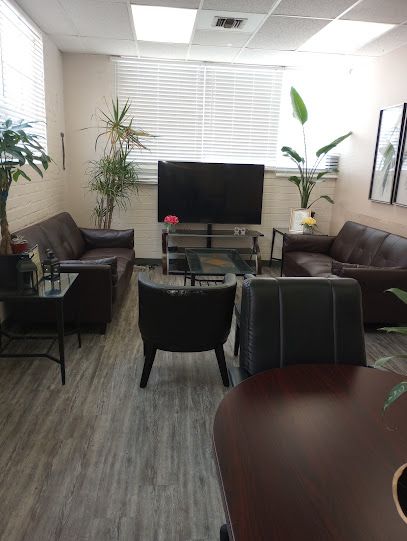
Behavioral Health Services Patterns
Hawthorne, CA
- Residential
Substance use treatment · Accepts clients on opioid medication but prescribed elsewhere · Cognitive behavioral therapy
Accepts: Cash or self-payment, Medicaid, State-financed health insurance plan other than Medicaid
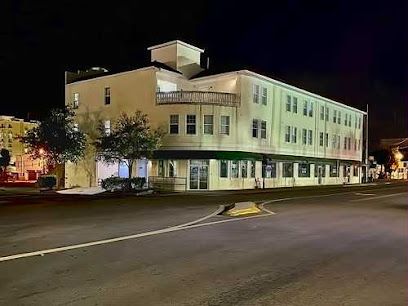
Dare U to Care Outreach Ministry
Los Angeles, CA
- Residential
- Sober Living
Substance use treatment · Does not treat opioid addiction · Cognitive behavioral therapy
Accepts: Cash or self-payment, Sliding fee scale
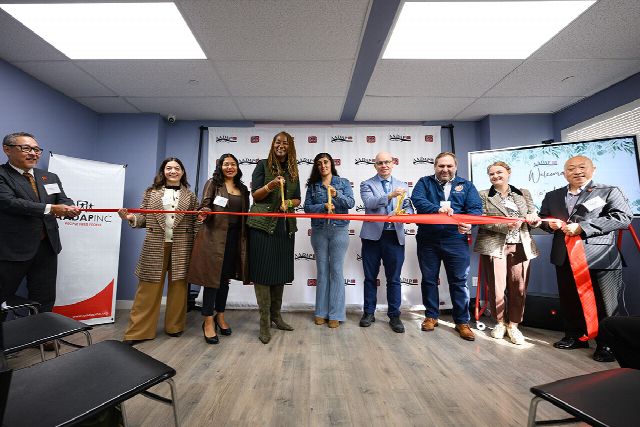
Asian American Drug Abuse Program Youth Outpatient Treatment
Gardena, CA
- IOP
Substance use treatment · Does not treat opioid addiction · Cognitive behavioral therapy
Accepts: Medicaid, Medicare, State-financed health insurance plan other than Medicaid
His Sheltering Arms Inc Residential Long Term
Los Angeles, CA
- Residential
- Sober Living
Substance use treatment · Does not treat opioid addiction · Cognitive behavioral therapy
Accepts: Cash or self-payment