

At a Glance
Location
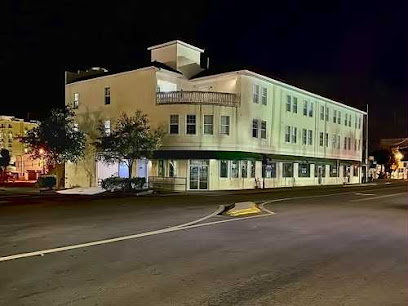
316 West 120th Street, Los Angeles, CA 90061
Phone
323-777-2372Website
http://www.dareutocare.orgPrimary Focus
Treatment Settings
Treatment Approaches
Special Programs
About Dare U to Care Outreach Ministry
Dare U to Care Outreach Ministry offers residential treatment and sober living in Los Angeles, CA, serving men, women, veterans, young adults, and seniors navigating addiction and co-occurring disorders. CARF-accredited and rooted in community support, the ministry pairs structured recovery programming with practical life-skills training to help residents rebuild stability for the long term.
Dare U to Care Outreach Ministry is a CARF-accredited residential recovery center located at 316 West 120th Street in Los Angeles, California. Operating as a faith-influenced outreach ministry, it occupies a distinct place in the South LA recovery landscape — one that combines structured addiction treatment with community-rooted programming designed for people ready to invest in lasting change, not just short-term stabilization.
The center offers two core levels of care: residential treatment and sober living. Residential treatment provides on-site housing and meals within a structured recovery environment, while the sober living option offers a supported transitional step for those moving toward greater independence. Together, these two pathways allow residents to move through different phases of the recovery continuum without leaving the community they have built at the ministry.
Dare U to Care draws on a range of therapeutic methods confirmed in its programming, including Cognitive Behavioral Therapy (CBT), anger management, grief and loss counseling, family counseling, group counseling, relapse prevention, domestic violence services, and drug education. The facility also addresses trauma and PTSD alongside co-occurring disorders, recognizing that addiction rarely exists in isolation. Residents have access to one-on-one counseling, employment training, educational opportunities, family reunification support, socialization programs, and spiritual empowerment — a combination that reflects the ministry's commitment to whole-person recovery.
The ministry serves a notably broad population: men, women, veterans, young adults between 18 and 25, seniors and older adults, and individuals requiring HIV/AIDS support. Payment options include self-pay and a sliding scale, making services accessible to people across different financial situations. For anyone in Los Angeles seeking a recovery center that addresses the full arc of recovery — from residential treatment through sober living and beyond — Dare U to Care Outreach Ministry offers a grounded, community-oriented option backed by CARF accreditation.
Residential Treatment and Sober Living in Los Angeles
Dare U to Care Outreach Ministry provides two distinct levels of care for people pursuing sustained recovery in Los Angeles: residential treatment and sober living. Residential treatment places participants in an on-site, structured environment where housing and meals are provided, allowing full focus on recovery without the distractions of daily life. The sober living option extends that support into the transitional phase, giving residents a community-connected space as they regain independence.
What sets this continuum apart is that both levels exist within the same ministry community. Residents do not have to rebuild their support network when they move from residential treatment to sober living — they stay connected to the same peers, staff, and programming that supported them from the start. For people in recovery who know that community continuity matters, this structure is a meaningful advantage.
Who Dare U to Care Serves
The ministry's confirmed populations span a broad range: men, women, veterans, young adults ages 18 to 25, seniors and older adults, and individuals requiring HIV/AIDS support. This breadth is intentional. Recovery needs differ significantly across life stages and lived experiences, and the ministry's programming — which includes trauma and PTSD treatment alongside co-occurring disorder support — reflects that reality.
Veterans, in particular, often arrive carrying trauma alongside substance use challenges. Seniors face their own set of barriers, including social isolation and limited income. Young adults are navigating identity and early adulthood while managing addiction. By serving all of these groups within a community-oriented residential setting, Dare U to Care creates an environment where different generations and backgrounds learn from each other as part of the recovery process.
Therapeutic Approach and Life-Skills Programming
Dare U to Care incorporates Cognitive Behavioral Therapy (CBT) as a core clinical method, supported by anger management, grief and loss counseling, relapse prevention, group counseling, family counseling, domestic violence services, and drug education. The ministry also addresses trauma and PTSD, acknowledging that many people entering addiction treatment carry unresolved experiences that fuel substance use. Co-occurring disorders are treated alongside addiction rather than in isolation.
Beyond clinical therapy, residents have access to employment training, educational opportunities, socialization programs, family reunification support, and spiritual empowerment programming. These offerings recognize that lasting recovery depends on more than abstinence — it requires stable housing, employment, rebuilt family connections, and a sense of purpose. The ministry's structure is designed to work on all of those fronts simultaneously during residential treatment, giving residents a more complete foundation before transitioning to sober living or independent life.
Aftercare and Sober Living Support
One of the clearest indicators of a recovery center's long-term commitment is what happens after formal treatment ends. At Dare U to Care, aftercare is built into the model through a confirmed sober living house connection. Rather than discharging residents into an unsupported environment, the ministry offers a structured transitional option that keeps people within a recovery-oriented community.
Sober living is widely recognized in the recovery community as a critical bridge between residential treatment and fully independent living. Having that option available through the same organization — with the same community ties, the same values, and the same support staff nearby — reduces the disruption that often accompanies major transitions in early recovery. For families evaluating long-term recovery partners for a loved one, that continuity is a substantive consideration, not just a convenience.
Why Choose Dare U to Care Outreach Ministry
- CARF-accredited residential treatment and sober living under one roof in South Los Angeles
- Serves an unusually wide range of populations — including veterans, seniors, young adults, and individuals needing HIV/AIDS support — within the same recovery community
- Integrated employment training and educational opportunities alongside clinical treatment, addressing the practical barriers that can undermine long-term recovery
- Family reunification and family counseling are built into the program, not offered as add-ons
- Sliding scale payment options make residential-level care accessible to residents who cannot afford market-rate treatment
Frequently Asked Questions
What levels of care does Dare U to Care Outreach Ministry offer?
Dare U to Care offers residential treatment and sober living. Residential treatment provides on-site housing and meals within a structured recovery program, while sober living offers a transitional step for those moving toward independence. Both levels of care are available through the same ministry community in Los Angeles.
Is Dare U to Care accredited?
Yes. Dare U to Care Outreach Ministry holds CARF accreditation, which is a nationally recognized standard for addiction treatment and rehabilitation programs. CARF accreditation indicates that the facility has met established benchmarks for quality of care and organizational accountability.
Who does Dare U to Care serve?
The ministry serves men, women, veterans, young adults ages 18 to 25, seniors and older adults, and individuals requiring HIV/AIDS support. The facility also treats co-occurring disorders and trauma or PTSD alongside addiction, serving people whose recovery needs span multiple areas.
What therapeutic methods are used in the residential program?
Confirmed therapeutic methods include Cognitive Behavioral Therapy (CBT), anger management, grief and loss counseling, family counseling, group counseling, relapse prevention, domestic violence services, and drug education. One-on-one counseling is also available within the residential program.
Does the facility offer aftercare or sober living support?
Yes. Dare U to Care provides aftercare support through a sober living house connection, allowing residents to transition from residential treatment into a structured, recovery-oriented living environment. This helps residents maintain community continuity during one of the most critical phases of recovery.
What payment options are available at Dare U to Care?
The ministry accepts self-pay and cash, and also offers a sliding scale payment option. Sliding scale fees are adjusted based on financial need, which can make residential treatment more accessible for people who may not qualify for or carry insurance coverage.
Does Dare U to Care offer programming for veterans?
Yes. Veterans are among the confirmed populations served at Dare U to Care. The ministry's treatment of trauma and PTSD alongside addiction makes it particularly relevant for veterans whose substance use is connected to military experiences or service-related mental health challenges.
Does the program include family involvement?
Family counseling and family reunification support are both confirmed components of the programming at Dare U to Care. These are integrated into the residential program rather than offered as optional supplements, reflecting the ministry's recognition that family relationships are often central to sustainable recovery.
Where is Dare U to Care Outreach Ministry located?
The facility is located at 316 West 120th Street in Los Angeles, California 90061. The ministry serves the greater Los Angeles, CA area and operates Monday through Friday from 8:00 AM to 5:00 PM. You can reach them directly at (323) 777-2372.
Does the program offer employment or educational support alongside addiction treatment?
Yes. Employment training and opportunities for education are confirmed facility features at Dare U to Care. These practical supports are offered alongside clinical treatment, addressing the life-skills and economic stability factors that play a significant role in long-term recovery outcomes.
Nearby Treatment Centers
Lumpkin House Recovery Bridge Housing
Los Angeles, CA
- Sober Living
Smoking permitted in designated area · State Substance Abuse agency · State department of health
MedMark Treatment Centers Los Angeles
Los Angeles, CA
- Outpatient
- MAT
Substance use treatment · All Clients in Opioid Treatment Program · SAMHSA-certified Opioid Treatment Program
Accepts: Cash or self-payment, Medicaid, Medicare

MedMark Treatment Centers Los Angeles
Los Angeles, CA
- Outpatient
- MAT
Substance use treatment · All Clients in Opioid Treatment Program · SAMHSA-certified Opioid Treatment Program
Accepts: Cash or self-payment, State-financed health insurance plan other than Medicaid, Private health insurance
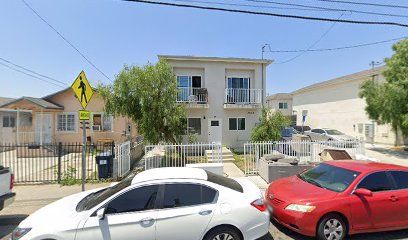
His Sheltering Arms Inc Residential Long Term
Los Angeles, CA
- Residential
- Sober Living
Substance use treatment · Does not treat opioid addiction · Cognitive behavioral therapy
Accepts: Cash or self-payment
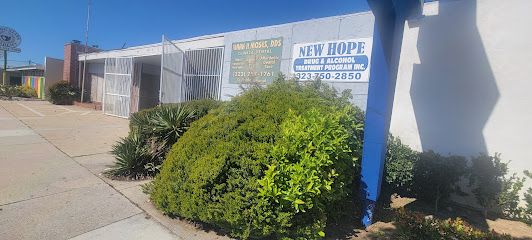
New Hope Drug and Alcohol Trt Prog
Los Angeles, CA
- PHP
- IOP
Substance use treatment · Does not treat opioid addiction · Cognitive behavioral therapy
Accepts: State-financed health insurance plan other than Medicaid, Payment assistance, Active duty military
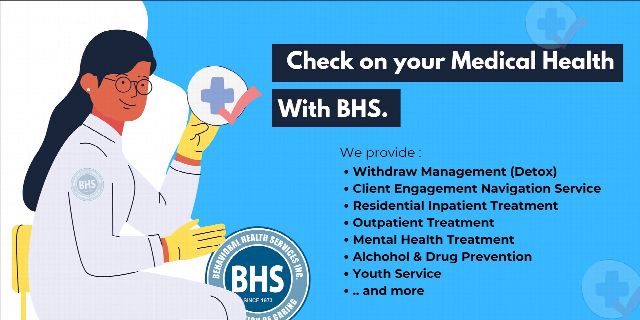
Behavioral Health Services Pacifica House
Hawthorne, CA
- Detox
- Residential
- MAT
Substance use treatment · Accepts clients on opioid medication but prescribed elsewhere · Cognitive behavioral therapy
Accepts: Cash or self-payment, Medicaid, Private health insurance