

At a Glance
Location
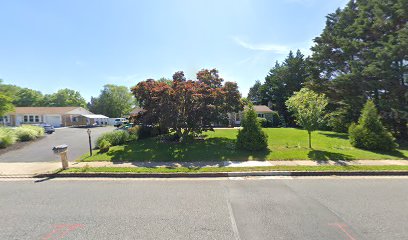
502 South Tollgate Road, Bel Air, MD 21014
Phone
410-399-2904Primary Focus
Treatment Settings
Treatment Approaches
Special Programs
About Homecoming Project Inc
Homecoming Project Inc is a state-certified residential treatment and outpatient program in Bel Air, Maryland, dedicated exclusively to women navigating recovery from substance use disorder. The center provides a supportive residential environment alongside structured programming — including CBT, 12-step, and life skills — making it a long-term recovery partner for women in Harford County who need more than a short-term fix.
Homecoming Project Inc operates out of Bel Air, Maryland, as a state-certified residential recovery center serving women who are working to build lasting lives free from substance use disorder. Situated in Harford County, the center functions as what its own website describes as a safe home for women in recovery — a phrase that reflects the program's core identity as a residential community, not simply a clinical setting. For women who also face housing instability, the program addresses homelessness alongside substance use disorder, recognizing that stable housing and recovery are deeply connected.
The center offers two levels of care: residential treatment and an outpatient program. The residential component provides a supportive residential environment where women live on-site as they progress through structured recovery programming. The outpatient program extends that support for women who are stepping down from residential care or who need structured treatment while maintaining outside responsibilities. Together, these two levels of care create a continuum that supports women across different stages of their recovery journey.
Homecoming Project's treatment approach draws on Cognitive Behavioral Therapy, individual counseling, life skills therapy, case management, education sessions, 12-step programs, and recreational activities. This combination reflects a philosophy that recovery involves rebuilding practical capabilities — employment skills, daily routines, community connections — alongside the clinical and peer-support work that 12-step and CBT provide. The center also maintains a family-oriented program, acknowledging that lasting recovery rarely happens in isolation from the people who matter most to residents.
Homecoming Project serves women exclusively, including those experiencing homelessness, making it one of the more specifically focused recovery centers in Harford County. The program accepts self-pay and cash, and administrative hours run Monday through Friday, 10:00 AM to 4:00 PM. For women in the Baltimore corridor seeking a residential recovery community built around their specific needs and circumstances, Homecoming Project offers a grounded, community-oriented option worth serious consideration.
A Residential Recovery Community Built for Women
Homecoming Project Inc is not a general-admission facility. It serves women — and specifically women who may be navigating the compounding challenges of substance use disorder and housing instability. That dual focus, treating homelessness alongside addiction, sets this Bel Air, Maryland program apart from residential treatment centers that address substance use in isolation from a resident's broader life circumstances.
The center's own description — a safe home for women in recovery — signals something important about its philosophy. Residents are not simply patients moving through a clinical protocol. They are members of a residential community, supported by a structured environment designed to help them develop the skills, relationships, and stability that long-term recovery requires. For women evaluating residential treatment in Harford County, that distinction matters.
Treatment Approach: From CBT to 12-Step to Life Skills
Homecoming Project's therapeutic model combines several well-established recovery modalities. Cognitive Behavioral Therapy and individual counseling form the clinical backbone, helping residents examine thought patterns and behaviors tied to substance use. 12-step programming connects residents to a wider peer recovery community — a network that extends well beyond the program's walls and continues to provide support after treatment ends.
What distinguishes the program is its attention to practical recovery. Life skills therapy and education sessions address the real-world demands residents will face upon leaving residential care. Case management ties these elements together, ensuring each woman has a coherent plan for housing, support, and continued outpatient care. Recreation rounds out the schedule, recognizing that rebuilding a life in recovery includes rediscovering activities that make daily life worth living.
Residential Treatment and Outpatient Program: A Continuum of Care
Homecoming Project offers two distinct levels of care — residential treatment and an outpatient program — which together form a genuine continuum for women at different points in their recovery. Women who enter the residential program live on-site in a supportive residential environment, participating in structured daily programming while building the stability and community connections that recovery depends on.
The outpatient program serves women who are transitioning out of residential care or who are earlier in their recovery and need structured support without a live-in setting. Having both options under the same organizational umbrella means residents can move between levels of care without losing the relationships and familiarity they've built — a meaningful advantage over programs that offer only one level of care and require residents to start over somewhere new when their needs change.
Family-Oriented Programming and Community Support
Recovery rarely happens in a vacuum, and Homecoming Project builds that reality into its program design. The center maintains a family-oriented program, creating space for residents to strengthen — or begin repairing — the relationships that will form part of their long-term support network after treatment. Family involvement is not an add-on; it is part of how the program frames recovery as something that happens in community, not in isolation.
For women in Harford County and the surrounding region who are looking for a residential addiction treatment program that treats them as whole people — with families, practical needs, and futures to plan — Homecoming Project's community-centered model offers something distinct from purely clinical settings. The center can be reached by phone at (410) 399-2904 during office hours, Monday through Friday, 10:00 AM to 4:00 PM.
Why Choose Homecoming Project Inc
- Women-only residential treatment and outpatient program addressing both substance use disorder and homelessness simultaneously
- Family-oriented program structure that keeps residents connected to their support networks during recovery
- 12-step peer support combined with CBT and life skills therapy for a well-rounded, community-grounded approach
- State-certified residential environment in Harford County, MD — a genuine sober-living community, not a clinical-only setting
- Case management and education sessions built into the program to help women rebuild practical stability alongside sobriety
Frequently Asked Questions
What levels of care does Homecoming Project offer?
Homecoming Project offers two levels of care: residential treatment and an outpatient program. The residential program provides on-site housing within a supportive residential community, while the outpatient program supports women who are stepping down from residential care or need structured programming without a live-in setting. Together, these create a continuum of care for women at different stages of recovery.
Who does Homecoming Project serve?
Homecoming Project serves women exclusively. The program is specifically designed for women dealing with substance use disorder, including those who are also experiencing homelessness. This dual focus makes it one of the more specialized recovery programs in Harford County, Maryland.
What therapeutic approaches are used at Homecoming Project?
The program incorporates Cognitive Behavioral Therapy, individual counseling, life skills therapy, case management, education sessions, 12-step programs, and recreational activities. This combination addresses both the clinical and practical dimensions of recovery, helping women build skills and community connections alongside sobriety.
Does Homecoming Project include family support in its programs?
Yes. Homecoming Project maintains a family-oriented program as a confirmed part of its service model. Family involvement is integrated into the center's approach, recognizing that long-term recovery is strengthened when residents can rebuild and rely on their personal support networks.
Does Homecoming Project address homelessness alongside addiction treatment?
Yes. Homecoming Project explicitly lists homelessness as one of the conditions it treats alongside substance use disorder. The residential program provides a stable living environment, which the center recognizes as foundational to successful, lasting recovery for women who lack safe and consistent housing.
What payment options does Homecoming Project accept?
Homecoming Project accepts self-pay and cash payments. Women interested in the program are encouraged to contact the center directly at (410) 399-2904 during office hours — Monday through Friday, 10:00 AM to 4:00 PM — to discuss costs and any available options.
Is Homecoming Project certified or accredited?
Yes. Homecoming Project is state certified, confirming that it meets Maryland's standards for residential addiction treatment programs. This certification applies to both its residential treatment and outpatient program offerings.
Where is Homecoming Project located?
Homecoming Project is based in Bel Air, Maryland, in Harford County. The mailing address is P.O. Box 1190, Bel Air, MD 21014. The center can be reached by phone at (410) 399-2904 during weekday office hours, and more information is available at homecomingrecovery.org.
Does Homecoming Project offer 12-step programming?
Yes. 12-step programs are a confirmed part of Homecoming Project's therapeutic model. This peer-based approach complements the clinical programming — including CBT and individual counseling — and connects residents to a broader recovery community that can provide ongoing support well beyond their time in the program.
How does the residential program at Homecoming Project support long-term recovery?
The residential program at Homecoming Project pairs on-site housing with structured therapeutic programming — including life skills therapy, case management, and education sessions — to help women build the practical stability and social skills recovery requires. The family-oriented program and 12-step community connections further support women in developing networks that sustain recovery after they leave residential care.
Nearby Treatment Centers

Ashley Addiction Treatment
Bel Air, MD
- Detox
- PHP
- IOP
- MAT
Substance use treatment · Accepts clients on opioid medication but prescribed elsewhere · SAMHSA-certified Opioid Treatment Program
Accepts: Cash or self-payment, Medicaid, Private health insurance

Turning Corners Inc
Bel Air, MD
- Outpatient
Substance use treatment · Accepts clients on opioid medication but prescribed elsewhere · Cognitive behavioral therapy
Accepts: Cash or self-payment
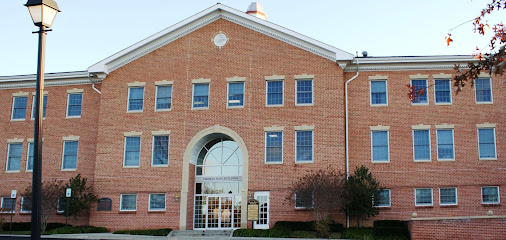
Harford County Health Department Division of Behavioral Health
Bel Air, MD
- Detox
- IOP
- MAT
Substance use treatment · Cognitive behavioral therapy · Dialectical behavior therapy
Accepts: Cash or self-payment, Medicaid, Medicare
DUI/DWI Education and Early Intervention Trt Program
Bel Air, MD
- Outpatient
Substance use treatment · Does not treat opioid addiction · Cognitive behavioral therapy
Accepts: Cash or self-payment
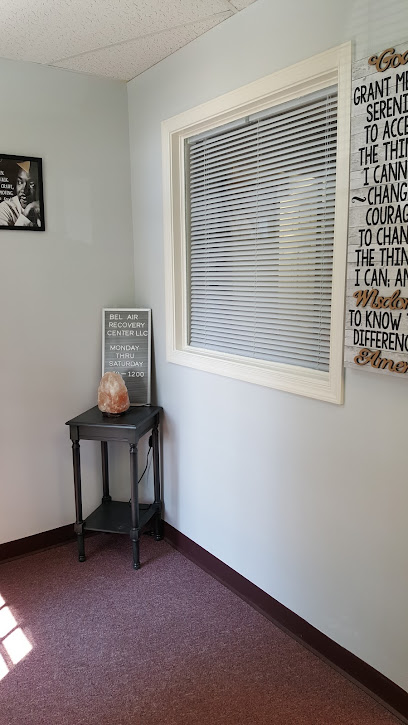
Assisted Recovery Centers of America/Mid Atlantic
Bel Air, MD
- Detox
- Outpatient
- MAT
Substance use treatment · All Clients in Opioid Treatment Program · Smoking not permitted
Accepts: Cash or self-payment
Bergand Group Harford County
Fallston, MD
- Detox
- IOP
- MAT
Substance use treatment · Accepts clients on opioid medication but prescribed elsewhere · Cognitive behavioral therapy
Accepts: Cash or self-payment, Medicaid, Private health insurance