


At a Glance
Location
1718 Airport Way South, Seattle, WA 98134
Phone
206-223-3644Primary Focus
Treatment Settings
Treatment Approaches
Special Programs
About Evergreen Treatment Services Unit 3
Evergreen Treatment Services Unit 3 is a specialized outpatient opioid treatment program serving adults across King County and the broader Puget Sound region since 1973. Operating from Seattle's South Bennett Street location, the program pairs direct clinic-based outpatient care with mobile clinics and street-based outreach to connect people where they are in their recovery journey.
Evergreen Treatment Services Unit 3 has been part of the Seattle recovery landscape since 1973, operating as a dedicated outpatient opioid treatment program at 317 S Bennett St in King County. The facility serves adults across Western Washington and the Puget Sound region, reaching patients both at its physical location and through mobile clinics that extend care beyond clinic walls — a distinction that sets it apart from programs requiring clients to come to them.
The program operates at the outpatient level of care, with clinic hours running Monday through Friday from 6:30 AM to 12:45 PM. This schedule reflects the reality of medication-assisted outpatient treatment, allowing participants to engage with the program while maintaining responsibilities at home or work. The outpatient model is designed for adults managing opioid use disorder and broader substance use disorder who benefit from structured, ongoing community-based support rather than residential placement.
The treatment approach at Evergreen Unit 3 is grounded in case management and street-based outreach. Case management helps participants navigate the practical and clinical challenges that accompany recovery — from coordinating care to addressing barriers that might otherwise derail progress. Street-based outreach extends the program's reach to individuals who may not yet have a stable pathway into traditional treatment settings. Aftercare support includes housing assistance and referrals for mental and primary health care, connecting participants to the broader network of services needed for lasting stability.
Evergreen Treatment Services Unit 3 is led by CEO Stephen Woolworth, PhD, and Medical Director Dr. Paul Grekin, MD, with additional leadership from experienced professionals in policy, quality improvement, and operations. Adults in King County, Western Washington, and the Puget Sound area who are seeking a recovery program with deep community roots, flexible outreach capacity, and concrete aftercare connections will find a program built around meeting people where they are — not just in the clinic, but in the community.
Outpatient Opioid Treatment in Seattle's South End
Evergreen Treatment Services Unit 3 operates as a specialized outpatient opioid treatment program at 317 S Bennett St in Seattle, Washington — a location that has served the King County recovery community since 1973. For adults living with opioid use disorder or broader substance use disorder, the program offers a community-based pathway that keeps recovery integrated with daily life rather than separating it from it.
Clinic hours run Monday through Friday, 6:30 AM to 12:45 PM, making the program accessible during morning hours when outpatient treatment schedules are most consistent with daily routines. The program does not operate on weekends, so prospective participants should plan their initial contact and ongoing engagement around the weekday schedule. To reach the team, contact Evergreen Treatment Services at (206) 223-3644 or [email protected].
Mobile Clinics and Street-Based Outreach: Care That Comes to You
One of the defining features of Evergreen Treatment Services Unit 3 is its mobile clinic infrastructure and street-based outreach model. Rather than waiting for adults to find their way through the door, the program deploys mobile clinics to extend its reach across King County and Western Washington — meeting people in the community settings where they actually are.
Street-based outreach is not just a referral mechanism; it is a clinical and community engagement strategy that connects individuals to the broader substance abuse treatment system at the moment they may be most reachable. For people navigating recovery who have had difficulty engaging with traditional clinic-based programs, this outreach approach represents a meaningful alternative entry point into ongoing outpatient care and recovery support.
Aftercare Support and Community Connections
Recovery does not end when a session concludes, and Evergreen Treatment Services Unit 3 builds that understanding into its aftercare framework. The program provides housing support and facilitates referrals for mental and primary health care — two of the most common structural barriers that can interrupt sustained recovery for adults managing opioid use disorder.
By connecting participants to housing resources and health care systems beyond the treatment program itself, Evergreen Unit 3 functions as a bridge between acute outpatient treatment and the broader network of services that support long-term stability. For adults in the Puget Sound region who are building a recovery plan that extends beyond the clinic, this aftercare infrastructure is a practical resource worth considering when evaluating outpatient programs in Seattle and King County.
Leadership and Clinical Oversight
Evergreen Treatment Services Unit 3 is guided by a leadership team with clinical and organizational depth. Stephen Woolworth, PhD, serves as Chief Executive Officer, while Dr. Paul Grekin, MD, provides medical direction for the program. The broader leadership includes Chloe Gale, MSW, as VP of Policy and Strategy, and Ivana Lichtscheidl as VP of Quality Improvement and Risk Management — a structure that reflects an organization attentive to both clinical outcomes and the systems that support them.
For adults and families evaluating outpatient opioid treatment programs in King County, the presence of physician-led medical oversight and credentialed clinical leadership is a meaningful indicator of program quality. Evergreen's organizational structure, combined with its decades of operation in Western Washington, positions it as an established recovery partner for the Puget Sound community.
Why Choose Evergreen Treatment Services Unit 3
- Operating since 1973, one of the longest-standing outpatient opioid treatment programs in the Puget Sound region
- Mobile clinic model extends care beyond the physical location to reach adults who face barriers to traditional clinic-based treatment
- Street-based outreach actively connects individuals to the recovery community before they have a formal treatment entry point
- Aftercare support includes housing assistance and referrals for mental and primary health care, addressing the full continuum of recovery needs
- Serves adults across King County and Western Washington, with a service area designed to meet the region's geographic scope
Frequently Asked Questions
What type of addiction treatment does Evergreen Treatment Services Unit 3 provide?
Evergreen Treatment Services Unit 3 is an outpatient opioid treatment program serving adults with opioid use disorder and substance use disorder. It operates at the outpatient level of care, meaning participants engage with the program on a regular basis while living in the community. The program also deploys mobile clinics and street-based outreach to extend care across King County and Western Washington.
Who is eligible to receive services at Evergreen Treatment Services Unit 3?
The program serves adults living with opioid use disorder or broader substance use disorder. It is designed for individuals in King County, Western Washington, and the broader Puget Sound region. The mobile clinic and street-based outreach components are specifically intended to reach adults who may face barriers to accessing traditional clinic-based treatment.
Where is Evergreen Treatment Services Unit 3 located and what areas does it serve?
The facility is located at 317 S Bennett St, Seattle, WA 98108, in King County. Its service area extends across Western Washington and the Puget Sound region, with mobile clinics expanding access beyond the fixed clinic location. Adults from across King County and surrounding communities are served by the program.
What are the clinic hours at Evergreen Treatment Services Unit 3?
The clinic is open Monday through Friday from 6:30 AM to 12:45 PM. The facility is closed on Saturdays and Sundays. Prospective participants should plan their initial contact and ongoing engagement around this weekday morning schedule.
What therapeutic methods does Evergreen Treatment Services Unit 3 use?
The program's therapeutic methods include case management and street-based outreach. Case management helps participants coordinate care and address the practical challenges that accompany recovery. Street-based outreach connects individuals to treatment services in the community settings where they are most reachable.
Does Evergreen Treatment Services Unit 3 offer aftercare or support beyond the clinic?
Yes. The program provides aftercare support that includes housing assistance and referrals for mental and primary health care. These services are designed to help participants address two of the most common barriers to sustained recovery — stable housing and access to ongoing health services — as they transition through and beyond outpatient treatment.
Does Evergreen Treatment Services Unit 3 offer mobile or community-based services?
Yes. The program operates mobile clinics as part of its service model, extending outpatient treatment access beyond the fixed clinic location at 317 S Bennett St. Street-based outreach is also a core component of the program, connecting adults to care in the community rather than requiring them to initiate contact on their own.
How long has Evergreen Treatment Services been operating?
Evergreen Treatment Services was founded in 1973, making it one of the longest-standing outpatient opioid treatment organizations in the Seattle area and Western Washington. Its decades of operation in the Puget Sound region reflect an established commitment to community-based recovery support.
How can I contact Evergreen Treatment Services Unit 3?
You can reach Evergreen Treatment Services Unit 3 by phone at (206) 223-3644 or by email at [email protected]. The clinic is open Monday through Friday, 6:30 AM to 12:45 PM. More information is available at www.evergreentreatment.org.
Who leads the clinical and administrative team at Evergreen Treatment Services Unit 3?
The program is led by CEO Stephen Woolworth, PhD, and Medical Director Dr. Paul Grekin, MD. Additional leadership includes Chloe Gale, MSW, as VP of Policy and Strategy, and Ivana Lichtscheidl as VP of Quality Improvement and Risk Management. This leadership structure reflects an organization with both clinical oversight and an emphasis on program quality.
Nearby Treatment Centers
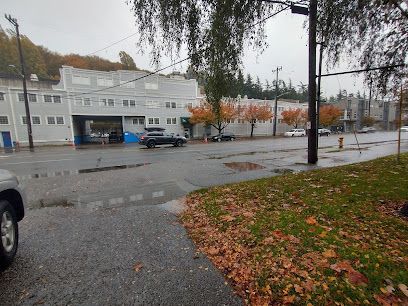
Evergreen Treatment Services Unit 1
Seattle, WA
- Detox
- Outpatient
- MAT
Substance use treatment · All Clients in Opioid Treatment Program · SAMHSA-certified Opioid Treatment Program
Accepts: Cash or self-payment, Medicaid, Medicare
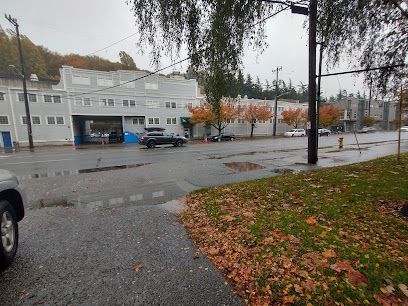
Evergreen Treatment Services Unit 2
Seattle, WA
- Detox
- Outpatient
- MAT
Substance use treatment · All Clients in Opioid Treatment Program · SAMHSA-certified Opioid Treatment Program
Accepts: Cash or self-payment, Medicaid, Medicare
Valley Cities Recovery Place Seattle
Seattle, WA
- Detox
- Residential
- MAT
- Sober Living
Substance use treatment · Cognitive behavioral therapy · Dialectical behavior therapy
Accepts: Medicaid, Private health insurance
Seattle Indian Health Board
Seattle, WA
- Outpatient
- MAT
Substance use treatment · Accepts clients on opioid medication but prescribed elsewhere · Cognitive behavioral therapy
Accepts: Cash or self-payment, Medicaid, Medicare
Pioneer Counseling Services Seattle/Pioneer Human Services
Seattle, WA
- IOP
Substance use treatment · Does not treat opioid addiction · Cognitive behavioral therapy
Accepts: Cash or self-payment, Medicaid, Private health insurance
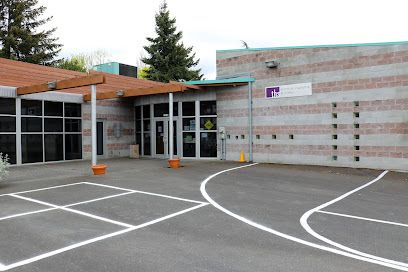
Therapeutic Health Services Youth and Family Services
Seattle, WA
- IOP
Substance use treatment · Does not treat opioid addiction · Cognitive behavioral therapy
Accepts: Cash or self-payment, Medicaid, State-financed health insurance plan other than Medicaid