

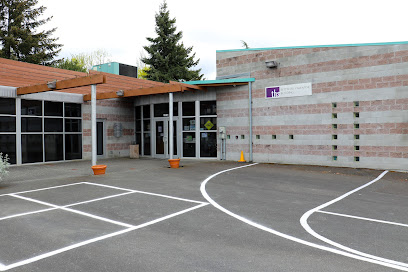
At a Glance
Location
1901 Martin Luther King Jr Way South, Seattle, WA 98144
Phone
206-322-7676Website
http://www.ths-wa.orgPrimary Focus
Treatment Settings
Treatment Approaches
Special Programs
About Therapeutic Health Services Youth and Family Services
Therapeutic Health Services Youth and Family Services provides outpatient addiction treatment and mental health care in South Seattle, specializing in methadone treatment alongside comprehensive behavioral health services. This CARF-accredited recovery center serves diverse populations including youth, families, veterans, and pregnant women across King and Snohomish counties.
Therapeutic Health Services Youth and Family Services operates as a community-focused outpatient treatment center in Seattle's Central District, serving residents across King and Snohomish counties. Located on Martin Luther King Jr Way South, this CARF-accredited facility combines substance abuse treatment with comprehensive mental health services, positioning itself as a dual-diagnosis recovery center for individuals and families navigating both addiction and co-occurring mental health conditions.
The center's primary addiction treatment offering centers on methadone treatment as part of their outpatient program structure. Beyond substance abuse treatment, their clinical team addresses conditions including anxiety, depression, PTSD, bipolar disorder, and schizophrenia through their integrated outpatient framework. Telehealth options extend their recovery community reach, ensuring continuity of care for clients who need flexible access to ongoing treatment and aftercare support.
Treatment approaches incorporate Cognitive Behavioral Therapy and trauma-informed care principles throughout their programming. The center's clinical philosophy emphasizes addressing underlying trauma while building practical coping strategies, recognizing that many clients in recovery face intersecting challenges that require comprehensive therapeutic intervention rather than single-issue treatment protocols.
Their diverse service population reflects the center's commitment to cultural competency and specialized care, welcoming youth, families, adults, seniors, veterans, queer youth, and pregnant or parenting individuals. Spanish and Vietnamese language services ensure accessibility for Seattle's multilingual recovery community. TRICARE acceptance specifically supports veteran families seeking long-term recovery solutions, while their broad population focus makes them a resource for families navigating addiction treatment together rather than in isolation.
Outpatient Programs and Recovery Services
The outpatient treatment structure at Therapeutic Health Services allows clients to maintain work, family, and community connections while engaging in regular recovery programming. Their methadone treatment component provides medication-assisted treatment within a broader framework of behavioral health services, supporting individuals transitioning from more intensive levels of care or seeking community-based recovery support.
Telehealth capabilities expand access to ongoing care, particularly valuable for clients in rural areas of King and Snohomish counties or those with transportation barriers. This flexibility supports long-term engagement in recovery programming, allowing clients to maintain consistent therapeutic relationships even when life circumstances change.
Trauma-Informed Treatment Approach
Cognitive Behavioral Therapy forms the foundation of their therapeutic methodology, helping clients develop practical skills for managing both addiction triggers and mental health symptoms. The trauma-informed care framework recognizes how past experiences influence current recovery challenges, particularly relevant for their veteran population and individuals with PTSD diagnoses.
Treatment planning addresses co-occurring conditions including anxiety, depression, and bipolar disorder alongside substance abuse concerns. This integrated approach prevents clients from navigating separate treatment systems, instead providing coordinated care that addresses the full spectrum of recovery needs within their established therapeutic relationships.
Community Connections and Cultural Competency
Spanish and Vietnamese language services reflect the center's commitment to serving Seattle's diverse communities authentically. Cultural competency extends beyond translation to understanding how addiction impacts different communities and families, informing treatment approaches that respect cultural values while promoting recovery goals.
Their location in the Central District positions them within historically significant Seattle neighborhoods, fostering connections with local community resources and support networks that enhance long-term recovery outcomes. Veterans receive specialized attention through TRICARE acceptance and programming that understands military culture and trauma experiences.
Family-Centered Recovery Programming
Family involvement distinguishes their approach from individual-focused treatment models, recognizing that recovery impacts entire family systems. Programming for pregnant and parenting individuals addresses unique challenges around maintaining recovery while caring for children, providing practical support alongside clinical treatment.
Youth and family services create opportunities for multi-generational healing, particularly important when addiction affects multiple family members. Their CARF accreditation provides families with confidence in treatment quality while their diverse population focus ensures programming remains relevant across different life stages and circumstances.
Why Choose Therapeutic Health Services Youth and Family Services
- Methadone treatment integrated with comprehensive mental health services under one roof
- CARF accreditation ensuring quality standards for long-term recovery outcomes
- Specialized programming for queer youth and pregnant/parenting individuals
- Bilingual services in Spanish and Vietnamese for diverse recovery communities
- Trauma-informed care addressing root causes beyond addiction symptoms
Frequently Asked Questions
Does THS provide methadone treatment as part of their outpatient program?
Yes, Therapeutic Health Services offers methadone treatment within their outpatient program framework. This medication-assisted treatment is integrated with their comprehensive behavioral health services and mental health programming.
What mental health conditions does the recovery center treat alongside addiction?
The center treats anxiety, depression, PTSD, bipolar disorder, and schizophrenia as part of their dual-diagnosis approach. Their trauma-informed care model addresses how these co-occurring conditions intersect with substance abuse treatment and recovery planning.
Are telehealth options available for ongoing recovery support?
Yes, telehealth services are available to support continued engagement in outpatient programming. This option particularly benefits clients across King and Snohomish counties who face transportation challenges or need flexible access to their established care team.
What makes their family programming different from individual treatment?
Their family-centered approach recognizes that addiction impacts entire family systems, not just individuals. They provide specialized programming for pregnant and parenting individuals, youth services, and family therapy that promotes multi-generational healing and recovery support.
Does the center serve veterans and accept TRICARE insurance?
Yes, veterans are specifically included in their served populations, and they accept TRICARE insurance. Their trauma-informed care approach is particularly relevant for veterans dealing with PTSD and other service-related mental health challenges alongside addiction.
What languages are available for non-English speaking clients?
Spanish and Vietnamese language services are available to ensure cultural competency and accessibility. This linguistic support extends beyond translation to culturally informed treatment approaches that respect diverse community values and recovery perspectives.
How does CARF accreditation benefit people choosing this recovery center?
CARF accreditation demonstrates adherence to rigorous quality standards for addiction treatment and behavioral health services. This third-party validation provides confidence in treatment effectiveness and organizational commitment to clinical practices and continuous improvement.
What therapeutic approaches does THS use in their recovery programming?
The center utilizes Cognitive Behavioral Therapy and trauma-informed care as their primary therapeutic methods. This combination helps clients develop practical coping skills while addressing underlying trauma that often contributes to both addiction and mental health challenges.
Are there specialized services for LGBTQ+ individuals in recovery?
Yes, queer youth are specifically identified as a served population, indicating specialized programming and cultural competency for LGBTQ+ individuals. This focus ensures recovery programming addresses unique challenges and creates affirming treatment environments.
What areas does THS serve beyond Seattle?
The center serves clients throughout King County and Snohomish County in addition to Seattle residents. Their telehealth capabilities extend access to rural areas within their service region, supporting recovery community connections across broader geographic areas.
Nearby Treatment Centers

Valley Cities Recovery Place Seattle
Seattle, WA
- Detox
- Residential
- MAT
- Sober Living
Substance use treatment · Cognitive behavioral therapy · Dialectical behavior therapy
Accepts: Medicaid, Private health insurance
Pioneer Counseling Services Seattle/Pioneer Human Services
Seattle, WA
- IOP
Substance use treatment · Does not treat opioid addiction · Cognitive behavioral therapy
Accepts: Cash or self-payment, Medicaid, Private health insurance

Asian Counseling and Referral Service
Seattle, WA
- IOP
- MAT
Substance use treatment · Accepts clients on opioid medication but prescribed elsewhere · Cognitive behavioral therapy
Accepts: Cash or self-payment, Medicaid, State-financed health insurance plan other than Medicaid
Sea Mar Behavioral Health Turning Point Recovery
Seattle, WA
- Residential
- MAT
Substance use treatment · Accepts clients on opioid medication but prescribed elsewhere · Cognitive behavioral therapy
Accepts: Cash or self-payment, Medicaid, Sliding fee scale

Evergreen Treatment Services Unit 2
Seattle, WA
- Detox
- Outpatient
- MAT
Substance use treatment · All Clients in Opioid Treatment Program · SAMHSA-certified Opioid Treatment Program
Accepts: Cash or self-payment, Medicaid, Medicare

Evergreen Treatment Services Unit 1
Seattle, WA
- Detox
- Outpatient
- MAT
Substance use treatment · All Clients in Opioid Treatment Program · SAMHSA-certified Opioid Treatment Program
Accepts: Cash or self-payment, Medicaid, Medicare