

 1 / 3
1 / 3At a Glance
Location
8029 South 700 East, Sandy, UT 84070
Phone
385-557-2183Primary Focus
Treatment Settings
Treatment Approaches
Special Programs
About Collective Recovery
Collective Recovery is an outpatient addiction treatment center in Sandy, Utah, offering Outpatient and Intensive Outpatient Programs for adults navigating substance use disorder, co-occurring mental health conditions, and trauma. Rooted in the belief that people are stronger together, the center provides a non-judgmental environment where ongoing recovery is built through structured therapy, community connection, and monthly alumni events.
Collective Recovery is an outpatient clinic located at 9543 South 700 East in Sandy, Utah, serving Salt Lake County residents who are ready to address substance use disorder, mental health concerns, co-occurring disorders, and trauma or PTSD. The center operates on the principle that recovery is a collective effort — that individuals make more sustained progress when they are surrounded by professional support and a community that understands their experience. It is LegitScript certified and accepts Medicaid, private insurance, TRICARE, state insurance, and self-pay, making access to care broadly available across the Sandy, UT service area.
The center offers two distinct outpatient levels of care: a standard Outpatient Program and an Intensive Outpatient Program (IOP). The IOP is designed for people who need more structured, frequent engagement with treatment than a standard outpatient schedule provides — a strong fit for those stepping down from a higher level of care or managing complex co-occurring conditions while maintaining daily responsibilities. Both tracks address substance use disorder alongside mental health needs, reflecting the center's dual-diagnosis orientation.
Collective Recovery draws on a defined set of therapeutic methods to guide clients through treatment. Cognitive Behavioral Therapy (CBT), Dialectical Behavioral Therapy (DBT), Acceptance and Commitment Therapy (ACT), and Mind-Body Bridging are the core modalities in use. This combination is particularly well-suited to people working through trauma and PTSD alongside substance use, as each method offers tools for managing difficult thoughts, emotions, and behavioral patterns. The center holds sessions Monday through Thursday from 9:00 a.m. to 12:00 p.m.
Collective Recovery serves court-ordered individuals alongside community members choosing treatment on their own terms — and both populations receive care in the same non-judgmental environment the center explicitly commits to. The monthly in-person alumni events signal that the relationship does not end at discharge; former clients remain part of the Collective Recovery community, which is a meaningful differentiator for anyone prioritizing aftercare and long-term connection in their recovery plan.
Outpatient & IOP Addiction Treatment in Sandy, Utah
Collective Recovery offers two levels of outpatient care for adults in the Salt Lake County area: a standard Outpatient Program and an Intensive Outpatient Program (IOP). The IOP is a practical choice for people who need more clinical contact hours than a basic outpatient schedule provides — particularly those managing co-occurring disorders or stepping down from residential treatment and looking to continue building on earlier work.
Both programs operate Monday through Thursday from 9:00 a.m. to 12:00 p.m. at the Sandy clinic, making it possible for clients to pursue structured addiction treatment and mental health support without putting the rest of their lives entirely on hold. For many people in ongoing recovery, that balance is exactly what allows them to sustain progress long-term.
Treating Co-Occurring Disorders, Trauma, and Mental Health
Substance use rarely travels alone. Collective Recovery's treatment scope includes co-occurring disorders and dual diagnosis, trauma and PTSD, and broader mental health conditions — reflecting the clinical reality that lasting recovery often requires addressing more than the substance use itself. The therapeutic methods in use — CBT, DBT, ACT, and Mind-Body Bridging — are each suited to this kind of layered work, giving clinicians and clients a range of tools depending on what is driving the struggle.
Mind-Body Bridging in particular stands out as a less common modality in the outpatient setting, offering a structured way to address the relationship between thought patterns and physical experience. For trauma survivors navigating recovery, this adds a meaningful dimension to the standard cognitive and behavioral work that defines most outpatient programs.
Aftercare and Alumni Community at Collective Recovery
One of the more concrete differentiators at Collective Recovery is what happens after formal treatment ends. The center hosts monthly in-person alumni events, giving people who have completed the program a regular, structured reason to stay connected to the recovery community they built during treatment. For a community-oriented recovery model, this kind of sustained alumni engagement matters — it bridges the gap between the end of an IOP and the long arc of ongoing sobriety.
Recovery built in community tends to hold. The center's own stated belief — that people are stronger together — is not just a tagline; it shapes how the program is structured and how alumni are kept in the fold. For family members evaluating options, an active alumni program is a signal that the center is invested in outcomes beyond the last session.
Insurance, Payment, and Access to Care
Collective Recovery accepts a broad range of payment options, including Medicaid, private insurance, TRICARE, state insurance, and self-pay. For individuals and families in Sandy and surrounding Salt Lake County communities, this range of accepted coverage removes a common barrier to starting an outpatient program or IOP. The center is also LegitScript certified, which provides an additional layer of verified credibility for those researching addiction treatment providers online.
To learn more or begin the intake process, Collective Recovery can be reached by phone at (385) 557-2183 or by email at [email protected]. The clinic is located at 9543 South 700 East, Suite 200, Sandy, UT 84070.
Why Choose Collective Recovery
- Monthly in-person alumni events create an ongoing recovery community beyond the end of formal treatment
- Dual-diagnosis focus treats substance use disorder alongside trauma/PTSD and mental health conditions simultaneously
- Four distinct therapy modalities — CBT, DBT, ACT, and Mind-Body Bridging — address recovery from multiple clinical angles
- Accepts Medicaid, TRICARE, state insurance, private insurance, and self-pay, broadening access for Salt Lake County residents
- Court-ordered and voluntary clients served together in a formally non-judgmental environment
Frequently Asked Questions
What levels of care does Collective Recovery offer for addiction treatment?
Collective Recovery offers two outpatient levels of care: a standard Outpatient Program and an Intensive Outpatient Program (IOP). The IOP provides a higher level of structured clinical contact, making it well-suited for people managing complex co-occurring conditions or transitioning from a more intensive level of care. Both programs are available at the Sandy, UT clinic.
Does Collective Recovery treat co-occurring mental health conditions alongside substance use disorder?
Yes. Collective Recovery explicitly treats co-occurring disorders and dual diagnosis, along with trauma and PTSD and broader mental health conditions. This dual-diagnosis focus means clients are not required to address mental health and substance use in separate, siloed settings.
What therapeutic approaches are used at Collective Recovery?
The center uses Cognitive Behavioral Therapy (CBT), Dialectical Behavioral Therapy (DBT), Acceptance and Commitment Therapy (ACT), and Mind-Body Bridging. These modalities are used to address substance use, mental health, and trauma together, offering clients a range of clinical tools across both the Outpatient Program and IOP.
Does Collective Recovery offer any aftercare or alumni support?
Yes. Collective Recovery hosts monthly in-person alumni events, providing a structured way for people who have completed treatment to stay connected to the recovery community. This ongoing alumni engagement is an important part of the center's commitment to long-term recovery rather than just program completion.
What insurance does Collective Recovery accept?
Collective Recovery accepts Medicaid, private insurance, TRICARE, state insurance, and self-pay. This broad range of payment options makes the center accessible to many individuals and families in the Salt Lake County area who are evaluating outpatient addiction treatment options.
Does Collective Recovery serve court-ordered clients?
Yes. Collective Recovery serves court-ordered individuals alongside those who seek treatment voluntarily. Both populations are received in the same non-judgmental environment that the center formally commits to as a core facility feature.
Where is Collective Recovery located and what areas does it serve?
Collective Recovery is located at 9543 South 700 East, Suite 200, Sandy, UT 84070, in Salt Lake County. The center's primary service area is Sandy, UT, and it can be reached by phone at (385) 557-2183.
What are Collective Recovery's hours of operation?
Collective Recovery holds sessions Monday through Thursday from 9:00 a.m. to 12:00 p.m. Prospective clients are encouraged to call (385) 557-2183 or email [email protected] for intake scheduling and additional details.
Is Collective Recovery a verified, legitimate addiction treatment provider?
Yes. Collective Recovery holds LegitScript certification, which is a recognized standard for verifying the legitimacy of addiction treatment providers. This certification is relevant for individuals and families who want assurance they are considering a credible, properly reviewed program.
Is Collective Recovery a good fit for someone in longer-term recovery who needs ongoing outpatient support?
Collective Recovery is structured specifically around outpatient and IOP-level care, making it well-aligned for people in ongoing recovery who need structured programming without a residential setting. The monthly alumni events and dual-diagnosis treatment approach reflect a center invested in sustained, community-supported recovery rather than short-term stabilization alone.
Nearby Treatment Centers
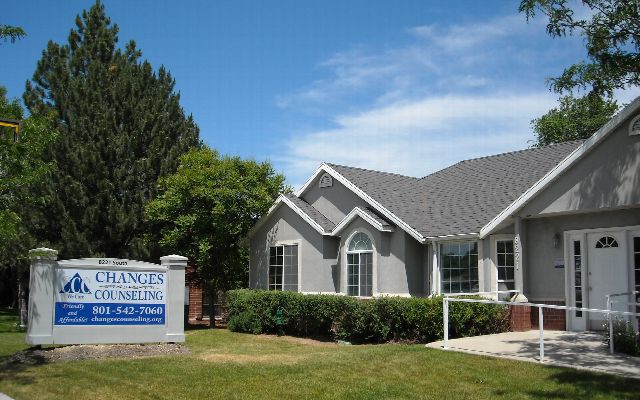
Changes Counseling and Consultation LLC
Sandy, UT
- IOP
Substance use treatment · Accepts clients on opioid medication but prescribed elsewhere · Cognitive behavioral therapy
Accepts: Cash or self-payment, Medicaid, State-financed health insurance plan other than Medicaid
Turning Point Centers Day Treatment and IOP
Sandy, UT
- PHP
- IOP
- MAT
- Sober Living
Substance use treatment · Accepts clients on opioid medication but prescribed elsewhere · Cognitive behavioral therapy
Accepts: Cash or self-payment, Medicaid, State-financed health insurance plan other than Medicaid
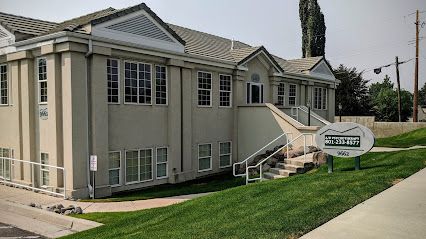
A/D Psychotherapy and Clinical Inc
Sandy, UT
- Detox
- PHP
- IOP
- MAT
Substance use treatment · Accepts clients on opioid medication but prescribed elsewhere · Cognitive behavioral therapy
Accepts: Cash or self-payment, Medicaid, Medicare

Pathways Real Life Recovery
Sandy, UT
- PHP
- IOP
- MAT
- Sober Living
Substance use treatment · Cognitive behavioral therapy · Dialectical behavior therapy
Accepts: Cash or self-payment, Private health insurance
Firefly Addiction and Family Therapy
Sandy, UT
- IOP
Substance use treatment · Accepts clients on opioid medication but prescribed elsewhere · Cognitive behavioral therapy
Accepts: Cash or self-payment, Private health insurance, Sliding fee scale
A New Direction Recovery and Wellness
Sandy, UT
- IOP
- MAT
Substance use treatment · Accepts clients on opioid medication but prescribed elsewhere · Cognitive behavioral therapy
Accepts: Cash or self-payment, Medicaid, Private health insurance