

At a Glance
Location
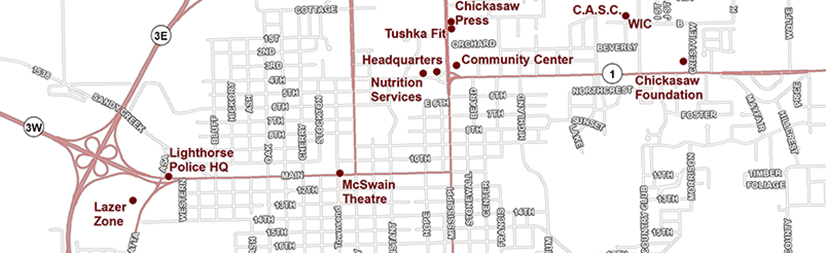
3115 East Arlington Street, Ada, OK 74820
Phone
580-332-6345 x83555Website
http://www.chickasaw.netPrimary Focus
Treatment Settings
Treatment Approaches
Special Programs
About Chickasaw Nation Hina Chokma
Chickasaw Nation Hina Chokma is a residential treatment center in Ada, Oklahoma, offering structured recovery support for individuals navigating addiction alongside co-occurring disorders and trauma. Operated under the Chickasaw Nation, the program serves a diverse range of populations including veterans, older adults, and court-ordered individuals, with financial assistance available to those who qualify.
Chickasaw Nation Hina Chokma is a residential addiction treatment center located at 1100 Colony Drive in Ada, Oklahoma, within Pontotoc County. Operating under the broader Chickasaw Nation behavioral health system — accessible at chickasaw.net/goodroad — this recovery center brings a tribally grounded perspective to residential care in southeastern Oklahoma. For individuals and families researching long-term recovery options in the Ada area, Hina Chokma represents a distinctive community-rooted resource.
The center provides residential treatment, a level of care that places individuals in a structured living environment fully dedicated to recovery. Residential treatment allows people to step away from the environments and circumstances connected to their substance use and engage fully in the work of rebuilding their lives. This immersive format is well suited for those who need more than outpatient support and are ready to commit to a sustained period of focused recovery work.
Clinically, the program incorporates Cognitive Behavioral Therapy (CBT) as a core therapeutic method. CBT is a well-regarded, skill-building approach that helps individuals identify the thought patterns and behaviors contributing to substance use, making it particularly valuable for residents who are also managing trauma, PTSD, or co-occurring mental health conditions — both of which are explicitly addressed within this program. The treatment approach is designed to meet the needs of people carrying layered diagnoses, not just a single presenting concern.
Hina Chokma serves a notably broad range of populations: veterans, seniors and older adults, men, individuals with HIV/AIDS support needs, those who are deaf or hard of hearing, and court-ordered participants. This range signals a program built to accommodate real-world complexity rather than a narrowly defined client profile. Financial assistance is available, reducing one of the most common barriers that prevent people from accessing residential care. For families and individuals in Ada, OK, and the surrounding region, this center offers a community-connected path into sustained recovery.
Residential Treatment in Ada, OK: A Community-Rooted Recovery Center
Chickasaw Nation Hina Chokma provides residential treatment for individuals in Ada, Oklahoma, and the surrounding Pontotoc County region. As part of the Chickasaw Nation's behavioral health network, the center carries a community orientation that distinguishes it from privately operated programs. Residential treatment here means living fully within a recovery-focused environment — removing the daily friction and triggers of outside life while building the skills and stability needed for lasting sobriety.
For families evaluating treatment options, residential care at Hina Chokma offers a defined commitment to recovery without the day-to-day interruptions that can slow progress in outpatient settings. The program's affiliation with the Chickasaw Nation also means it is embedded within a broader system of citizen and community support, which can matter significantly for individuals whose recovery is connected to cultural identity and belonging.
Treating Trauma, PTSD, and Co-Occurring Disorders in Residential Care
One of the defining features of Hina Chokma's residential program is its explicit treatment of trauma, PTSD, and co-occurring mental health disorders alongside addiction. For many people entering residential treatment, substance use is deeply intertwined with unresolved trauma or a diagnosed mental health condition. A program that addresses only the addiction — without the underlying co-occurring issues — leaves residents under-served and at higher risk of relapse after discharge.
Cognitive Behavioral Therapy (CBT) forms a core part of the clinical approach at Hina Chokma. CBT is particularly well-matched for dual diagnosis work: it builds practical coping skills, helps residents recognize the thought patterns driving harmful behaviors, and creates a structured framework for managing both mental health symptoms and substance use triggers. For veterans, older adults, and others who often carry complex trauma histories, this clinical foundation supports meaningful, durable recovery.
Who This Recovery Center Serves
Hina Chokma is designed to serve a wide range of individuals, and the confirmed populations reflect that breadth. The program specifically serves veterans, seniors and older adults, men, individuals with HIV/AIDS support needs, people who are deaf or hard of hearing, and those who are court-ordered into treatment. This diversity is not incidental — it reflects a program built with the infrastructure and clinical competency to support people whose recovery needs often go unmet at more generalized treatment centers.
For veterans entering residential treatment, the presence of peers with shared experiences can be a meaningful part of the recovery process. For older adults, who may face different physical and social dimensions of addiction, a program that explicitly includes them signals real accommodation rather than tokenism. Court-ordered participants benefit from a structured residential setting with professional clinical oversight, meeting both legal requirements and genuine therapeutic goals simultaneously.
Paying for Residential Treatment: Financial Assistance at Hina Chokma
Cost is one of the most frequently cited barriers to entering residential treatment, and Hina Chokma directly addresses this through available financial assistance. For individuals and families weighing their options in Ada, OK, knowing that financial support may be accessible changes the calculus of whether residential care is realistic. Interested individuals can reach the center directly at (580) 332-6345 or via email at [email protected] to learn more about financial assistance eligibility and the admissions process.
The center's website, chickasaw.net/goodroad, provides additional information about the broader Chickasaw Nation behavioral health programs and the Good Road initiative. Connecting early with the admissions team is the most direct way to understand what financial pathways are available for a given individual's situation.
Why Choose Chickasaw Nation Hina Chokma
- Tribally operated residential treatment center under the Chickasaw Nation, offering a community-rooted approach to long-term recovery in southeastern Oklahoma
- Explicitly treats co-occurring disorders and trauma/PTSD alongside substance use, making it a strong fit for individuals with layered diagnoses
- Serves a notably wide range of populations — including veterans, seniors, deaf and hard-of-hearing individuals, and court-ordered participants — within a single residential program
- Financial assistance is available, directly addressing cost as a barrier to accessing residential care
- Cognitive Behavioral Therapy (CBT) provides residents with practical, skill-focused tools that support recovery well beyond the residential stay
Frequently Asked Questions
What level of care does Chickasaw Nation Hina Chokma provide?
Hina Chokma provides residential treatment, which means individuals live on-site in a fully recovery-focused environment for the duration of their program. This level of care is designed for people who need sustained, immersive support rather than a part-time or outpatient structure. Residential treatment at Hina Chokma is distinct from brief detox — it is oriented toward longer-term recovery work.
Does Hina Chokma treat co-occurring mental health conditions alongside addiction?
Yes. The program explicitly addresses co-occurring disorders and dual diagnosis as part of its residential treatment services. Trauma and PTSD are also confirmed conditions treated at the center. This makes Hina Chokma a relevant option for individuals whose substance use is connected to underlying mental health challenges.
What therapeutic approach does the program use?
Cognitive Behavioral Therapy (CBT) is a confirmed therapeutic method used at Hina Chokma. CBT helps individuals identify and change the thought patterns and behaviors tied to substance use, and it is particularly effective in dual diagnosis and trauma-informed settings. It also equips residents with skills they can continue applying after leaving residential treatment.
Who is this residential program designed to serve?
Hina Chokma serves a broad range of populations including veterans, seniors and older adults, men, individuals with HIV/AIDS support needs, people who are deaf or hard of hearing, and court-ordered participants. This range reflects a program built to accommodate diverse needs within a single residential setting rather than serving only a narrow client profile.
Is financial assistance available for residential treatment at Hina Chokma?
Yes, financial assistance is a confirmed payment option at Chickasaw Nation Hina Chokma. For individuals concerned about the cost of residential treatment, reaching out directly to the center at (580) 332-6345 or [email protected] is the best way to learn about what financial support may be available for a specific situation.
Where is Chickasaw Nation Hina Chokma located?
The center is located at 1100 Colony Drive, Ada, Oklahoma 74820, in Pontotoc County. Ada is the primary service area for the program. More information about the Chickasaw Nation's behavioral health programs is available at chickasaw.net/goodroad.
Is Hina Chokma a good fit for veterans seeking residential addiction treatment?
Veterans are among the confirmed populations explicitly served by Hina Chokma. The program also treats trauma and PTSD and uses CBT — both clinically relevant for veterans navigating substance use connected to military service experiences. The residential format provides the sustained, structured environment that many veterans find supportive in early recovery.
Does the program accommodate individuals who are deaf or hard of hearing?
Yes, individuals who are deaf or hard of hearing are among the confirmed populations served at Hina Chokma. For specific accommodations and accessibility details, contacting the center directly at (580) 332-6345 or [email protected] is recommended.
How does Hina Chokma differ from a short-term detox program?
Hina Chokma offers residential treatment, which is a longer-term, immersive level of care focused on sustained recovery rather than acute withdrawal management. This makes the program more appropriate for individuals who have moved past the immediate crisis stage and are ready to engage in deeper recovery work, including addressing co-occurring disorders, trauma, and behavioral change through therapies like CBT.
How can I contact Chickasaw Nation Hina Chokma to learn more or begin the admissions process?
You can reach Hina Chokma by phone at (580) 332-6345 or by email at [email protected]. Additional information about the Chickasaw Nation's behavioral health and recovery programs is available at chickasaw.net/goodroad.
Nearby Treatment Centers
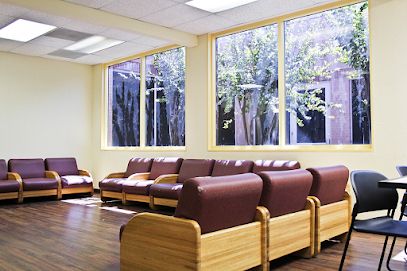
Rolling Hills Hospital
Ada, OK
- Detox
Substance use treatment · Does not use medication for opioid addiction · Cognitive behavioral therapy
Accepts: Cash or self-payment, Medicaid, Medicare
Lighthouse Behavioral Wellness Center
Ada, OK
- Outpatient
Substance use treatment · Does not treat opioid addiction · Cognitive behavioral therapy
Accepts: Cash or self-payment, Medicaid, State-financed health insurance plan other than Medicaid
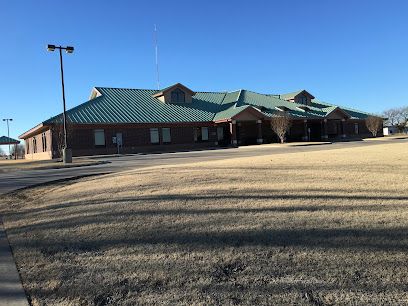
Unity Point Counsel and Resource Ctr
Ada, OK
- Outpatient
Substance use treatment · Does not use medication for opioid addiction · Cognitive behavioral therapy
Accepts: Cash or self-payment, Medicaid, Sliding fee scale

Clay Crossing Foundation Inc
Maud, OK
- Residential
Substance use treatment · Does not use medication for opioid addiction · Accepts clients on opioid medication but prescribed elsewhere
Accepts: Cash or self-payment, Private health insurance
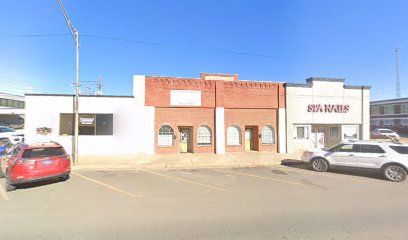
Oklahoma Families First Inc
Holdenville, OK
- Outpatient
Substance use treatment · Accepts clients on opioid medication but prescribed elsewhere · Cognitive behavioral therapy
Accepts: Cash or self-payment, Medicaid, State-financed health insurance plan other than Medicaid
Carl Albert Community Mental Health Center
Holdenville, OK
- Outpatient
- MAT
Substance use treatment · Cognitive behavioral therapy · Substance abuse counseling
Accepts: Cash or self-payment, Medicaid, Medicare