Carl Albert Community Mental Health Center
McAlester, OK
- Outpatient
- MAT
Substance use treatment · Cognitive behavioral therapy · Substance abuse counseling
Accepts: Cash or self-payment, Medicaid, Medicare


Find drug and alcohol rehab centers in McAlester, OK and start your recovery today.
7 centers found (1–7)
McAlester, OK
Substance use treatment · Cognitive behavioral therapy · Substance abuse counseling
Accepts: Cash or self-payment, Medicaid, Medicare
McAlester, OK
Substance use treatment · Does not treat opioid addiction · Cognitive behavioral therapy
Accepts: Cash or self-payment, Medicaid, State-financed health insurance plan other than Medicaid
McAlester, OK
Substance use treatment · Accepts clients on opioid medication but prescribed elsewhere · Cognitive behavioral therapy
Accepts: Cash or self-payment, Medicaid, Sliding fee scale
 0.5 mi
 McAlester, OK
Substance use treatment · Accepts clients on opioid medication but prescribed elsewhere · Cognitive behavioral therapy
Accepts: Cash or self-payment, Medicaid, Payment assistance
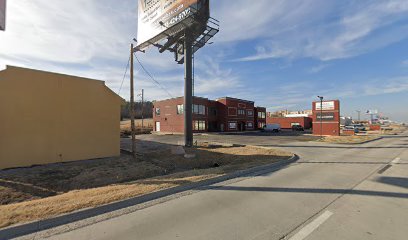 1.4 mi
 McAlester, OK
Substance use treatment · All Clients in Opioid Treatment Program · SAMHSA-certified Opioid Treatment Program
Accepts: Cash or self-payment, Medicaid, Medicare
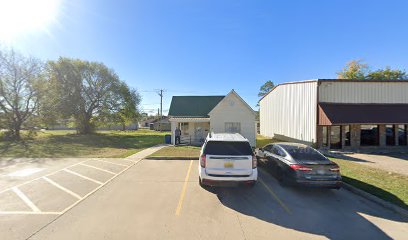 0.4 mi
 McAlester, OK
Substance use treatment · Does not treat opioid addiction · Cognitive behavioral therapy
Accepts: Cash or self-payment, Medicaid
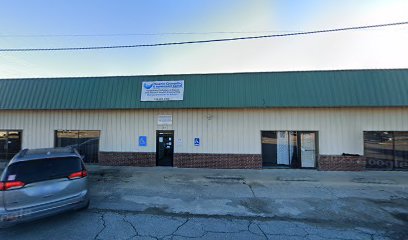 0.4 mi
 McAlester, OK
Substance use treatment · Does not treat opioid addiction · Cognitive behavioral therapy
Accepts: Cash or self-payment, Medicaid, State-financed health insurance plan other than Medicaid
Call our sponsored hotline to speak with someone about treatment options near you.
Sober Nation lists 7 treatment centers in McAlester, Oklahoma. The city is located in southeastern Oklahoma, in a region defined by its coal mining heritage and industrial economy. McAlester residents seeking addiction recovery can find multiple treatment programs that provide counseling, therapy, outpatient services, and support for sustained recovery. For those exploring options in larger nearby cities, Oklahoma City (32 centers) and Tulsa (21 centers) also have extensive networks.
All 7 treatment centers in McAlester provide outpatient and regular outpatient treatment services. This format allows you to attend appointments at a clinic while maintaining your home and work life. Every center also offers a consistent core of evidence-based services:
All 7 centers treat both men and women. Services you may want to ask about include medication-assisted treatment (such as buprenorphine, methadone, or naltrexone for opioid or alcohol use), residential inpatient programs, intensive outpatient programs (IOP), medical detoxification, sober living facilities, and telehealth sessions. These options may be available through some centers; confirm directly with listings to find a match.
Cost is often the biggest barrier to seeking treatment. All 7 centers in McAlester accept Medicaid, and all accept cash or self-payment, which gives you flexibility regardless of your insurance status.
If you use Medicaid or qualify for it, all 7 centers are covered. For specific information about how Oklahoma's Medicaid program covers addiction treatment, including eligibility requirements and any state-specific programs, consult the Oklahoma rehab guide. Many people are surprised to learn they qualify for Medicaid and may be eligible for months of covered treatment.
If you're paying out of pocket, ask about sliding scale fees based on income or payment plans that allow you to pay in installments. Every center also provides case management, which connects you with resources for housing, employment, and other needs that support recovery.
McAlester's 7 centers offer a solid range of services, but you may want to explore options in nearby cities to find the best fit. Several regional centers have substantially more programs:
Many people travel to another Oklahoma city for intensive inpatient treatment or to attend a program that specifically addresses their needs. Others start with local outpatient services and move to a regional center if they need more intensive care.
Telehealth is a third option. Some centers offer remote counseling and therapy via phone or video, which eliminates travel barriers entirely. When you contact a center, ask whether they provide telehealth services and whether your insurance or payment method covers remote sessions.